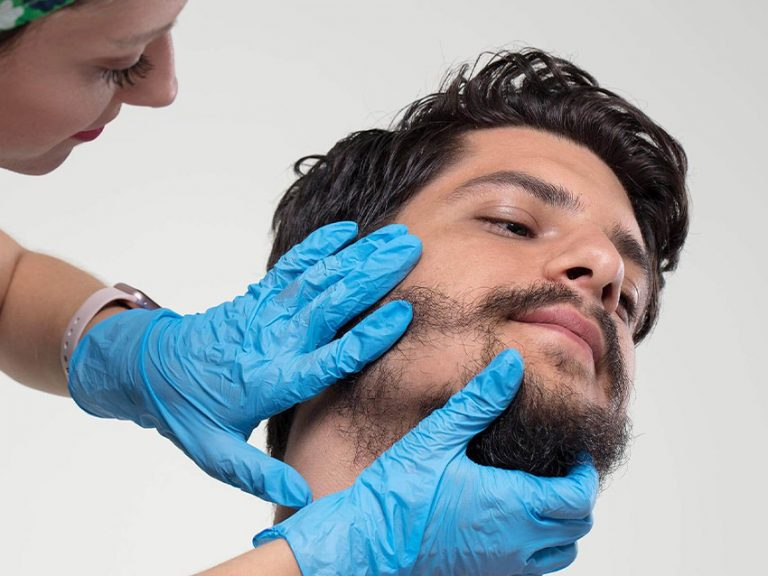
Common Side Effects of Beard Hair Transplant and How to Handle Them
A thick, well-shaped beard is a symbol of masculinity and confidence, but not everyone is naturally blessed with dense facial hair. For men seeking a fuller beard, a Beard hair transplant in Islamabad is an effective solution. While the procedure is generally safe and delivers impressive results, it is important to be aware of potential side effects that may occur during the recovery period. Knowing these side effects and understanding how to manage them can make the healing process smoother and ensure the best possible outcome.
Understanding Beard Hair Transplant
A beard hair transplant is a cosmetic procedure in which hair follicles are harvested from a donor area, typically the scalp, and implanted into areas of the face that have sparse or no facial hair. Techniques such as Follicular Unit Extraction (FUE) or Follicular Unit Transplantation (FUT) are commonly used. Though minimally invasive, the procedure involves creating tiny incisions in the skin, which naturally causes some temporary side effects. Most of these effects are mild and resolve with proper care.
Common Side Effects of Beard Hair Transplant
1. Swelling
Swelling is one of the most common side effects after a beard hair transplant. It usually appears on the face, jaw, and sometimes around the eyes. Swelling is the body’s natural response to surgical trauma and generally peaks within 2–3 days after the procedure.
How to Handle Swelling:
-
Keep your head elevated while sleeping for the first few nights.
-
Apply cold compresses carefully, avoiding direct pressure on the transplanted area.
-
Follow your surgeon’s instructions regarding anti-inflammatory medications.
2. Redness and Irritation
Redness and mild irritation at the transplant site are normal, especially in the first week. The tiny incisions can cause the skin to feel sensitive and warm.
How to Handle Redness:
-
Avoid scratching or rubbing the transplanted area.
-
Use prescribed ointments or gentle moisturizers recommended by your surgeon.
-
Protect your face from direct sunlight, as UV exposure can worsen redness.
3. Scabbing
Scabs form around the newly implanted hair follicles as part of the natural healing process. They protect the follicles and help prevent infection, but picking at them can cause problems.
How to Handle Scabbing:
-
Allow scabs to fall off naturally; do not pick or scratch them.
-
Keep the area clean using mild, surgeon-recommended solutions.
-
Avoid applying heavy creams or chemicals that may soften or dislodge the scabs.
4. Mild Pain or Discomfort
Some discomfort or mild pain is expected for a few days following a beard hair transplant. Pain levels vary from person to person and usually subside within a week.
How to Handle Pain:
-
Take prescribed pain medications as directed by your surgeon.
-
Avoid pressing or massaging the transplanted area.
-
Gentle cold compresses can help reduce pain and swelling.
5. Numbness or Tingling
Temporary numbness or tingling around the donor or recipient area may occur due to minor nerve irritation during the procedure. This usually resolves within a few weeks.
How to Handle Numbness:
-
Avoid aggressive facial exercises or massage during the healing period.
-
Consult your surgeon if numbness persists beyond the expected recovery period.
6. Itching
As the transplanted hair follicles begin to settle, itching may occur. This is a sign that the skin is healing, but excessive scratching can dislodge grafts.
How to Handle Itching:
-
Gently tap the area if it itches, rather than scratching.
-
Apply any recommended ointments to soothe the skin.
-
Keep your hands away from the transplanted area to avoid infection.
7. Shock Loss
Shock loss is a temporary shedding of the transplanted hair or surrounding existing hair. It typically occurs within the first few weeks and is a normal part of the hair growth cycle.
How to Handle Shock Loss:
-
Be patient; the hair usually regrows within a few months.
-
Follow a proper post-operative care routine to protect the follicles.
-
Avoid harsh chemicals or treatments during the early healing phase.
Tips for Managing Side Effects Effectively
-
Follow Post-Operative Instructions: Your surgeon will provide a detailed care plan that includes washing, moisturizing, and protecting the transplant site. Following these instructions is essential for smooth recovery.
-
Maintain Hygiene: Keep the transplant area clean and avoid exposing it to dirt or bacteria. This reduces the risk of infection and helps prevent excessive irritation.
-
Avoid Smoking and Alcohol: Both smoking and alcohol slow down the healing process and may worsen side effects. Avoid these for at least a few weeks after your procedure.
-
Eat a Balanced Diet: Proper nutrition supports healing. Foods rich in vitamins, minerals, and proteins help repair tissues and promote healthy hair growth.
-
Use Prescribed Medications: If your surgeon prescribes antibiotics, anti-inflammatories, or topical solutions, use them exactly as directed to prevent complications.
-
Avoid Physical Strain: Refrain from heavy exercise or activities that may cause sweating or pressure on the transplant area during the initial healing period.
When to Consult Your Surgeon
While most side effects are temporary and mild, it is important to contact your surgeon if you experience:
-
Excessive redness or swelling
-
Pus or unusual discharge from the transplant site
-
Severe or prolonged pain
-
Persistent numbness or tingling
-
Any signs of infection
Early intervention can prevent minor issues from developing into serious complications and ensures the long-term success of your beard transplant.
Conclusion
A Beard hair transplant in Islamabad can dramatically enhance your appearance and confidence, but being aware of potential side effects and knowing how to handle them is essential for optimal results. Swelling, redness, scabbing, mild pain, itching, and temporary numbness are common after the procedure, but with proper care, these effects can be effectively managed. Following your surgeon’s instructions, maintaining hygiene, avoiding harmful habits, and monitoring your recovery are key steps toward a successful outcome.
For professional care and guidance, trust the experts at Dynamic Aesthetic Clinic. Their experienced team ensures that your beard hair transplant heals smoothly and provides natural, long-lasting results with minimal side effects.





Post Comment