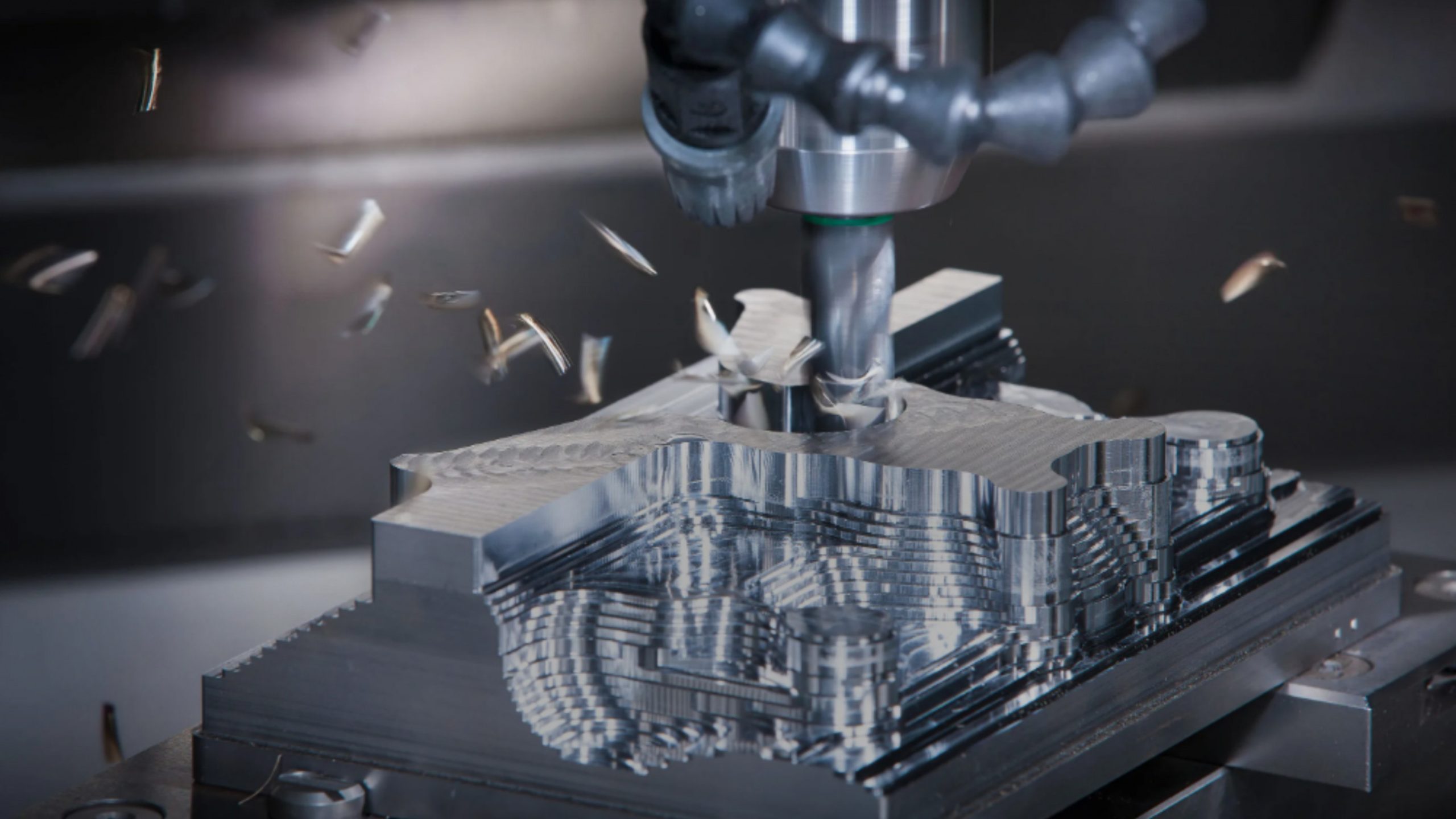
CNC Machining – Driving Precision and Innovation in Manufacturing
In today’s competitive manufacturing world, precision, speed, and reliability are critical. Industries ranging from aerospace and automotive to healthcare and electronics demand parts that meet exact specifications. This is where CNC machining comes in. By blending computer technology with advanced machining tools, it enables manufacturers to achieve consistency, reduce waste, and produce complex parts with ease. From small prototypes to large production runs, CNC has become an essential tool that guarantees quality and efficiency. Its adaptability makes it the backbone of modern manufacturing across multiple industries.
1. Understanding CNC Machining
1.1 What CNC Machining Involves
CNC, or Computer Numerical Control, uses computer programs to control machining tools such as mills, lathes, and grinders. Unlike manual machining, CNC removes the possibility of human error by relying on exact coding. This results in a process that is highly accurate, efficient, and repeatable, ensuring each part is identical to the design.
1.2 Types of CNC Processes
CNC machining covers a range of operations. Milling is used for creating detailed shapes and surfaces. Turning is ideal for cylindrical parts like shafts and pipes. Grinding produces smooth finishes for precision components, while drilling and routing provide accuracy in holes and cutouts. This versatility allows CNC to handle metals, plastics, ceramics, and composites, making it suitable for nearly any manufacturing requirement.
2. Industrial Applications of CNC
2.1 Aerospace and Automotive
The aerospace sector relies on parts that can withstand extreme heat, stress, and pressure. CNC machining ensures turbine blades, engine housings, and landing gear components are manufactured with absolute precision. In the automotive industry, CNC produces critical parts such as engine blocks, gears, and transmission systems, all while maintaining consistency across mass production.
2.2 Healthcare and Electronics
CNC machining is vital in healthcare, where precision saves lives. From surgical instruments to orthopedic implants, every part must meet strict regulatory standards. Electronics also benefit from CNC through the production of intricate casings, connectors, and cooling systems that demand micro-level accuracy. This adaptability highlights CNC’s role in shaping both life-saving devices and consumer products.
3. Benefits and Future of CNC Technology
3.1 Key Benefits for Manufacturers
One of the greatest advantages of CNC machining is its ability to provide uniformity at scale. Businesses can produce thousands of identical parts with minimal deviation. It reduces material waste, accelerates turnaround time, and enables manufacturers to take on complex projects that would be impossible with manual techniques.
3.2 Future Innovations in CNC
CNC machining continues to evolve alongside Industry 4.0 technologies. The integration of AI, IoT, and automation is creating smart factories that predict tool wear, optimize workflows, and reduce downtime. Hybrid systems that combine CNC with additive manufacturing (3D printing) are emerging, offering both subtractive precision and additive flexibility. This forward movement ensures CNC will remain a driving force in manufacturing innovation.
MYT Machining – A Reliable CNC Partner
Finding the right partner is essential for unlocking the full potential of CNC technology. MYT Machining stands out by offering customized machining services that blend expertise with advanced equipment. Their dedication to precision, efficiency, and customer satisfaction has made them a trusted provider across industries. Whether you require prototypes, custom components, or high-volume production, MYT delivers solutions tailored to your specific needs.
Conclusion
The growth of advanced industries has created a greater demand for accuracy, speed, and reliability in production. CNC machining offers all these qualities, ensuring companies stay ahead in competitive markets. From aerospace and healthcare to automotive and electronics, CNC remains the foundation of innovation and efficiency. As technology continues to advance, its role will only expand, providing smarter, faster, and more sustainable manufacturing solutions.








Post Comment