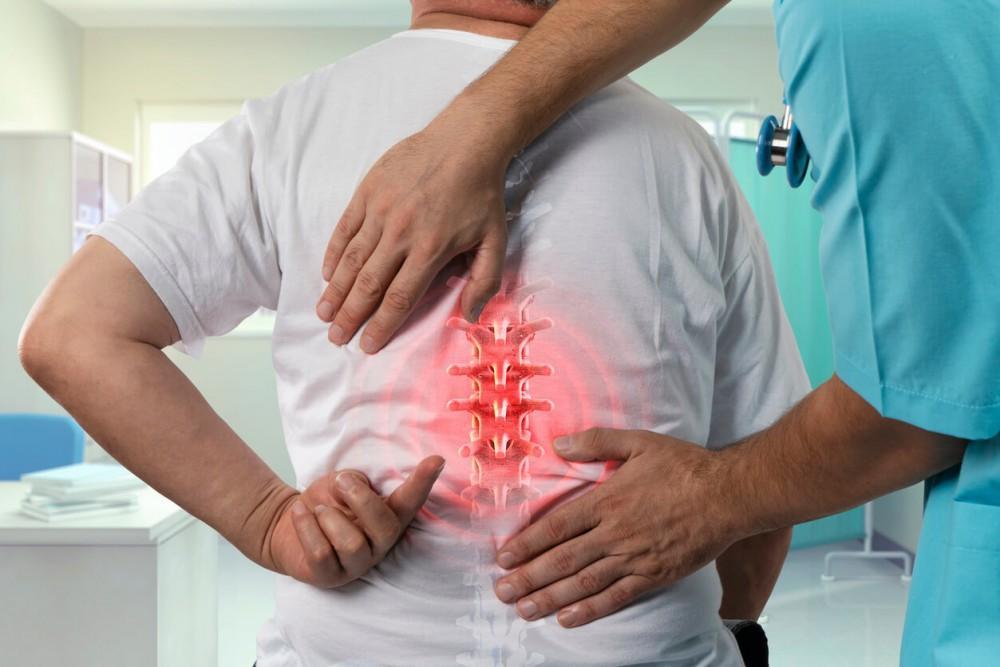
Can a Spinal Cord Stimulator Help Your Pain? Here’s What It Treats
If you’ve been living with chronic pain that hasn’t responded to medications, physical therapy, or even surgery, you’re not alone—and you’re not out of options. One of the most advanced treatments available today is Spinal Cord Stimulation (SCS). At the Neurology and Pain Management Clinic (NPMC) in Delhi, Dr. Gautam Arora specializes in using this cutting-edge therapy to help patients regain control of their lives.
But what exactly does a spinal cord stimulator treat? And how do you know if it’s right for your condition?
What Is a Spinal Cord Stimulator?
A spinal cord stimulator is a small, implantable device that delivers mild electrical pulses to the spinal cord. These pulses interfere with pain signals before they reach the brain, reducing the sensation of pain. Instead of pain, patients may feel a mild tingling or no sensation at all, depending on the type of device used.
SCS is minimally invasive, customizable, reversible, and most importantly, drug-free—making it an excellent option for long-term pain relief.
Conditions Treated by Spinal Cord Stimulation
Spinal cord stimulation is typically used for chronic pain that has not responded to other treatments. Some of the most common conditions treated with SCS include:
1. Failed Back Surgery Syndrome (FBSS)
Even after spine surgery, some patients continue to experience debilitating pain. SCS is especially effective in cases where the surgery didn’t alleviate the problem or led to scar tissue that’s now causing nerve pain.
2. Chronic Back and Leg Pain (Radiculopathy or Sciatica)
If nerve roots in the spine are compressed or inflamed, it can result in pain radiating down the legs. SCS helps block these pain signals and offers long-term relief.
3. Complex Regional Pain Syndrome (CRPS)
This is a chronic pain condition that often affects the arms or legs after an injury or surgery. It causes severe burning pain, sensitivity, and swelling. SCS is one of the most effective treatments for CRPS.
4. Peripheral Neuropathy
Diabetes and other conditions can lead to nerve damage in the hands and feet. For some patients, spinal cord stimulation helps reduce the burning, tingling, or stabbing sensations associated with neuropathy.
5. Spinal Stenosis
When the spinal canal narrows, it can compress nerves and cause chronic pain. If conservative treatments don’t work, SCS may offer a solution.
Is It Right for You?
Before the permanent device is implanted, a trial stimulation is performed to see if SCS will effectively manage your pain. If you experience significant relief during the trial, a permanent stimulator can be placed.
Trust Expert Care at NPMC
At NPMC, Dr. Gautam Arora provides personalized evaluation and advanced pain management strategies, including spinal cord stimulation. If you’ve tried everything else without relief, SCS could be the next step toward a pain-free life. Book your consultation today and explore how this breakthrough treatment can help you reclaim your life.







Post Comment