Boost Farm Efficiency with PIT Tag Readers – The Future of Livestock Management
Introduction
In today’s fast-evolving agricultural landscape, precision and efficiency are key to successful livestock management. One groundbreaking technology transforming the industry is the PIT (Passive Integrated Transponder) tag reader. These advanced systems enable farmers to track, monitor, and manage livestock with unprecedented accuracy, improving productivity, health monitoring, and regulatory compliance.
This article explores how PIT tag readers work, their benefits, real-world applications, and why they are becoming indispensable in modern farming.
What Are PIT Tag Readers?
A PIT tag reader is a device used to scan RFID (Radio Frequency Identification) tags implanted in or attached to livestock. These tags contain a unique identification number that can be read wirelessly, allowing farmers to track individual animals efficiently.
How Do PIT Tag Readers Work?
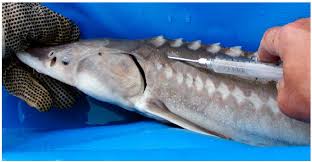
- Tag Implantation: A small, biocompatible RFID tag is injected under the animal’s skin (usually near the ear or shoulder).
- Data Transmission: When scanned by a PIT tag reader, the tag emits a radio signal containing the animal’s unique ID.
- Data Integration: The ID is linked to a database storing health records, breeding history, and movement logs.
This seamless process eliminates manual record-keeping errors and enhances traceability.
Key Benefits of Using PIT Tag Readers in Livestock Management
1. Enhanced Traceability & Compliance
Government regulations (like the USDA’s Animal Disease Traceability Framework) require livestock identification for disease control. PIT readers ensure compliance by providing:
- Accurate record-keeping
- Quick disease outbreak tracking
- Export/import documentation support
2. Improved Animal Health Monitoring
By integrating PIT tags with farm management software, farmers can:
- Track vaccination schedules
- Monitor weight gain and growth rates
- Detect illnesses early through behavioral changes
3. Efficient Breeding & Genetic Management
- Identify high-performing animals for selective breeding
- Track lineage to prevent inbreeding
- Optimize herd genetics for better yields
4. Labor & Cost Savings
- Reduces manual data entry errors
- Speeds up inventory checks
- Minimizes losses from theft or misidentification
5. Better Meat & Dairy Supply Chain Transparency
Consumers demand ethically sourced products. A tag readers enable:
- Farm-to-fork traceability
- Certification compliance (organic, non-GMO, etc.)
- Improved brand trust
Real-World Applications of PIT Tag Readers
1. Dairy Farming
Dairy farms use PIT tags to:
- Monitor milk production per cow
- Track estrus cycles for optimal breeding
- Ensure proper nutrition and health checks
Example: A study by the University of Wisconsin-Madison found that RFID-tracked herds saw a 12% increase in milk yield due to better health monitoring.
2. Beef Cattle Management
- Track grazing patterns
- Monitor feed efficiency
- Ensure compliance with export regulations
3. Swine & Poultry Farming
- Manage large populations efficiently
- Prevent disease spread in confined spaces
- Optimize feed conversion ratios
4. Sheep & Goat Farming
- Improve breeding programs
- Track wool/milk production
- Enhance predator loss prevention
Choosing the Right PIT Tag Reader for Your Farm
When selecting a tag reader, consider:
1. Frequency Type
- Low Frequency (LF) (125-134 kHz): Best for livestock (better penetration through tissue).
- High Frequency (HF) (13.56 MHz): Used in inventory management (shorter range).
2. Read Range & Durability
- Handheld readers: Portable but limited range.
- Fixed readers: Ideal for chokepoints (e.g., milking parlors).
3. Software Integration
Ensure compatibility with farm management systems like:
- FarmWise
- AgriWebb
- Herdwatch
4. Cost & ROI
- Basic handheld readers: $200-$500
- Advanced systems with software: $1,000-$5,000+
- ROI: Most farms recover costs within 1-2 years via efficiency gains.
Future Trends in Livestock RFID Technology
- Smart Collars & IoT Integration – Combining PIT tags with GPS and health sensors.
- Blockchain for Supply Chains – Immutable records for meat and dairy exports.
- AI-Powered Analytics – Predictive health insights using machine learning.
Conclusion
The adoption of tag readers in livestock management is no longer optional—it’s a necessity for modern, efficient, and compliant farming. From improving animal welfare to boosting profitability, this technology offers unparalleled advantages.








Post Comment