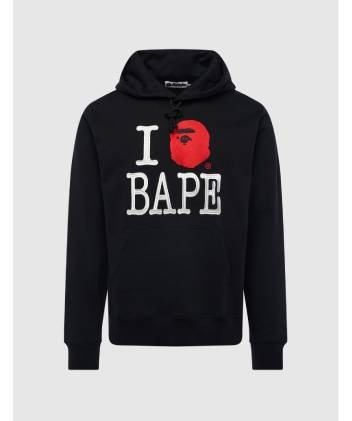
Beautiful Bape Clothing – A Complete Guide to the Iconic Streetwear Brand
Introduction to Bape Clothing
Streetwear has gone from being an underground culture to dominating global fashion runways, and one brand that has played a pivotal role in this transformation is Bape (A Bathing Ape). When we talk about Bape clothing, we’re not just discussing fashion pieces; we’re exploring an entire lifestyle that merges art, music, and urban culture into wearable statements. From its roots in Tokyo’s Harajuku district to being embraced by global icons like Pharrell Williams, Kanye West, and Travis Scott, Bape has consistently defined what it means to be “cool” in the fashion world.
Bape was founded in 1993 by Japanese designer Nigo (Tomoaki Nagao), who was inspired by hip-hop culture, sneaker obsession, and the unique street aesthetics of Tokyo. His vision was simple yet powerful: create bold, distinctive clothing that speaks to individuality and creativity. Over the years, Bape has managed to retain its exclusivity while reaching a global audience—a balance most brands struggle to maintain.
Think of Bape clothing as the intersection of art and rebellion. It’s not just about wearing a hoodie or a pair of sneakers; it’s about being part of a global community that values originality. When you wear Bape, you’re not just dressing up—you’re making a statement about who you are and what culture you belong to.
What Makes Bape Clothing Unique?
Bape clothing has always stood out in the crowded streetwear market, and for good reason. Unlike other brands that blend into trends, Bape creates its own fashion language. Its uniqueness lies in three main aspects: design, culture, and collaborations.
Signature Bape Designs and Logos
The Bape camouflage print is instantly recognizable, often in bright, unconventional colors that defy traditional camo patterns. Another signature is the Shark Hoodie, which features a shark face across the hood that zips all the way up. These bold designs have become symbols of streetwear prestige. Even the Ape Head logo, simple yet striking, has become a cultural icon.
The Influence of Japanese Street Culture
Tokyo street culture in the 1990s was experimental, vibrant, and unapologetically bold. Nigo infused this spirit into Bape, making it a direct reflection of Japan’s rebellious youth. Unlike Western fashion houses that leaned toward minimalism, Bape embraced maximalism—loud graphics, oversized fits, and playful designs.
Collaboration with Global Brands
What truly sets Bape apart is its collaboration game. From Marvel Comics to Pepsi, from Adidas to Supreme, Bape has partnered with some of the world’s biggest names. These collaborations not only expand Bape’s influence but also keep the brand fresh and relevant. Each collab is treated as a collectible, driving hype and exclusivity.
Ultimately, Bape clothing is unique because it combines art, identity, and culture into wearable fashion. It’s not just clothing—it’s a badge of honor in the streetwear community.
The Evolution of Bape Clothing Over the Years
Bape’s journey from a small Tokyo shop to a global streetwear powerhouse is nothing short of fascinating.
Early Years and Japanese Influence
In its early days, Bape was highly exclusive—Nigo only produced about 50 pieces a week, making the brand incredibly rare. This scarcity created a cult-like following among Japanese youth who wanted something unique and unattainable.
International Expansion and Popularity in the U.S.
The early 2000s marked Bape’s expansion into the U.S., largely fueled by hip-hop culture. Rappers like Jay-Z, Kanye West, and Pharrell Williams showcased Bape clothing, especially Bapestas (sneakers inspired by Nike’s Air Force 1). This catapulted Bape into the mainstream and made it synonymous with luxury streetwear.
Bape’s Role in Modern Streetwear
Today, Bape stands as one of the pillars of global streetwear, alongside Supreme, Off-White, and Palace. While many brands chase fleeting trends, Bape continues to innovate while holding onto its original DNA. Its shark hoodies, camo prints, and playful designs are as relevant today as they were 20 years ago.
Bape has managed to stay timeless by blending nostalgia with innovation, making it both a heritage brand and a forward-looking streetwear leader.
Popular Bape Clothing Collections
When we talk about Bape, certain collections immediately come to mind—those that have become symbols of streetwear culture.
Bape Shark Hoodies – A Streetwear Icon
The Shark Hoodie is perhaps Bape’s most legendary piece. With its full-zip hood that features shark teeth and eyes, it’s a bold statement piece that can be spotted from across the street. This hoodie represents everything Bape stands for—playfulness, boldness, and individuality.
Bape Camo Jackets and Pants
The Bape camouflage collection redefined camo prints. Instead of muted greens and browns, Bape introduced vibrant pinks, blues, purples, and reds. These camo jackets and pants became signature streetwear staples and a favorite among celebrities and sneakerheads.
Limited Edition Bape Sneakers and Footwear
The Bapesta sneaker, inspired by Nike’s Air Force 1, became an instant classic. Its star logo design, glossy patent leather, and bold colorways turned it into one of the most sought-after sneakers of the 2000s. Today, Bapestas remain a must-have for sneaker collectors, with limited releases selling out instantly.
Each Bape collection carries a sense of exclusivity, making it not just fashion, but collectible art for streetwear enthusiasts.
How to Style Bape Clothing for Any Occasion
Bape clothing is versatile—whether you’re dressing for a casual day out, a music festival, or even a semi-formal street-luxury look, there’s a way to rock it.
Casual Everyday Streetwear Looks
Pair a Bape hoodie with jeans and sneakers for a simple yet powerful streetwear vibe. Adding a Bapesta sneaker instantly elevates the look.
Mixing Bape with Luxury Fashion
Bape isn’t just for casual wear—it can be mixed with luxury brands like Gucci or Louis Vuitton for a high-fashion streetwear look. Celebrities often combine Bape hoodies with designer sneakers and accessories to create a balance of casual and luxury.
Seasonal Styling with Bape Pieces
-
Summer: Bape shorts and graphic tees paired with sneakers.
-
Winter: Bape camo jackets layered with hoodies.
-
Fall: Bape sweatshirts with joggers for cozy streetwear vibes.
Styling Bape is all about confidence and creativity. The brand’s bold designs demand attention, so don’t be afraid to stand out.
Bape Collaborations with Celebrities and Artists
One of the biggest reasons Bape has achieved cult-like status in the fashion world is its strong connection with music, art, and celebrity culture. Unlike traditional fashion houses that rely mainly on runway shows, Bape has leveraged cultural influencers to spread its message and style across the globe.
Hip-Hop and Rap Influence on Bape Popularity
When hip-hop culture embraced Bape, the brand skyrocketed in popularity. Icons like Kanye West, Pharrell Williams, and Lil Wayne were often seen rocking Bape hoodies and sneakers. This wasn’t just a fashion choice; it was a cultural stamp of approval. Bape became synonymous with hip-hop’s flashy, bold, and unapologetic style.
The connection between Bape and rap culture is deep-rooted. Hip-hop has always been about individuality, expression, and breaking norms, and Bape’s bold designs matched perfectly with that ethos. Music videos, concerts, and even lyrics featured Bape, making it more than clothing—it became a part of hip-hop’s identity.
Famous Bape Collabs with Brands like Adidas, Nike, and Supreme
Bape’s collaborations are legendary. Some of the most famous include:
-
Bape x Adidas: Known for iconic camo sneakers.
-
Bape x Nike (via Bapesta): Although unofficial, Bapestas mirrored Nike Air Force 1s but with their unique flair.
-
Bape x Supreme: A collaboration that united two of the most powerful streetwear forces in history.
These collaborations not only increased Bape’s visibility but also elevated it into a luxury streetwear category, where owning a piece feels like holding a collectible.
The Role of Influencers in Bape’s Success
In today’s world, influencers drive trends, and Bape has thrived on this. From Instagram celebrities to YouTube sneakerheads, Bape continues to dominate social media platforms. Every time a major influencer drops a photo wearing Bape, demand skyrockets.
In short, Bape isn’t just worn—it’s endorsed, celebrated, and immortalized by cultural icons, making it a living part of global pop culture.
Bape Clothing Quality and Craftsmanship
Beyond the hype and celebrity endorsements, one of the key reasons Bape has remained relevant for decades is its commitment to quality. Unlike fast fashion brands that mass-produce clothing, Bape focuses on exclusivity and durability.
Materials Used in Bape Apparel
Bape clothing is often made from high-quality cotton, premium fleece, and durable fabrics that are built to last. Even their sneakers are made with attention to detail, using strong stitching and premium leather. This level of craftsmanship ensures that a Bape hoodie or jacket doesn’t just look good—it feels good and holds up over years of wear.
Durability and Long-Term Value
Bape is not cheap, but the investment pays off. The clothing is designed to withstand regular use without losing its shape or vibrancy. Many collectors note that even after years, their Bape camo hoodies and jackets remain in great condition.
This durability gives Bape a resale value that few other brands can match. Limited edition pieces often appreciate in price over time, making them fashion investments.
How Bape Maintains its Luxury Streetwear Status
Bape balances exclusivity and accessibility by producing limited quantities of new releases. This scarcity keeps demand high while ensuring that Bape never becomes oversaturated like fast fashion brands. Their focus on craftsmanship, exclusivity, and innovation secures their spot in the world of luxury streetwear.
Simply put, when you buy Bape, you’re not just buying clothing—you’re buying into quality and legacy.
How to Spot Real vs Fake Bape Clothing
With great popularity comes imitation. Fake Bape clothing floods the market, making it challenging for buyers to distinguish real from counterfeit. Thankfully, there are several ways to spot authentic Bape apparel.
Checking Tags, Stitching, and Packaging
-
Tags: Authentic Bape items have detailed care labels with clear, sharp text. Fake ones often have blurry print or incorrect logos.
-
Stitching: Bape’s craftsmanship is top-notch—clean lines, no loose threads. Counterfeits usually have messy stitching.
-
Packaging: Real Bape products come in branded zip bags with the Ape Head logo, often with warning text like “Ape Shall Never Kill Ape.”
Trusted Retailers and Online Stores
To avoid scams, always buy from:
-
Official Bape stores
-
Authorized retailers like END Clothing, Farfetch, or SSENSE
-
Trusted resale platforms like StockX or Grailed
These sources authenticate their items, reducing the risk of fakes.
Avoiding Common Scams
Beware of suspiciously low prices. If someone is selling a “new Bape hoodie” for $50, it’s almost certainly fake. Bape rarely discounts its products. Also, look out for sellers with little history or no authenticity guarantees.
Buying Bape is about more than just owning clothes—it’s about owning authentic culture. That’s why spotting real vs fake is so important for true streetwear fans.
Where to Buy Authentic Bape Clothing
Now that you know how to spot fakes, the next step is knowing where to shop for authentic Bape clothing.
Official Bape Stores Worldwide
Bape operates flagship stores in major cities like Tokyo, New York, London, and Hong Kong. These stores often feature exclusive drops and special-edition collections you won’t find elsewhere. Shopping in-store guarantees authenticity while giving you access to the latest releases.
Online Platforms for Bape Apparel
If you can’t make it to a flagship store, online shopping is your best bet. Reliable platforms include:
-
Bape’s official website
-
Farfetch
-
END Clothing
-
SSENSE
These platforms offer worldwide shipping and authenticate all products.
Secondhand Marketplaces and Resale Culture
Streetwear thrives on resale culture, and Bape is a major player. Websites like Grailed, StockX, and GOAT specialize in secondhand and limited-edition Bape pieces. While prices can be high, resale platforms allow collectors to find rare gems long after they’ve sold out in stores.
When buying resale, always check seller ratings, reviews, and authentication guarantees to avoid counterfeits.
Buying authentic Bape isn’t just shopping—it’s an experience, a way to connect with the brand’s culture and history.
The Future of Bape Clothing in Streetwear
As fashion continues to evolve, so does Bape. While some brands fade after their peak, Bape has managed to stay relevant for over three decades. But what does the future hold for this iconic brand?
Bape’s Growing Global Reach
With stores opening across Europe, the U.S., and Asia, Bape continues to expand its global footprint. The brand is no longer limited to Japan; it has become a worldwide streetwear leader.
Sustainability and Ethical Production in Streetwear
As consumers demand more eco-friendly practices, Bape is expected to adopt sustainable materials and ethical production methods. Given its influence, Bape could lead the way in sustainable streetwear without losing its bold style.
Upcoming Bape Trends
Bape’s future will likely focus on:
-
Techwear influences with functional, futuristic designs.
-
More luxury collaborations with high-end fashion houses.
-
Digital fashion presence, including NFTs and virtual wearables.
With its mix of tradition and innovation, Bape is set to remain a pioneer of global streetwear for years to come. Shop Now








Post Comment