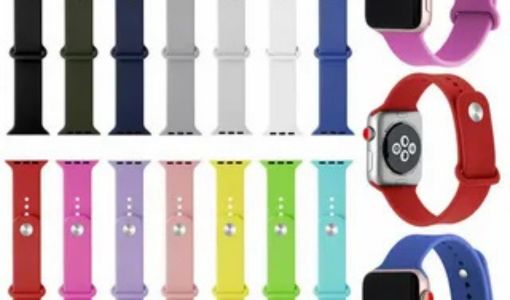
Are Silicone Apple Watch Bands Good for Sensitive Skin?
When it comes to selecting a watch band, comfort and skin compatibility are crucial—especially for those with sensitive skin. One popular choice among Apple Watch users is silicone bands, known for their flexibility, durability, and sporty design. But are silicone Apple Watch bands a safe and smart option for individuals prone to skin irritation? In this article, we’ll explore the benefits and possible drawbacks of silicone bands for sensitive skin, along with tips for keeping your wrist rash-free.
Why Silicone Is a Popular Band Material
Silicone is a synthetic rubber-like material widely used in medical, culinary, and wearable products due to its durability, flexibility, and non-porous nature. For Apple Watches, silicone bands offer several key advantages:
- Water-Resistant: Perfect for workouts, swimming, or rainy days.
- Lightweight and Flexible: Ideal for all-day wear without feeling bulky.
- Easy to Clean: Dirt and sweat can be wiped off with a damp cloth.
These features make silicone Apple Watch bands an appealing option for anyone who wants a low-maintenance, comfortable band—particularly those with an active lifestyle.
Are Silicone Apple Watch Bands Hypoallergenic?
One of the biggest questions for sensitive skin sufferers is whether silicone is hypoallergenic. Generally, medical-grade and high-quality silicone is considered hypoallergenic. This means it’s less likely to cause allergic reactions compared to materials like nickel or certain leathers.
However, not all silicone bands are made equal. Cheaper alternatives or third-party brands may use fillers or lower-grade silicone, which can cause skin irritation. If you have sensitive skin, opt for Apple’s original silicone bands or reputable third-party brands that advertise skin-safe materials.
Common Skin Reactions and Their Causes
Even though silicone is often skin-friendly, some users still report redness, itching, or rashes. Let’s break down why that might happen:
- Sweat and Moisture Build-Up: Silicone is non-breathable. When worn tightly, especially during exercise, sweat and moisture can get trapped under the band, leading to skin irritation.
- Dirty Bands: Silicone bands can attract dust, oils, and bacteria. Wearing a dirty band for extended periods can clog pores and result in rashes or breakouts.
- Chemical Sensitivities: Some people are more reactive to the chemicals used in the coloring or processing of the silicone.
- Tight Fit: Wearing the band too snugly restricts airflow, increases friction, and encourages irritation.
While these issues aren’t specific to silicone Apple Watch bands, the material’s water-resistant and snug-fitting nature can make them more noticeable in sensitive individuals.
How to Choose the Right Silicone Apple Watch Band for Sensitive Skin
If you’re considering a silicone band and have skin sensitivities, here are a few tips to reduce your chances of irritation:
- Buy from Reputable Sources: Stick with Apple or trusted third-party manufacturers that disclose their materials and quality standards.
- Check for Medical-Grade Silicone: This is less likely to cause allergic reactions.
- Opt for Breathable Designs: Some bands feature perforated holes or woven patterns for increased airflow.
- Adjust the Fit Properly: Your band should be secure but not overly tight. Leave enough room to allow your skin to breathe.
- Rotate Bands: Alternate between different band materials like nylon or leather to give your skin a break.
By selecting high-quality silicone Apple Watch bands and following best practices for wear, most users with sensitive skin can enjoy the comfort and style they offer without problems.
Care Tips to Avoid Irritation
Proper maintenance can make a world of difference when it comes to skin health. Here’s how to care for your band and wrist:
- Clean Regularly: Wash your silicone band with mild soap and warm water after workouts or heavy sweating.
- Dry Thoroughly: Always dry the band and your wrist before putting the watch back on.
- Remove Overnight: Give your skin time to breathe by removing your watch while you sleep.
- Watch for Signs: If you notice itching, redness, or bumps, take a break from wearing the band and consult a dermatologist if it persists.
Even the best silicone Apple Watch bands need occasional cleaning and thoughtful wear to ensure your skin stays healthy.
Alternatives to Consider
If silicone still causes irritation despite best efforts, there are several other skin-friendly options:
- Nylon Bands: Soft and breathable, great for those with sweat-prone skin.
- Leather Bands: Offer a classic look and less moisture build-up, though not great for water exposure.
- Stainless Steel Mesh: Non-porous and stylish, though less comfortable during intense activity.
While silicone Apple Watch bands offer convenience and versatility, it’s good to explore other materials if you continue to experience discomfort.
Final Verdict: Are They Good for Sensitive Skin?
In most cases, silicone Apple Watch bands are a safe and comfortable choice for people with sensitive skin—especially when choosing high-quality, medical-grade versions. Their smooth texture, durability, and ease of maintenance make them a top pick for everyday wear.
However, attention to hygiene, fit, and personal sensitivities is crucial. With the right care and selection, silicone bands can be part of your smartwatch setup without compromising your skin’s health.








Post Comment