Are Root Canals Really Painful?
Root canal therapy often has a reputation for being painful, which makes many patients hesitant to undergo this important dental procedure. However, modern techniques and anesthesia have significantly improved patient comfort. Understanding what to expect during Root Canal Treatment in Islamabad can help alleviate fears and ensure timely treatment of tooth infections.
In this blog, we’ll explore whether root canals are painful, what causes discomfort, and how dentists ensure a pain-free experience during and after the procedure.
What Is a Root Canal?
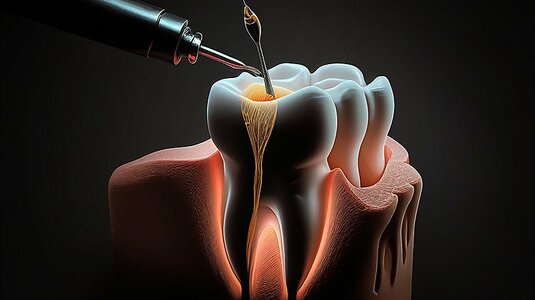
A root canal is a dental procedure designed to treat an infected or inflamed tooth pulp. During the treatment, the dentist removes the damaged pulp, cleans and disinfects the canals inside the tooth, and seals them with a biocompatible material. This procedure eliminates infection, relieves pain, and preserves the natural tooth.
While the idea of “cleaning out the inside of a tooth” may sound intimidating, advances in dental technology have made the process comfortable and highly effective.
Why People Think Root Canals Are Painful
The misconception that root canals are painful largely comes from:
-
Past Experiences: Older dental techniques were less refined, often causing discomfort.
-
Tooth Infection Pain: Patients usually seek treatment when the tooth is already severely infected and painful. The pain felt before the procedure is often mistaken as being caused by the root canal itself.
-
Misinformation: Popular culture and word-of-mouth exaggeration contribute to the fear of pain.
In reality, most patients report that modern root canal treatment is no more painful than getting a filling, thanks to effective anesthesia and sedation options.
Pain Management During Root Canal Treatment
1. Local Anesthesia
Dentists use local anesthetics to numb the affected tooth and surrounding area. This ensures that patients feel little to no pain during the procedure. Modern anesthetics are safe, effective, and work quickly.
2. Sedation Options
For patients with dental anxiety, sedation dentistry options such as nitrous oxide (laughing gas) or oral sedation can make the procedure even more comfortable. These methods reduce stress and help patients relax during treatment.
3. Advanced Dental Tools
Modern dental instruments and microscopes allow dentists to work precisely, reducing the need for excessive drilling and minimizing discomfort.
Pain After a Root Canal
It is normal to experience mild soreness or sensitivity in the treated tooth for a few days following the procedure. This is usually due to:
-
Inflammation in the surrounding tissues
-
Minor irritation from the dental procedure
-
Temporary sensitivity to chewing
This post-treatment discomfort is generally mild and can be managed with over-the-counter pain relievers recommended by your dentist. Severe or prolonged pain is uncommon and may indicate the need for a follow-up visit.
Factors That Influence Pain Levels
While root canals are generally pain-free, certain factors may influence post-treatment discomfort:
-
Severity of Infection: Severe infections may cause more inflammation and temporary soreness after treatment.
-
Tooth Location: Molars, which have multiple canals, may require longer procedures, leading to slightly more post-treatment sensitivity.
-
Patient Health: Pre-existing conditions, such as gum disease or a compromised immune system, can affect healing and sensitivity.
-
Treatment Technique: Experienced endodontists using modern techniques typically produce less discomfort compared to outdated methods.
How to Minimize Discomfort
Patients can take several steps to reduce discomfort and ensure a smooth recovery after root canal treatment:
-
Follow Dentist Instructions: Adhere to all post-procedure guidelines, including medications and oral hygiene practices.
-
Use Recommended Pain Relief: Take over-the-counter pain relievers as directed to manage mild soreness.
-
Eat Soft Foods: Stick to soft or lukewarm foods for the first few days to avoid stressing the treated tooth.
-
Maintain Oral Hygiene: Gentle brushing and flossing prevent infection and promote healing.
-
Attend Follow-Up Appointments: Routine follow-ups ensure that the tooth is healing properly and any issues are addressed promptly.
Myths About Root Canal Pain
Myth 1: Root Canals Are Excruciating
Fact: Modern root canal procedures are virtually painless, thanks to local anesthesia, sedation options, and precise techniques.
Myth 2: Pain During the Procedure Is Normal
Fact: Any significant pain during a root canal is unusual. Patients should communicate with their dentist immediately if they feel discomfort.
Myth 3: Recovery Is Painful for Weeks
Fact: Most patients experience only mild soreness for a few days, which is manageable with simple pain relief measures.
Benefits of Root Canal Treatment
Despite fears about pain, root canal therapy provides significant benefits that outweigh any temporary discomfort:
-
Pain Relief: Eliminates severe pain caused by tooth infection or decay.
-
Preservation of Natural Tooth: Maintains chewing function and prevents adjacent teeth from shifting.
-
Prevention of Infection Spread: Stops infection from reaching other teeth or the jawbone.
-
Long-Term Oral Health: With proper restoration, root canal-treated teeth can last a lifetime.
These benefits make root canal therapy a vital procedure for maintaining oral health and avoiding tooth loss.
Choosing the Right Clinic
The success of root canal treatment and the level of comfort during the procedure largely depend on the skill of the dentist and the quality of the clinic. Look for a clinic that offers:
-
Experienced endodontists with expertise in pain management
-
Modern technology such as digital X-rays and microscopes for precision
-
Sedation options for anxious patients
-
Comprehensive post-treatment care and follow-up
At a reputable clinic, patients can expect a virtually painless experience and a successful long-term outcome.
Conclusion
The fear that root canal treatment is painful is largely based on misconceptions and outdated practices. Modern dental techniques, effective anesthesia, and sedation options make the procedure comfortable and efficient. While mild soreness may occur post-treatment, it is manageable and short-lived.
For anyone experiencing severe tooth pain or infection, timely Root Canal Treatment in Islamabad is the safest and most effective solution for preserving the natural tooth. The expert team at Dynamic Clinic ensures professional, comfortable, and pain-free care, helping patients maintain a healthy, functional, and confident smile.







Post Comment