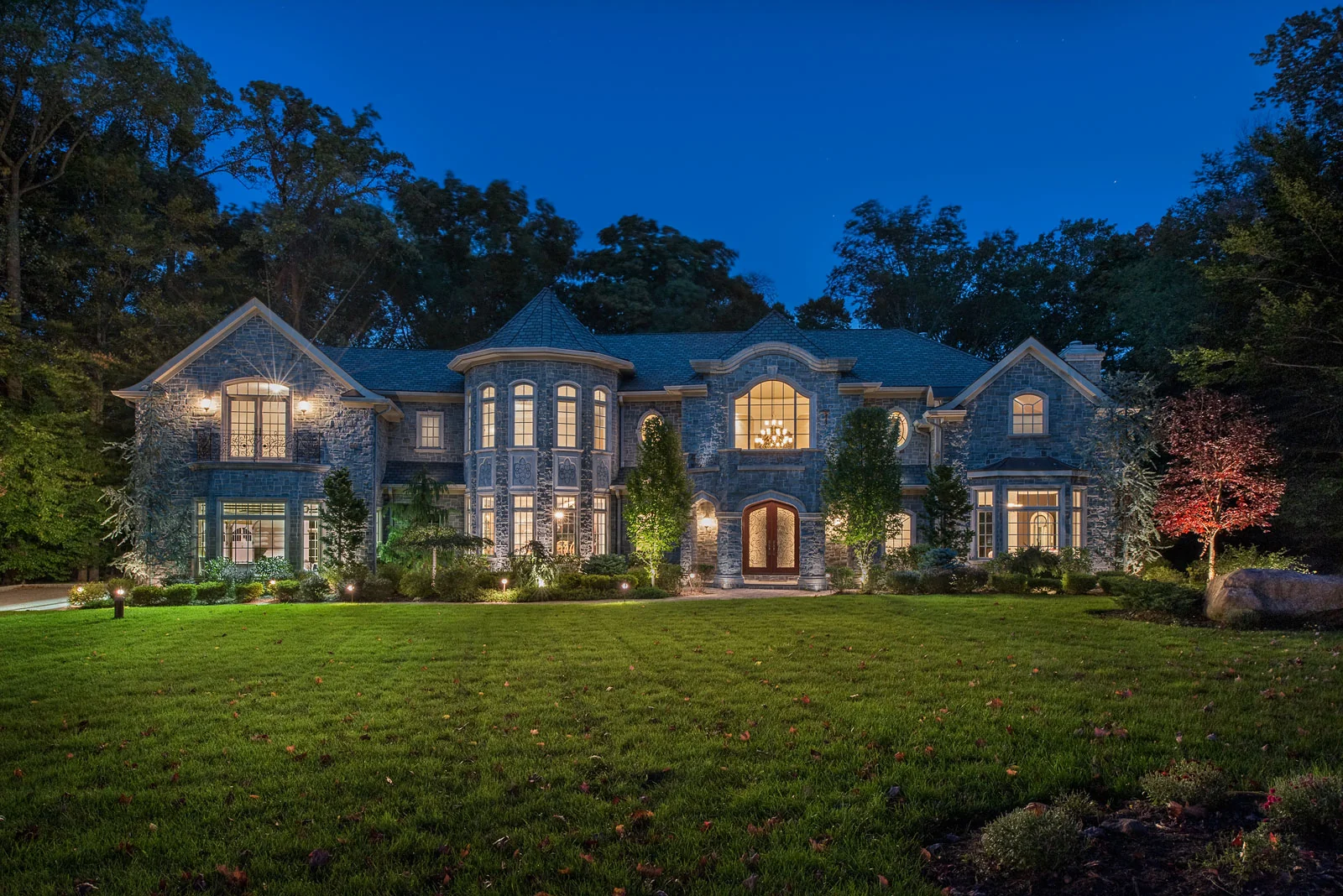
Architectural Photography of Art Deco and Victorian Styles: Blending History with Modern Techniques
When people think about architecture, they usually imagine skyscrapers, shiny glass facades, or minimalist homes straight out of a design magazine. But two styles that continue to capture the hearts of designers, photographers, and homeowners alike are Art Deco and Victorian architecture. These styles aren’t just about buildings—they’re about history, culture, and craftsmanship that deserve to be celebrated through the right lens.
And here’s where architectural photography steps in. Shooting Art Deco and Victorian spaces isn’t just about snapping pictures. It’s about telling a story—bringing out the details, the mood, and the character that make these architectural styles so special. If you’re considering hiring a professional architectural photographer for your project, let’s dig into why capturing these styles matters, how modern techniques elevate them.

What’s the difference between Art Deco and Victorian architecture?
This is one of the most Googled questions—and for good reason. The two styles look dramatically different:
Art Deco (1920s–1940s): Think bold geometric shapes, sharp lines, rich colors, chrome, and luxury. These are the kinds of buildings that make you think of jazz, the Roaring Twenties, and glamour. Famous examples? The Chrysler Building in New York or the pastel facades of Miami’s South Beach.
Victorian (1830s–1900s): Imagine ornate woodwork, steep gables, bay windows, and decorative trims. It’s elegant, romantic, and sometimes even whimsical. You’ll see it in those “painted ladies” in San Francisco or grand townhouses across London.
So while Victorian is about detail and ornamentation, Art Deco is about sleek modernism and bold statement. Both styles are rooted in history but shine differently when photographed.
Why does architectural photography matter for these styles?
Here’s the thing: you can walk past an Art Deco theater or a Victorian home and admire it—but a photo has the power to immortalize it. Good architectural photography does more than just document. It highlights the craftsmanship, preserves the vibe, and communicates what words often can’t.
If you’re a designer, architect, or homeowner who wants to showcase a property, you need more than just smartphone snapshots. You need images that capture the texture of the wood, the play of light on stained glass, or the perfect symmetry of a Deco facade. That’s why professionals get called in.
How do photographers capture the mood of Art Deco buildings?
Great question—people Google this a lot. The magic comes down to three main things:
Lighting: Art Deco thrives on bold lines and contrasts. Photographers often use natural light at sharp angles to enhance the geometry—or sometimes dramatic artificial lighting to bring out metallic finishes.
Composition: Symmetry and repetition are key in Art Deco. A photographer will center the camera to emphasize balance and highlight patterns like zigzags, sunbursts, and chevrons.
Detail shots: Beyond the big facade, pros zoom in on door handles, tiled floors, or custom lettering. These small touches scream “Deco glamour.”
What about Victorian homes—what makes photographing them tricky?
Victorian architecture can be tricky because it’s full of tiny, ornate details. If you shoot too wide, you risk losing the charm; if you shoot too close, you might miss the overall beauty. The same goes for interior architectural photography, where stained glass windows, fireplaces, and decorative moldings demand just the right framing. Professional photographers know how to balance both:
Golden hour shots to bring out warm tones in wood and brick.
Interior lighting setups to highlight stained glass, fireplaces, or crown moldings.
Drone photography (yes, modern tech!) to capture sweeping rooflines, chimneys, and asymmetrical layouts.
It’s all about capturing the romance and storytelling these homes embody.
Modern techniques that make a difference
Here’s where the blend of history and modern technology comes into play. A lot of people searching online want to know: “How do you photograph historic buildings with modern tools?”
Drones: Perfect for overhead shots of sprawling Victorian neighborhoods or Deco skylines.
HDR (High Dynamic Range): Helps balance shadows and highlights, especially in interiors where stained glass or intricate woodwork could otherwise get lost.
Tilt-shift lenses: These correct perspective, making sure tall Deco towers don’t look like they’re leaning.
Post-processing: Editing software allows subtle enhancements—boosting colors, correcting distortions, and removing distractions—while staying true to the original design.
Why hire a professional architectural photographer instead of doing it yourself?
This is another highly searched question, and honestly, it’s one of the most important. Sure, everyone has a camera on their phone, but professional photographers bring three things that make all the difference:
An artistic eye: They know how to frame a shot that tells the story of the building.
The right gear: Drones, tilt-shift lenses, pro lighting setups—tools that elevate the results.
Experience: Pros know how to respect the building’s character while showcasing it in its best light.
If you’re an architect, interior designer, or real estate developer, these photos can literally help you land clients or sell properties faster. If you’re a homeowner restoring a Victorian gem or a business showing off an Art Deco office, pro photography helps you stand out.
FAQ
1. How much does architectural photography cost?
It depends on the size of the project, location, and deliverables. For historic styles like Art Deco and Victorian, expect higher rates because of the attention to detail required.
2. Can you use drones for historic buildings?
Yes, as long as local regulations allow it. Drones give incredible perspectives, especially for Victorian rooflines or Deco skyscrapers.
3. What’s the best time of day to shoot?
Golden hour (early morning or late afternoon) for warmth, but midday light works for bold Deco lines. Nighttime shots also create stunning effects with Deco neon or Victorian streetlamps.
4. Do I need permission to photograph historic buildings?
If it’s public, usually not. But for private Victorian homes or Deco interiors, you’ll need the owner’s okay.
Bringing it all together
Art Deco and Victorian architecture are like time capsules. They represent moments in history that were bold, romantic, and artistic. But to really showcase them, you need more than just a camera—you need someone who knows how to merge history with modern techniques.
That’s where professional architectural photographers shine. They don’t just take pictures; they create timeless visuals that honor the craftsmanship of the past while using today’s tools to make it shine brighter than ever.
So, if you’re planning a project—whether it’s marketing a property, preserving a historical landmark, or just showing off your restored Victorian—investing in architectural photography is worth every penny. After all, these buildings aren’t just structures; they’re stories, and the right photographer will help you tell them beautifully.






Post Comment