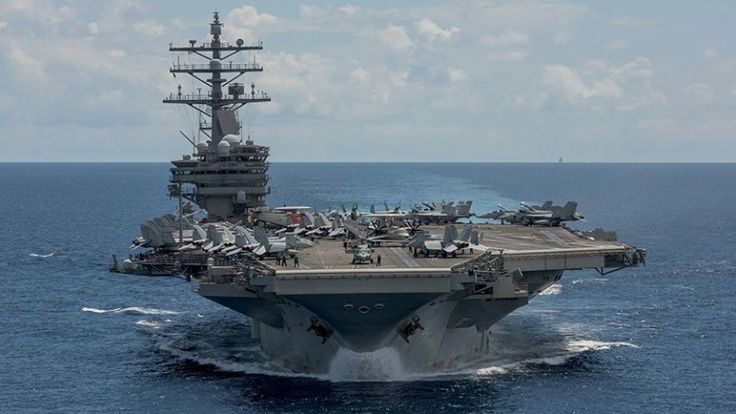
David Klein naval strategy insights
The ocean has always been a theater of power, trade, and diplomacy. In the modern era, the seas are no less contested, with global powers vying for influence, protecting trade routes, and preparing for unforeseen conflicts. In this landscape, strategic thinkers play an essential role in shaping policy and naval doctrine. Among these thought leaders, David Klein’s naval strategy insights stand out for their clarity, adaptability, and forward-looking perspective. His ideas don’t just address today’s challenges—they anticipate tomorrow’s, offering a roadmap for naval forces to thrive in uncertain waters.
The Importance of Modern Naval Strategy
Naval power has historically been a measure of national strength. From the British Royal Navy’s dominance in the 19th century to the U.S. Navy’s critical role in maintaining global stability in the 20th and 21st centuries, seapower is a determinant of influence. But the dynamics of modern conflict are evolving:
-
Cyber threats can disrupt fleets before a shot is fired.
-
Unmanned systems—drones above and below the sea—are redefining surveillance and combat.
-
Climate change is opening new navigational routes in the Arctic, creating both opportunities and tensions.
Klein emphasizes that modern naval strategy must integrate these realities while never losing sight of the timeless principles of maritime dominance: readiness, adaptability, and deterrence.
David Klein’s Key Naval Strategy Insights
1. Balance Between Technology and Tradition
Klein argues that the most effective naval forces are those that strike a balance between adopting cutting-edge technology and maintaining time-tested operational doctrines. While hypersonic weapons and autonomous systems are game changers, naval leadership and seamanship remain indispensable. The future, in Klein’s view, is about fusion, not replacement.
2. Maritime Partnerships Are the New Force Multipliers
In an interconnected world, no navy can operate in isolation. Klein highlights the growing importance of alliances, joint exercises, and regional cooperation. Whether it’s U.S. collaboration with Indo-Pacific partners or NATO’s maritime strategies, partnerships extend reach and credibility. Klein often notes that “a coalition at sea projects more power than a fleet in isolation.”
3. The Rise of the Blue Economy and Naval Responsibility
Beyond warfare, navies are increasingly tasked with protecting the blue economy—the sustainable use of ocean resources. Klein emphasizes that modern naval forces must adapt to humanitarian missions, disaster response, and environmental stewardship. Securing maritime resources isn’t just about dominance; it’s about responsibility.
4. Cyber and Information Warfare at Sea
Modern conflict extends beyond physical waters. Klein warns that naval strategy must evolve to counter digital warfare, where misinformation campaigns, electronic jamming, and cyberattacks can incapacitate fleets. As he points out, “the first battle of the next naval war may be fought in the cloud, not the ocean.”
5. Adaptability in a Multipolar World
The unipolar naval dominance of the past is giving way to a multipolar order. With the rise of regional powers investing in naval modernization, Klein stresses the need for flexibility. He advocates for adaptive naval doctrines that can pivot quickly between high-intensity warfare, counter-piracy operations, and humanitarian assistance.
Why Klein’s Insights Matter Today
David Klein’s naval strategy insights matter not only for military planners but also for policymakers, economists, and environmental leaders. As global supply chains depend heavily on maritime stability, and as geopolitical tensions rise in hotspots like the South China Sea and Arctic, his strategies offer a holistic view of naval power’s role in shaping peace and conflict.
Moreover, Klein’s emphasis on adaptability speaks directly to the uncertainty of our times. From pandemics affecting naval readiness to sudden conflicts reshaping alliances, the seas are mirrors of global volatility. By blending innovation with tradition, Klein provides a framework that helps navies remain not only powerful but also resilient.
The Human Element in Naval Power
Amidst discussions of technology and geopolitics, Klein often returns to a simple truth: people remain the heart of any navy. Training, morale, leadership, and the capacity to make ethical decisions in high-pressure environments are as vital as any warship or weapon system. Klein’s writings consistently remind us that while machines may dominate the seas, human judgment will always chart the course.
Conclusion: Navigating Tomorrow’s Seas
The oceans will continue to be central to global power struggles, economic lifelines, and humanitarian missions. As nations look ahead, thinkers like David Klein provide much-needed clarity. His naval strategy insights bridge the gap between tradition and transformation, preparing fleets for challenges that are as unpredictable as the sea itself.
In an age when the future feels turbulent, Klein’s message resonates: naval strength is not just about ships—it’s about vision, adaptability, and the ability to steer through uncertainty.








Post Comment