How AV Design Software Connects with IoT and Smart Building Systems
XTEN-AV is transforming the way AV consultants, system designers, and integrators work in modern environments. The rise of intelligent spaces and connected ecosystems has brought about new challenges and opportunities for professionals in the AV industry. Businesses, organizations, and institutions now expect their AV systems to seamlessly integrate with IoT devices and smart building systems. This demand has made AV Design Software a vital tool in ensuring efficiency, accuracy, and innovation in every project.
In this blog, we will explore how AV Design Software connects with IoT and smart building systems, why this integration matters, and what benefits it brings to AV professionals and end-users.
The Role of AV Design Software in Modern Projects
AV Design Software plays a critical role in creating structured, reliable, and error-free solutions. Instead of relying on manual drawings, spreadsheets, or disconnected workflows, consultants can use software to automate design processes, generate proposals, and manage complex installations. This software does not just save time but also ensures accuracy when working with diverse technologies such as video conferencing systems, smart lighting, sensors, and IoT devices.
By adopting platforms like XTEN-AV, consultants gain the ability to design systems that are not only functional but also future-proof. This is essential in modern projects where integration with smart building systems is no longer optional but expected.
Why IoT and Smart Building Systems Matter
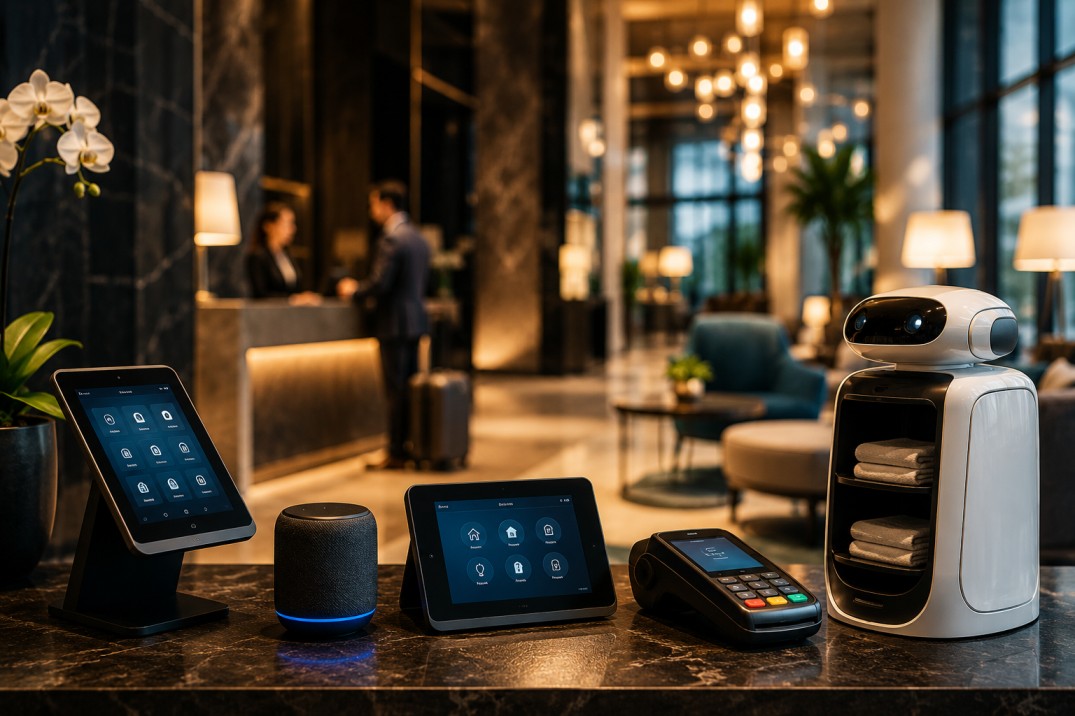
Smart buildings rely on interconnected systems that improve energy efficiency, user comfort, and security. IoT devices act as the nervous system of these smart spaces, collecting and transmitting data to optimize operations. From automated lighting and HVAC to security cameras and access control, every element contributes to creating an intelligent environment.
AV technology sits at the center of this ecosystem. Displays, conferencing systems, audio solutions, and control platforms must seamlessly work with IoT-enabled devices and smart systems. Without proper design and planning, integration becomes complicated and prone to errors. This is where AV Design Software makes a significant difference.
Streamlining Integration with IoT
One of the biggest challenges in AV integration is ensuring compatibility with IoT devices. AV Design Software allows consultants to map out connections between devices and systems before installation. This ensures that every element is correctly configured and eliminates the trial-and-error approach that often causes delays.
For example, if a conference room design requires integration with occupancy sensors, the software can simulate how the sensors interact with AV equipment like displays and microphones. By doing this, consultants can ensure the system responds accurately, such as turning on displays or adjusting audio when a person enters the room.
Supporting Smart Building Protocols
Modern smart buildings rely on communication protocols such as BACnet, KNX, and MQTT. These protocols enable devices from different manufacturers to communicate and work together. AV Design Software supports these protocols by allowing consultants to integrate them into their system designs.
This means that AV solutions can connect directly with building automation systems. A display in a meeting room, for example, can communicate with the building’s HVAC system to adjust the temperature based on occupancy and scheduled usage. Such seamless integration is possible when consultants use software to plan and manage these connections.
Reducing Errors in Complex Installations
The complexity of IoT and smart building systems increases the risk of errors during AV installations. Incorrect wiring, missed connections, or incompatible devices can cause delays and increase costs. AV Design Software helps prevent these issues by providing automated checks, detailed schematics, and clear documentation.
By ensuring every connection is properly mapped and tested in the design stage, consultants can reduce costly mistakes. This is especially valuable when working on large-scale projects such as corporate campuses, universities, or government facilities where hundreds of devices need to work together seamlessly.
Enhancing Collaboration with Other Professionals
Smart building projects involve collaboration between multiple stakeholders, including architects, IT teams, facility managers, and security professionals. AV consultants need to ensure their systems integrate smoothly into the broader ecosystem. AV Design Software enables this collaboration by providing clear, shareable designs and documentation that other professionals can easily understand.
This collaborative approach ensures that AV systems do not operate in isolation but contribute to the overall smart building strategy. For instance, integrating AV systems with building-wide access control can enhance both security and user experience.
Enabling Real-Time Monitoring and Management
Another way AV Design Software connects with IoT and smart building systems is through real-time monitoring. IoT devices generate valuable data that can be integrated into AV management platforms. Consultants can design systems that allow facility managers to monitor performance, track energy usage, and receive alerts for maintenance.
For example, an AV system integrated with IoT sensors can send alerts when a projector lamp is nearing the end of its life or when network bandwidth is under strain. This predictive approach reduces downtime and ensures consistent performance.
Supporting Flexible and Scalable Solutions
One of the biggest advantages of integrating AV systems with IoT is scalability. Smart buildings are designed to evolve as technology advances, and AV Design Software ensures that systems are built with flexibility in mind. Consultants can design modular solutions that can easily adapt to future upgrades or expansions.
For instance, if a company wants to add more conference rooms with AV-IoT integration, the existing design framework can be expanded without starting from scratch. This scalability is crucial in today’s fast-changing technological landscape.
The Benefits for AV Consultants and End-Users
By using AV Design Software that supports IoT and smart building integration, AV consultants gain several benefits:
-
Faster project delivery due to automation and error reduction
-
Better collaboration with other building professionals
-
Future-proof designs that adapt to evolving technology
-
Enhanced client satisfaction with smarter, more efficient systems
For end-users, the benefits include improved comfort, energy efficiency, security, and a seamless user experience. AV systems that connect with IoT make workplaces smarter, more productive, and more sustainable.
Conclusion
XTEN-AV is leading the way in showing how AV Design Software bridges the gap between AV technology, IoT, and smart building systems. In today’s connected world, consultants cannot rely on outdated methods to design and implement complex AV solutions. They need tools that support integration, scalability, and precision.
By adopting AV Design Software that connects with IoT and smart building systems, AV professionals can deliver solutions that not only meet client expectations but also set new benchmarks for innovation and efficiency. As the demand for intelligent environments continues to grow, the role of AV design tools like XTEN-AV will become even more critical in shaping the future of smart buildings.
Read more: https://jordansheel.in/av-design-software-for-faster-installation-and-reduced-errors/






Post Comment