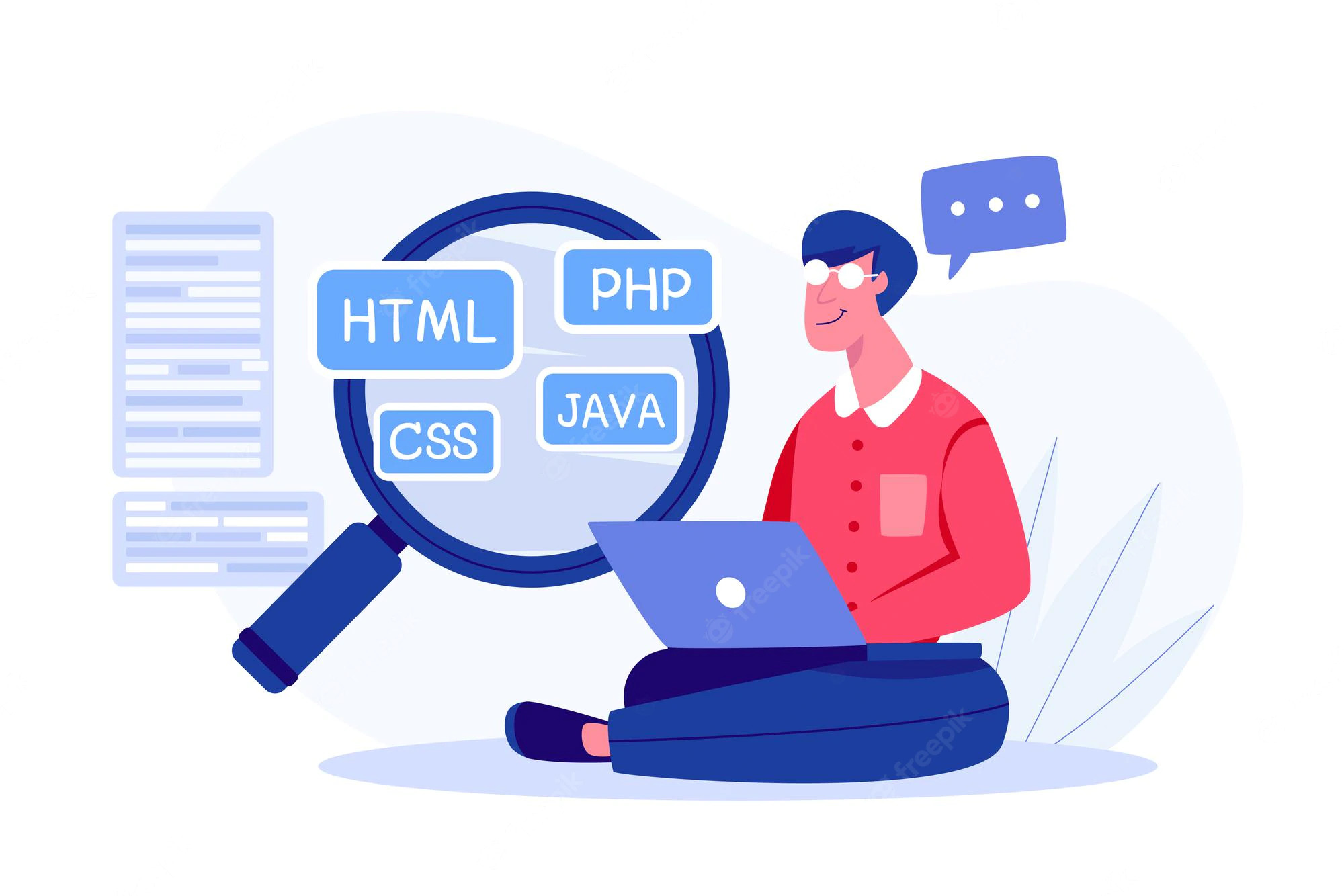
Best Programming Languages for Education Apps
In the world of education, apps have revolutionized the way students and teachers interact with learning materials. Whether it’s e-learning platforms, educational games, or virtual classrooms, these applications are changing the educational landscape. But what’s the driving force behind these apps? It all boils down to the programming languages used to create them. So, what are the best programming languages for building education apps? In this article, we’ll take a deep dive into the top programming languages that power the best educational apps, discuss how mobile app developers in USA are utilizing these technologies, and explore the mobile app development solutions in USA.
Why Choosing the Right Programming Language Matters for Education Apps
Before diving into the list of languages, let’s understand why the programming language you choose is so important. It impacts everything from app performance and scalability to the overall user experience. For educational apps, it’s crucial to have a language that supports fast development, robust performance, and compatibility with various platforms.
Factors to Consider in Choosing a Programming Language
-
Performance and Speed
Education apps often involve multimedia elements such as videos, animations, and quizzes, making performance a top priority. -
Cross-Platform Compatibility
With most users accessing apps on both Android and iOS, it’s essential to use languages that allow for cross-platform development. -
Scalability
As the user base grows, the app should be able to handle an increase in data and users seamlessly. -
Security
Educational apps often handle sensitive information, so security features should be built into the development process.
JavaScript: The Backbone of Interactive Learning Apps
JavaScript has long been a staple in the world of web development, and its use in educational apps is no different. Known for its versatility, JavaScript enables mobile app developers in the USA to create dynamic, interactive applications that respond in real-time to user inputs.
Benefits of Using JavaScript for Education Apps
-
Interactive Features: JavaScript supports features like quizzes, drag-and-drop activities, and interactive lessons that are critical for student engagement.
-
Compatibility: It works across multiple platforms, allowing education app development companies to create apps that run seamlessly on both web browsers and mobile devices.
-
Large Ecosystem: JavaScript’s vast library and framework ecosystem (like React and Angular) make development faster and more efficient.
Swift: The Go-To Language for iOS Education Apps
When it comes to building apps for Apple devices, Swift is the go-to programming language. If you’re looking to develop high-performance, native education apps specifically for iOS devices, Swift is ideal.
Why Swift Is Perfect for Education Apps
-
High Performance: Swift is optimized for performance, which is crucial for apps that rely on real-time data, video streaming, or interactive content.
-
Safety Features: With strong typing and memory management, Swift provides a secure environment for developing educational apps.
-
Easy to Learn and Use: Swift has an easy-to-understand syntax, making it a popular choice for developers and education application development services.
Kotlin: For Android-Based Educational Apps
For Android-based education apps, Kotlin is one of the best programming languages available. It’s designed to be fully interoperable with Java and offers more concise syntax, making it faster and easier for mobile app development companies in the USA to build apps.
Advantages of Kotlin for Education Apps
-
Seamless Integration: Kotlin’s full interoperability with Java ensures that developers can easily integrate new features into existing apps.
-
Improved Readability: With its simpler syntax, Kotlin helps reduce bugs and development time.
-
Community Support: Kotlin has an ever-growing community, ensuring that education mobile application development company have access to a wealth of resources and support.
Python: The Language for EdTech Tools and Backend Development
Python is a highly readable language that’s widely used for backend development in educational apps. While it might not be as common for mobile app development, it plays a significant role in powering the backend of many educational applications.
Why Python is Important for Education App Development
-
Ease of Learning: Python’s simple syntax makes it an excellent choice for building educational tools for beginners.
-
Integration Capabilities: Python can integrate with other technologies, such as machine learning algorithms, making it ideal for building smart educational apps.
-
Scalability: It supports large data processing, which is perfect for apps that need to handle vast amounts of educational content or user data.
Java: The Stalwart of Cross-Platform Development
Java is one of the oldest and most widely used programming languages in mobile app development. Known for its portability, Java can be used to develop apps that run across multiple platforms. It’s an essential language for mobile app development services in the USA that focus on cross-platform education apps.
Key Benefits of Java for Education Apps
-
Cross-Platform Compatibility: Java’s “Write Once, Run Anywhere” feature ensures that education apps work seamlessly on both Android and iOS.
-
Extensive Libraries: Java has a broad range of libraries and frameworks that make developing complex educational apps much easier.
-
Security Features: As education apps deal with sensitive information, Java’s robust security features are essential.
C#: Ideal for Game-Based Learning Apps
C# is a powerful language that’s used to develop educational games and simulations. It’s the primary language used with the Unity game engine, which is commonly used in game-based learning apps.
Why C# is a Good Choice for Education Games
-
Game Development Focus: C# is optimized for game development, making it perfect for creating engaging, interactive educational games.
-
Cross-Platform Development: With Unity, C# allows for the creation of games that run on various platforms, including mobile, PC, and consoles.
-
Large Community and Resources: C# has a large support community, providing a wealth of resources for education app developers.
Dart: The Language Behind Flutter for Cross-Platform Development
Dart is the programming language used with Flutter, Google’s UI toolkit for building natively compiled applications for mobile, web, and desktop from a single codebase.
Advantages of Dart and Flutter for Education Apps
-
Single Codebase for Multiple Platforms: Developers can use Dart and Flutter to create apps that run on both iOS and Android without having to maintain separate codebases.
-
Fast Development: With Flutter’s hot reload feature, developers can quickly iterate and make changes to their education apps in real-time.
-
Growing Popularity: Dart and Flutter are rapidly gaining popularity due to their ease of use and cross-platform capabilities, making them a great choice for modern education apps.
Ruby on Rails: Efficient Backend for Education Apps
Ruby on Rails is an open-source web application framework written in Ruby. It is known for its convention-over-configuration approach, making it an excellent choice for backend development in education apps.
Why Choose Ruby on Rails for Education Apps
-
Faster Development: Ruby on Rails speeds up development due to its built-in features and pre-configured settings.
-
Scalability: Ruby on Rails can handle growing user bases and large amounts of educational content with ease.
-
Strong Community: The Ruby on Rails community offers robust support, ensuring that developers have the resources they need to build educational apps efficiently.
Conclusion
When it comes to creating educational apps, the choice of programming language is crucial. Each language has its strengths, and the decision should be based on the app’s requirements, target platform, and desired user experience. If you’re looking for a reliable and experienced team to build your education app, consider partnering with a top-tier education app development company like Devherds. They offer education application development services that ensure a seamless user experience and robust performance, helping your app stand out in a competitive market. Devherds’ team of skilled mobile app developers in the USA is well-versed in using the best programming languages for education apps, delivering tailor-made solutions that meet your needs.
Frequently Asked Questions (FAQs)
1. What is the best programming language for developing educational apps?
The best language depends on the platform and features you want, but popular choices include JavaScript, Swift, Kotlin, and Dart.
2. Can I develop education apps using only one language for both Android and iOS?
Yes, languages like Dart (with Flutter) and JavaScript allow for cross-platform development, meaning your app can run on both Android and iOS.
3. Why is Swift considered ideal for iOS educational apps?
Swift offers high performance, ease of use, and robust security, making it perfect for creating educational apps on iOS.
4. Is Python useful for building educational apps?
Python is commonly used for backend development and can be particularly beneficial for apps that require machine learning or large-scale data handling.
5. How can Devherds help in developing education apps?
Devherds, an education app development company, provides expert education mobile application development services to create robust, interactive, and user-friendly educational apps tailored to your needs.







Post Comment