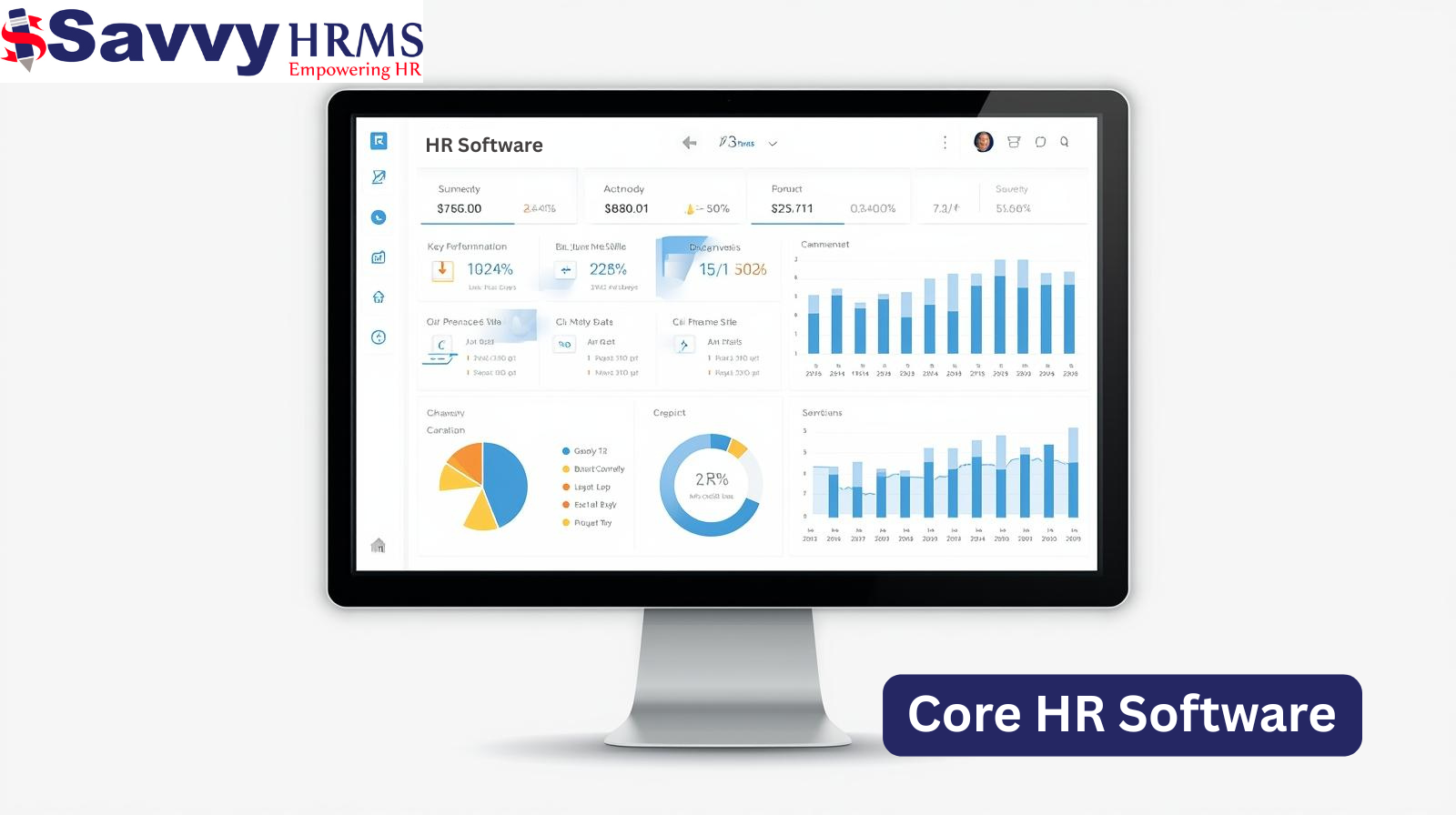
Core HR Software: The Backbone of Modern HR Management
In today’s business environment, human resources is no longer just a support function. Modern organizations require HR to be strategic, efficient, and data-driven. Just like a backbone supports and stabilizes the human body, core HR software acts as the structural support of HR management, providing a centralized system that connects processes, people, and insights. With core HR software in place, HR departments can transform from reactive administrators to proactive enablers of business growth. This article explores why core HR software is the backbone of modern HR management.
What Is Core HR Software
Defining the Backbone
Core HR software is a centralized platform that manages essential HR processes and employee data. It functions as the backbone of HR by connecting all components of workforce management, from onboarding and attendance tracking to payroll and analytics. By consolidating data in one system, HR teams can ensure consistency, accuracy, and efficiency across every HR function.
Why It Forms the Backbone
The analogy of a backbone is fitting because, without it, HR functions can become fragmented and inefficient. Core HR software:
-
Connects all HR functions into a unified system
-
Ensures accurate and up-to-date employee data is accessible to HR, managers, and employees
-
Provides a foundation for automation, analytics, and strategic decision-making
-
Supports compliance and secure data management, keeping the organization structurally sound
Without a strong HR backbone, organizations risk miscommunication, duplicated efforts, and reactive decision-making.
Core HR in Action: The Structural Pillars
Employee Data and Lifecycle Management
At the heart of any HR department is employee information. Core HR software centralizes data such as personal details, job history, reporting lines, training records, and performance metrics. By maintaining a single source of truth, HR teams can manage the full employee lifecycle from hiring to exit efficiently.
Workflow Automation and Approvals
HR operations involve numerous approvals, from leaves to promotions. Core HR software automates these workflows, reducing errors and delays while ensuring compliance. It strengthens HR’s structure by keeping processes consistent and predictable.
Employee Self-Service and Accessibility
Modern employees expect control over their own data. With self-service portals and mobile access, employees can update personal details, check payslips, or request leave independently. This empowers staff while freeing HR to focus on strategic initiatives, just as a backbone allows limbs to move without constantly supporting them.
Analytics, Dashboards, and Reporting
A strong backbone also supports insight and intelligence. Core HR software offers dashboards and reporting tools that track headcount, turnover trends, skills gaps, and workforce costs. Leaders can make informed decisions because the core system provides structure and clarity.
Compliance and Data Security
A secure backbone is vital for stability. Core HR software enforces access controls, audit trails, and regulatory compliance, ensuring sensitive employee data is safe and organizational policies are consistently applied.
Why Core HR Software Is the Backbone of Modern HR Management
Enhancing Efficiency
By automating repetitive tasks and centralizing information, core HR software allows HR teams to focus on strategy rather than administration. This structural support reduces operational friction and creates a more agile HR function.
Ensuring Data Integrity
Fragmented systems result in inconsistent data, which weakens decision-making. Core HR software provides a single source of truth, ensuring that every part of the HR function relies on accurate, consistent information.
Empowering Employees
Employee self-service and mobile access strengthen the HR backbone by distributing control and responsibility. Empowered employees feel engaged, while HR can allocate resources to growth and development initiatives.
Supporting Strategic HR
With administrative tasks handled by the system, HR can focus on strategic functions such as workforce planning, skills development, and culture-building. Core HR software provides the backbone that supports these higher-level activities.
Compliance and Risk Mitigation
HR is responsible for adhering to numerous regulations and protecting sensitive information. Core HR software ensures compliance through structured processes, audit trails, and security features, reinforcing the organization’s structural integrity.
Implementation Considerations: Building a Strong HR Backbone
Align With Business Needs and Culture
A system must fit the organization’s workflows, culture, and growth trajectory. Aligning the software to business needs ensures that the backbone can support future organizational demands.
Choose Configurability
Every company has unique processes. Core HR software should allow customization of workflows, permissions, and data fields to maintain structural flexibility without compromising stability.
Engage Stakeholders Early
Successful implementation requires buy-in from employees, managers, and HR teams. Training, communication, and change management are essential for strengthening adoption and ensuring the backbone is robust.
Plan for Data Migration and Integrations
Moving from spreadsheets or legacy systems to a modern HR platform requires careful data migration and integration with payroll, attendance, and finance systems. Accurate data ensures the backbone functions effectively.
Continuous Governance
The backbone needs maintenance. Regular monitoring, updates, and user feedback keep HR systems aligned with organizational needs and capable of supporting growth.
Future Trends: Strengthening the HR Backbone
AI and Predictive Insights
AI capabilities are being integrated into HR systems, providing predictive analytics for turnover risk, skills forecasting, and automated workflows, further reinforcing the backbone of HR management.
Mobile and Hybrid Workforce Support
Remote and hybrid work requires mobile-first HR platforms that enable self-service, approvals, and real-time updates from anywhere, strengthening the backbone across all locations.
Employee Engagement Tools
Beyond core functions, modern HR systems incorporate engagement tools such as surveys, feedback portals, and gamified features, enhancing organizational culture and reinforcing the backbone.
Globalization and Multi-Region Support
For organizations operating in multiple regions, core HR software manages multiple currencies, languages, and compliance requirements, ensuring the backbone can support international operations seamlessly.
Real-World Impact: The Backbone in Action
A mid-sized organization previously relied on separate spreadsheets for HR processes, leading to delays, errors, and low employee satisfaction. After implementing core HR software:
-
Employee data became centralized and accessible in real time
-
Automated workflows reduced approval delays
-
Dashboards provided clear insights into workforce trends
-
Employees gained self-service access for leaves, payslips, and personal updates
The result was improved efficiency, employee satisfaction, and a stronger HR function capable of supporting strategic initiatives, proving that core HR software truly serves as the backbone of HR management.
Challenges to Address
Organizations should watch for:
-
Insufficient training and change management
-
Over-customization complicating future upgrades
-
Poor data quality
-
Neglecting integration with other systems
-
Falling back into old manual processes
Anticipating these challenges ensures the backbone remains strong and effective.
Conclusion
Core HR software is not just a tool, it is the structural foundation that supports modern HR management. By centralizing data, automating workflows, enabling employee self-service, and providing insights, it strengthens the HR function and allows organizations to operate efficiently and strategically. Organizations that adopt core HR software build a robust backbone that supports growth, engagement, and compliance.
Ready to see this transformation in action? Book a demo today and discover how core HR software can serve as the backbone of your HR management.






Post Comment