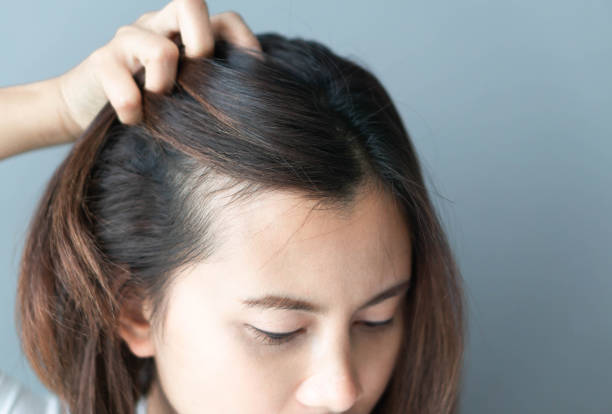
Are Hair Loss Treatments in Dubai Effective for Scarring Alopecia?
Scarring alopecia, also known as cicatricial alopecia, is a type of hair loss that occurs when hair follicles are permanently damaged and replaced by scar tissue. Unlike typical pattern baldness, scarring alopecia is more challenging to treat due to the irreversible nature of follicle destruction. For residents in Dubai facing this condition, understanding the available hair loss treatment options is essential.
This article provides an in-depth look at the effectiveness of hair loss treatments in Dubai for scarring alopecia, the best approaches, and what patients can realistically expect.
Understanding Scarring Alopecia:
Scarring alopecia results from inflammation that destroys hair follicles and replaces them with fibrous tissue. The condition can affect small patches or larger areas of the scalp and may be caused by autoimmune diseases, infections, or trauma. Early intervention is crucial, as untreated scarring alopecia leads to permanent hair loss.
Common Signs of Scarring Alopecia:
- Smooth, shiny patches on the scalp
- Redness or inflammation around affected areas
- Itching, burning, or tenderness in some cases
- Gradual or sudden hair loss
Challenges of Treating Scarring Alopecia:
Hair loss treatment in Dubai for scarring alopecia is complex due to the following factors:
- Permanent Follicle Damage: Once a follicle is destroyed, natural hair regrowth is unlikely.
- Variable Causes: Different underlying causes may require tailored treatment approaches.
- Risk of Progression: Without treatment, scarring alopecia may spread and affect larger scalp areas.
Available Hair Loss Treatments in Dubai:
Although scarring alopecia presents challenges, there are effective treatment strategies aimed at halting progression, reducing inflammation, and potentially restoring hair where follicles remain viable.
Medications:
Anti-inflammatory and immunosuppressive medications can slow or stop the progression of scarring alopecia. Common approaches include:
- Topical corticosteroids to reduce inflammation
- Oral medications for more severe cases
- Immune-modulating treatments for autoimmune causes
Platelet-Rich Plasma (PRP) Therapy:
PRP therapy involves injecting concentrated platelets into the scalp to promote healing and hair growth. While PRP cannot regenerate destroyed follicles, it may improve hair density in surrounding areas and enhance scalp health.
Hair Transplantation:
For patients with stable, non-progressing scarring alopecia, hair transplantation can provide a cosmetic solution. Follicular units are extracted from unaffected areas and transplanted to scarred regions. Success depends on:
- Scalp elasticity
- Absence of active inflammation
- Quality of donor hair
Low-Level Laser Therapy:
Non-invasive laser therapy may improve blood circulation and stimulate existing follicles in areas adjacent to scars. This can enhance hair thickness and support healthier scalp tissue.
Effectiveness and Limitations:
While hair loss treatments in Dubai offer hope, scarring alopecia requires realistic expectations:
- Halting Progression: Medications and anti-inflammatory treatments are effective in preventing further follicle destruction.
- Regrowth Potential: Hair regrowth is limited to areas where follicles are still intact; scarred areas may not respond.
- Cosmetic Improvement: Procedures like hair transplantation and PRP can improve appearance but may not fully restore original density.
Tips for Better Outcomes:
- Seek early diagnosis and treatment to prevent irreversible hair loss
- Follow prescribed treatment plans consistently
- Combine therapies, such as medication and PRP, for enhanced results
- Protect the scalp from trauma and excessive sun exposure
- Maintain a healthy lifestyle to support scalp and hair health
FAQs About Hair Loss Treatment for Scarring Alopecia:
Can scarring alopecia be completely reversed?
No, but progression can be controlled, and cosmetic improvement is possible with treatments like transplantation.
How long does it take to see results?
Depending on the treatment, improvements in hair density or scalp health may appear within 3–6 months.
Are treatments painful?
Most treatments are minimally invasive. PRP injections may cause mild discomfort, while hair transplantation involves local anesthesia.
Can scarring alopecia recur after treatment?
Yes, ongoing monitoring and maintenance therapy may be necessary to prevent recurrence.
Is it safe to combine treatments?
Yes, combining medications, PRP therapy, and laser treatments is often recommended under professional guidance.
Conclusion:
hair loss treatment in Dubai (علاج تساقط الشعر في دبي)for scarring alopecia can be effective in halting progression, improving scalp health, and providing cosmetic solutions where follicles remain viable. While complete restoration of hair in scarred areas is unlikely, combining medications, PRP therapy, laser treatments, and hair transplantation can offer meaningful improvements in appearance and confidence.
Early intervention, realistic expectations, and a tailored approach are key to achieving the best results in managing scarring alopecia. With advanced treatment options available in Dubai, patients can take proactive steps to preserve their hair and enhance scalp aesthetics.





Post Comment