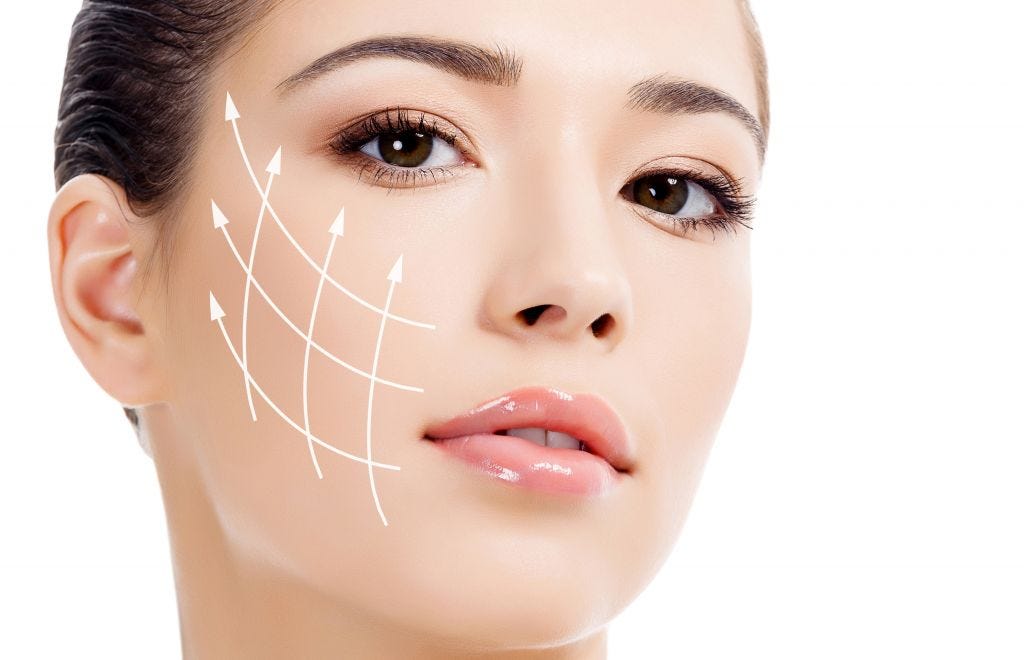
Signs of a Bad Facelift and How to Avoid It in Islamabad
Facelift surgery is an effective solution for those looking to restore a youthful appearance and tighten sagging skin. However, not all facelifts yield satisfactory results. Some patients may experience complications, unnatural outcomes, or prolonged recovery due to poor surgical technique or improper post-operative care. Understanding the signs of a bad facelift and knowing how to avoid them is essential for anyone considering a Facelift in Islamabad.
{“success”: false, “data”: “Missing a temporary folder.”}Understanding What Constitutes a “Bad” Facelift
A bad facelift does not necessarily indicate medical negligence, but it often refers to outcomes that are aesthetically unpleasing or physically problematic. Common indicators include:
-
Asymmetry in facial features
-
Over-tightened skin leading to a “windblown” appearance
-
Visible or poorly healed scars
-
Persistent pain, numbness, or swelling
-
Unrealistic results that look unnatural
Recognizing these signs early allows patients to seek corrective measures or avoid poor outcomes altogether.
Common Signs of a Bad Facelift
1. Unnatural or Overly Tight Appearance
-
Overly pulled skin can give a stretched or windblown look, especially around the cheeks and jawline.
-
Natural facial expressions may be restricted, affecting speech or smiling.
2. Asymmetry
-
One side of the face appearing different from the other is a common sign of poor surgical technique.
-
Even minor asymmetry can be noticeable and affect overall facial harmony.
3. Poorly Concealed Scars
-
Incisions should follow natural facial creases and hairlines to minimize visibility.
-
Scars that are raised, red, or widely visible indicate inadequate surgical planning or healing issues.
4. Persistent Swelling or Bruising
-
Swelling and bruising are normal initially, but prolonged or worsening symptoms may signal complications.
-
Hematomas or fluid accumulation could require medical intervention.
5. Nerve Damage
-
Temporary numbness is common, but permanent numbness, drooping of facial muscles, or weakness can indicate nerve injury.
6. Infection
-
Signs include redness, warmth, pus, fever, or unusual pain around incision sites.
-
Prompt medical attention is critical to prevent further complications.
7. Unsatisfactory Aesthetic Results
-
Disproportionate tightening, sagging, or unnatural contours may require revision surgery.
-
Miscommunication between the surgeon and the patient regarding expectations often contributes to dissatisfaction.
How to Avoid a Bad Facelift
Preventing a bad facelift begins with thorough research, careful planning, and following expert guidance.
1. Choose an Experienced Surgeon
-
Verify board certification and credentials.
-
Select a surgeon with extensive experience specifically in facelifts.
-
Review before-and-after photos and patient testimonials.
2. Select a Reputable Clinic
-
Ensure the clinic maintains high hygiene standards and modern surgical equipment.
-
Accredited facilities with proper emergency protocols minimize the risk of complications.
3. Comprehensive Consultation
-
Discuss your goals and expectations clearly with your surgeon.
-
Ask about the procedure, recovery time, potential risks, and alternative options.
-
Honest communication ensures realistic expectations and satisfactory results.
4. Pre-Operative Preparation
-
Follow the surgeon’s recommendations regarding medications, smoking, alcohol, and nutrition.
-
Address any pre-existing health conditions that could increase risks.
5. Post-Operative Care
-
Follow all post-surgery instructions regarding wound care, medications, and activity restrictions.
-
Attend all follow-up appointments for early detection of potential complications.
6. Avoid Quick Decisions or Discount Offers
-
Choosing a surgeon solely based on low cost can increase the risk of poor outcomes.
-
Prioritize expertise, safety, and quality over affordability.
Recovery Tips to Ensure Optimal Results
Even with the best surgeon, proper post-operative care is critical:
-
Rest and Elevation: Keep your head elevated to reduce swelling.
-
Cold Compresses: Apply as directed to minimize bruising.
-
Medication Compliance: Take prescribed painkillers and antibiotics on schedule.
-
Avoid Strenuous Activity: Heavy lifting or bending can stress incision sites.
-
Gentle Skincare: Use recommended products to aid healing and reduce scarring.
Following these steps helps ensure the facelift heals correctly and achieves natural-looking results.
When Revision Surgery is Necessary
In cases where the facelift outcome is unsatisfactory, revision surgery may be required:
-
Correct asymmetry or over-tightened areas
-
Remove or reduce visible scars
-
Repair minor nerve injuries or sagging that recurs
Choosing an experienced surgeon for the initial procedure significantly reduces the likelihood of requiring revisions.
Why Islamabad is a Safe Destination for Facelifts
Islamabad has become a leading city for cosmetic surgery due to:
-
Highly trained and experienced surgeons specializing in facelifts
-
Modern clinics are equipped with advanced surgical technology
-
Comprehensive pre- and post-operative care to minimize risks
-
Affordable yet high-quality surgical options compared to international centers
Patients in Islamabad can safely achieve youthful and natural facial rejuvenation when they follow recommended precautions.
Conclusion
A facelift can dramatically enhance appearance and confidence, but knowing the signs of a bad facelift and how to prevent them is crucial. Patients should prioritize choosing a skilled surgeon, a reputable clinic, and adhering to pre- and post-operative guidelines. By taking these steps, the risk of complications and unsatisfactory outcomes can be significantly reduced.
For safe, professional, and effective facelift procedures, Dynamic Clinic offers expert surgeons, advanced technology, and personalized care. To explore facelift options and schedule a consultation, visit Dynamic Clinic today.





Post Comment