Everything You Need to Know About the Endoscopy Procedure (EGD)
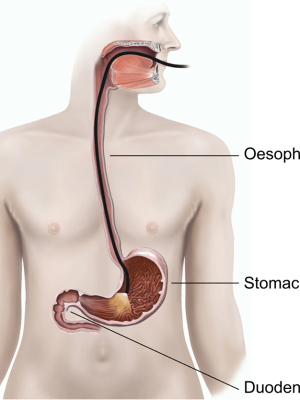
The endoscopy procedure is a non-surgical technique used to examine the inside of the body using a flexible tube equipped with a light and camera. Specifically, an upper endoscopy—also called esophagogastroduodenoscopy (EGD)—allows your doctor to view your esophagus, stomach, and upper part of the small intestine (duodenum).
At Colon & Digestive Health Specialists, our advanced endoscopy services are performed by board-certified gastroenterologists with a focus on accuracy, comfort, and compassionate care.
Why Is the Endoscopy Procedure Done?
An EGD endoscopy is used to diagnose, monitor, or treat various gastrointestinal conditions. It’s typically recommended when you experience symptoms such as:
- Persistent heartburn or acid reflux
- Difficulty swallowing (dysphagia)
- Nausea or vomiting
- Unexplained weight loss
- Upper abdominal pain
- Gastrointestinal bleeding
Your doctor may also use the endoscopy procedure to take biopsies, remove polyps, or treat sources of bleeding—all during a single session.
What Diseases Can Be Detected by an Endoscopy Procedure?
Upper endoscopy helps diagnose a variety of GI conditions, including:
- Gastroesophageal reflux disease (GERD)
- Peptic ulcers
- Celiac disease
- Esophageal or stomach cancer
- Barrett’s esophagus
- Hiatal hernia
- Gastritis or esophagitis
- Strictures or obstructions
- Esophageal varices
This makes the endoscopy procedure a crucial tool for early detection and prevention of serious digestive diseases.
How to Prepare for an Endoscopy Procedure
Preparation is simple and important for safety and effectiveness:
- Fasting: Avoid food and drinks for at least 6–8 hours before the procedure.
- Medications: Inform your doctor about medications, especially blood thinners or diabetes medications. You may need to adjust or pause them temporarily.
- Arrange Transportation: Due to sedation, you’ll need someone to drive you home.
Our team at Colon & Digestive Health Specialists will provide you with detailed instructions to ensure your comfort and safety.
What Happens During the Endoscopy Procedure?
The endoscopy procedure is typically performed in an outpatient setting and takes about 15–30 minutes.
Here’s what to expect:
- Sedation & Monitoring: You’ll receive a sedative through an IV to help you relax. Your vital signs are monitored throughout.
- Inserting the Endoscope: A thin, flexible tube is gently passed through your mouth into the esophagus and down to the small intestine.
- Imaging & Treatment: The camera transmits high-definition images to a monitor. Your doctor may take tissue samples (biopsies) or perform minor treatments as needed.
- Recovery: Afterward, you’ll rest in a recovery area while the sedative wears off—usually about 30–60 minutes.
Most patients experience no pain and only mild discomfort, such as a sore throat or bloating.
After the Endoscopy Procedure
- Recovery Time: You can usually go home the same day and resume light activities.
- Results: Your doctor will review initial findings with you, and biopsy results (if taken) are typically available within a few days.
- Side Effects: Mild symptoms like bloating or sore throat usually resolve within a few hours.
Serious complications are rare but can include bleeding or perforation. Our team ensures the highest standards of safety and hygiene throughout your care.
Benefits of Choosing Our Endoscopy Services
At Colon & Digestive Health Specialists, we provide:
- Expert Gastroenterologists with years of specialized experience
- Advanced diagnostic technology for accurate results
- Comfort-focused sedation protocols
- Quick turnaround for results and follow-up care
- Personalized treatment plans based on your findings
Schedule Your Endoscopy Procedure Today
If you’re experiencing digestive issues or have been referred for an upper endoscopy, trust the professionals at Colon & Digestive Health Specialists. Our team will guide you through every step of the endoscopy procedure—from preparation to recovery.








Post Comment