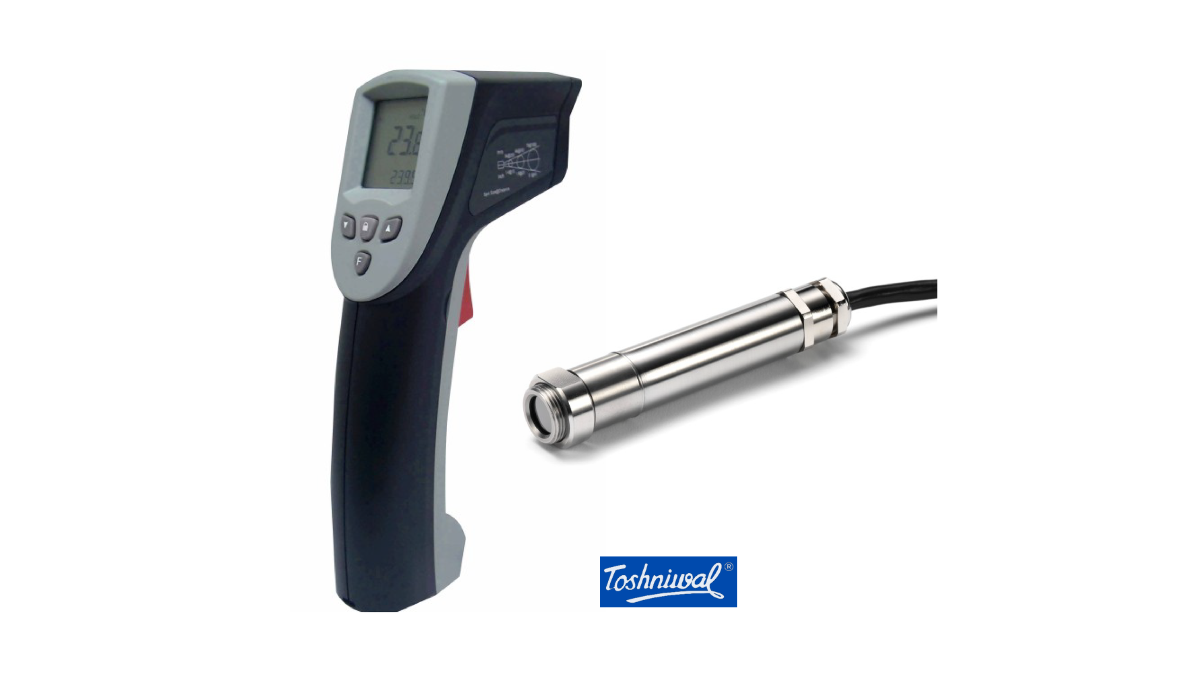
The Science Behind Industrial Temperature Sensors and Their Accuracy
Industries operate in environments where precision is everything. A small deviation in temperature can lead to defective products, wasted resources, or even hazardous situations. This is why industrial temperature sensors play such a crucial role. They provide reliable thermal data that keeps operations steady and efficient. To truly appreciate their importance, it is essential to understand the science that drives these sensors and what makes them accurate.
The Principle of Temperature Measurement
At the core of every temperature sensor lies the concept of detecting heat energy and converting it into measurable data. Different types of sensors rely on unique scientific principles. Thermocouples generate a voltage when exposed to temperature differences. Resistance Temperature Detectors (RTDs) measure changes in electrical resistance as temperature varies. Infrared sensors detect thermal radiation emitted by surfaces, allowing non-contact temperature measurement. Each method has its own advantages depending on the industrial application.
Factors Influencing Accuracy
Accuracy in temperature measurement depends on several factors. Sensor design, material quality, and calibration all affect performance. Environmental conditions such as humidity, vibration, and electromagnetic interference can also influence results. Advanced sensors are engineered to minimize these errors, ensuring that industries receive dependable data even in challenging conditions.
Calibration and Standards
For sensors to maintain accuracy, calibration is critical. Calibration involves comparing sensor readings with known reference points and adjusting them accordingly. Industrial environments often follow international standards that define acceptable error margins for different applications. Regular calibration not only guarantees accuracy but also ensures compliance with safety and quality regulations.
Real-Time Data and Response Time
In many industries, temperature changes happen rapidly. A sensor’s response time is therefore vital. The quicker a sensor can detect and transmit changes, the more effectively a system can react. Whether adjusting cooling systems or shutting down equipment, real-time accuracy prevents damage and improves efficiency. Modern sensors are designed with advanced electronics that ensure instant feedback and high reliability.
Advances in Sensor Technology
Technology has significantly improved the accuracy of temperature sensors. Digital sensors now provide precise readings with minimal drift over time. Materials such as platinum in RTDs offer superior stability, while infrared technology allows accurate non-contact measurement. These advances ensure that industries can trust their sensors even in extreme conditions, whether high-heat furnaces or sub-zero storage facilities.
Importance in Industrial Processes
Accurate temperature readings are fundamental in ensuring product quality, safety, and energy efficiency. For instance, in food production, a few degrees of error could compromise safety standards. In electronics, overheating can damage delicate components. Without reliable sensors, maintaining control over such processes would be impossible.
Conclusion
Industrial Temperature Sensors operate on precise scientific principles that enable them to deliver accurate data across a wide range of environments. Their accuracy depends on design, calibration, and technological innovation, all of which ensure they remain dependable in critical applications. As industries demand ever-greater precision, the science behind these sensors will continue to evolve, reinforcing their role as essential tools for reliable and efficient operations.







Post Comment