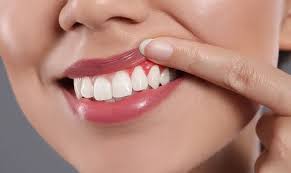
How Early Detection of Gum Recession Can Save Your Smile
Gum health is just as important as the health of your teeth, yet it’s often overlooked until problems become visible or painful. One of the most common yet underestimated oral health issues is gum recession.
When gums begin to pull away from the teeth, the roots become exposed, leading to sensitivity, discomfort, and a higher risk of tooth loss if untreated. Early detection of gum recession is crucial, and with modern gum recession treatment, patients have more effective options than ever before to restore and protect their smiles.
What Is Gum Recession?
Gum recession occurs gradually, making it easy to miss in its early stages. It happens when the gum tissue pulls back, exposing the tooth and increasing the risk of sensitivity, decay, and even tooth loss. Common signs include:
- Teeth appearing longer than usual
- Sensitivity to hot or cold food and drinks
- Visible notches or grooves near the gumline
- Bleeding or inflamed gums
Many people don’t realize they have gum recession until their dentist points it out, which makes regular dental checkups essential for early detection.
Causes of Gum Recession
Several factors can contribute to gum recession. Understanding these causes is the first step toward prevention and treatment.
- Poor Oral Hygiene – Inadequate brushing and flossing can lead to plaque buildup and gum disease, both of which damage gum tissue.
- Aggressive Brushing – Brushing too hard or using a hard-bristled toothbrush can wear down gums over time.
- Periodontal Disease – This bacterial infection of the gums is one of the leading causes of gum recession.
- Genetics – Some people are simply more prone to gum recession due to their family history.
- Tobacco Use – Smoking or chewing tobacco weakens gum tissue, increasing the risk of recession.
- Teeth Grinding or Clenching – Constant pressure on teeth can cause gums to recede.
- Misaligned Teeth – When teeth are not properly aligned, excessive force can be placed on gums, leading to wear.
Why Early Detection Matters
Catching gum recession early can make all the difference. In its initial stages, gum recession can often be slowed—or even halted—through non-invasive treatments and lifestyle adjustments. Early detection allows dentists to:
- Recommend gentler brushing techniques
- Perform deep cleanings to remove plaque buildup
- Provide custom night guards for teeth grinders
- Suggest gum-friendly oral care products
- Monitor gum health with digital imaging and exams
By addressing gum recession at its earliest stages, patients can avoid more invasive treatments like gum grafting or surgery.
Modern Treatment Options for Gum Recession
If gum recession is diagnosed early, your dentist may recommend treatments that can restore gum health and protect your teeth. These include:
- Scaling and Root Planing – A deep-cleaning procedure that removes plaque and tartar from below the gumline.
- Desensitizing Agents – Special treatments that reduce tooth sensitivity caused by exposed roots.
- Gum Grafting – For more advanced cases, tissue is taken from another area of your mouth and attached to the affected gums.
- Pinhole Surgical Technique – A minimally invasive treatment where small holes are made to gently reposition gum tissue.
- Laser Therapy – Used to remove diseased tissue and encourage gum regeneration.
At advanced dental centers such as Dentistry Redefined, these modern treatment techniques are performed with precision and care to ensure long-lasting results.
Preventing Gum Recession Before It Starts
Prevention is just as important as treatment. Simple daily habits can go a long way in protecting your gums:
- Use a soft-bristled toothbrush and brush gently.
- Floss daily to remove plaque between teeth.
- Avoid smoking and tobacco products.
- Wear a night guard if you grind your teeth.
- Visit your dentist for routine checkups and cleanings.
These steps not only reduce your risk of gum recession but also improve your overall oral health.
The Role of Regular Dental Checkups
Even the most diligent brushing and flossing at home can’t replace professional dental care. Routine dental visits allow your dentist to spot the early signs of gum recession before you notice them. Regular checkups typically include:
- A thorough examination of your gums
- Measurements of gum pocket depth
- Professional teeth cleaning to remove tartar buildup
- Advice tailored to your oral health needs
Early detection during these visits gives you the best chance of protecting your teeth and gums for the long term.
How Gum Recession Affects Your Smile and Confidence
Beyond oral health, gum recession can have a significant impact on your self-esteem. Exposed roots and longer-looking teeth can make people feel self-conscious about smiling. Treating gum recession early helps maintain a balanced gumline, preserving both your oral health and the confidence that comes with a healthy smile.
Summary: Save Your Smile with Early Detection
Gum recession may start slowly, but it can have lasting consequences if ignored. The key to protecting your teeth and gums lies in early detection and proactive care. By understanding the causes, recognizing the symptoms, and seeing your dentist regularly, you can catch gum recession before it becomes a serious problem. Modern treatments and preventive measures make it easier than ever to restore gum health and preserve your natural smile.
Your gums are the foundation of your oral health—don’t wait until it’s too late. Schedule regular dental visits, practice good oral hygiene, and act early to save your smile.







Post Comment