Remote Car Camping in the Philippines: Reconnecting with Nature
A growing number of Filipinos have resorted to the outdoors in recent years as a means of escaping the never-ending bustle of the city. Nowadays, a lot of people are drawn to outdoor activities as a way to disconnect and find tranquility. A guide to remote car camping in the Philippines can be found in this article. It will teach you how to locate the ideal location and get ready for an exciting and safe journey.
Finding Your Remote Sanctuary
The beauty of remote car camping is discovering serene spots away from the crowds. In the Philippines, this often means venturing to lesser-known areas or seeking out private campsites that offer a real connection with nature.
Luzon’s Mountain and Lake Retreats
Residents of Metro Manila and the surrounding areas can find a multitude of remote camping spots in the provinces of Rizal and Laguna. The area around Tanay in Rizal offers stunning views of the mountains and a “sea of clouds” in the morning, especially during the winter. Similarly, Lake Caliraya in Laguna is a calm lakefront spot where you can go fishing or kayaking during the day. These locations are perfect for those who want to be a few hours’ drive from the city but still feel totally cut off from its hustle and bustle.
The Call of the Coast
The country’s extensive coastline also offers incredible opportunities for car camping. Provinces like Zambales and La Union are renowned for their beachside campsites where you can park your vehicle just a few feet from the shore. This experience, which often includes fresh seafood from local fishermen, is a unique way to reconnect with the Philippines’ coastal beauty. Other promising coastal spots can be found in the less-traveled parts of Palawan or Ilocos.
The Essential Gear & Vehicle for the Journey
A successful and comfortable remote camping trip is largely dependent on proper preparation. The right vehicle and gear will be your best companions on the road.
Your Vehicle as Your Base
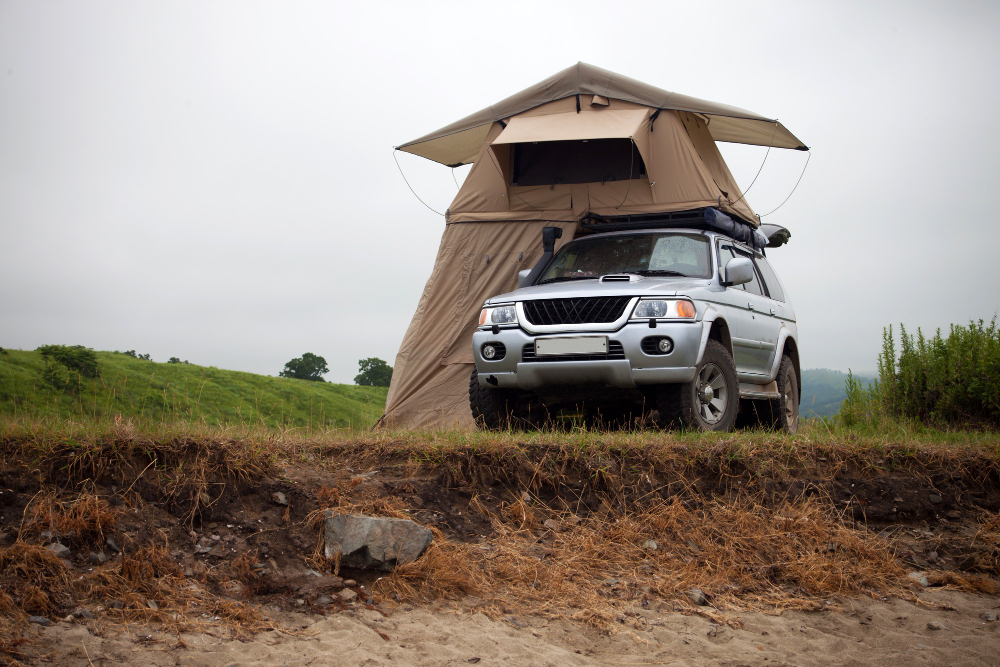
For car camping in the Philippines, an SUV, van, or 4×4 is strongly advised. Carrying all your equipment and driving on rough, unpaved provincial roads require the additional clearance and capacity. A 4×4 is essential for true off-grid excursions, and it’s a good idea to bring recovery equipment like shovels and tow straps in case you get stuck. A rooftop tent is another popular choice among enthusiasts because it’s easy to set up, provides a level sleeping surface, and provides a view away from potential ground animals.
Must-Have Gear
Here is a checklist of essential gear to pack for your remote camping trip:
Shelter and Comfort: A durable tent (or a rooftop tent), comfortable sleeping pads, pillows, and sleeping bags or blankets suitable for the tropical climate, which can get cool at night in the mountains.
Cooking: A portable camping stove with fuel, a cooler for food and drinks, cookware, and utensils.
Power and Light: Headlamps for hands-free tasks, a few lanterns for ambient light, and a portable power station or solar panel to charge your devices.
Safety and Navigation: A well-stocked first-aid kit, a detailed physical map, or a GPS with offline capabilities, as mobile data can be unreliable in remote areas. A fire extinguisher is also a good safety measure to have on hand.
Hygiene and Waste: Biodegradable soap, a portable shower (for longer trips), a trowel for digging catholes (away from water sources), and durable garbage bags to pack out all your trash.
Crucial Safety and Local Etiquette
Remote camping comes with a responsibility to both yourself and the environment. Following safety rules and local etiquette is crucial for a positive experience.
Research is Your First Step
Before you even leave home, do your homework. Check the weather forecast for your destination and the roads leading to it. Many provincial roads can become impassable after heavy rain. For remote or private land, it is vital to secure local permits or, at the very least, ask for permission from the landowner or barangay officials. This shows respect for the community and ensures your safety. Always let someone know your itinerary, and have a communication plan in case of an emergency.
Leave No Trace
“Leave No Trace” is the fundamental tenet of remote camping, which implies that you must take all of your trash with you. Make sure to properly dispose of waste and refrain from upsetting wildlife or native plants. Dig a cathole for human waste and properly bury it at least 200 feet from trails and water sources. You contribute to the preservation of these lovely locations for future campers by leaving the area as you found it (or cleaner).
Key Takeaway
Car camping in the Philippines is a great way to get away from the stresses of modern life and re-establish a connection with nature because it offers a special fusion of adventure and peace. You can discover a world of breathtaking scenery and life-changing experiences with the correct car and equipment, a little research, and a dedication to ethical camping methods. In addition to offering a change of scenery, this adventure offers the opportunity to rejuvenate and discover tranquility amidst the nation’s magnificent natural wonders.






Post Comment