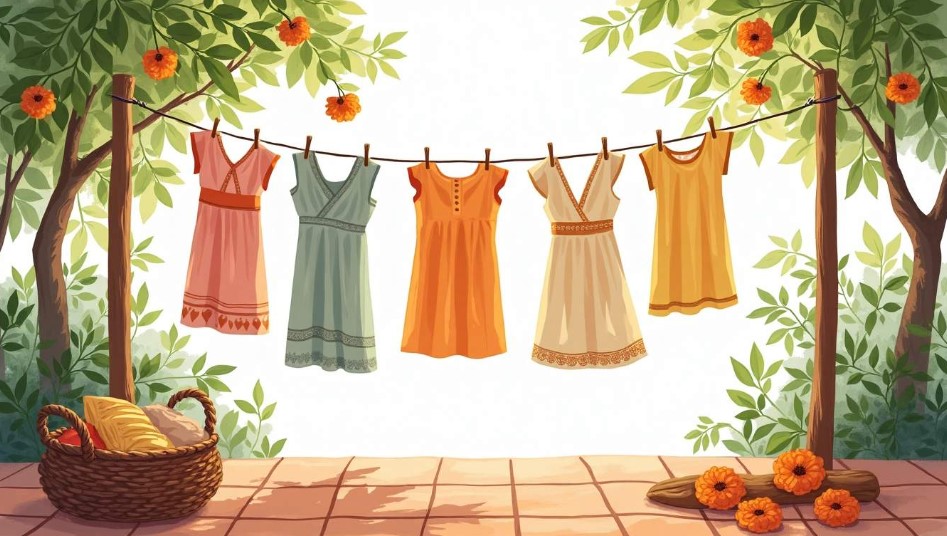
Breezy Summer Dresses in Indian Cotton
Indian cotton has long been prized for its softness, breathability, and versatility. When the temperature rises and the humidity sets in, the choice of fabric becomes as important as the cut and color of a dress. Breezy summer dresses crafted from Indian cotton offer an ideal balance of comfort and style, they keep the body cool, drape beautifully, and often come with a handcrafted charm that makes them stand out in a sea of synthetic blends.
Why Indian Cotton Works for Summer
Indian cotton, especially varieties like muslin, khadi, and handloom cotton, has natural properties that make it perfect for warm weather. The fibers are lightweight and allow air to circulate freely, evaporating sweat and regulating body temperature. The fabric absorbs moisture, reducing the clammy feeling that often accompanies humid days.
Beyond technical benefits, Indian cotton carries cultural and artisanal value. Many dresses are made using traditional techniques block printing, ikat, and handloom weaving which lend each piece an individual character. This combination of practicality and aesthetic appeal means these dresses can be worn for a relaxed day out, a casual office environment, or a low-key evening gathering.
Breathability and Comfort
The open weave found in many Indian cotton fabrics promotes ventilation. This is especially important for summer dresses, where close-fitting synthetics can trap heat and cause discomfort. Cotton fibers also wick moisture away from the skin, so even during a long day outdoors, a well-made cotton dress can feel remarkably fresh.
Durability and Ease of Care
Contrary to the idea that lightweight fabrics are fragile, many Indian cottons are surprisingly durable. Handloom and khadi fabrics, while soft, have a sturdy weave that withstands frequent wear. They also tend to become softer and more comfortable with each wash. Care is usually simple: gentle machine wash or hand wash with mild detergent, followed by air drying to preserve color and texture. For more details, visit Rooh London website to explore their exquisite collection.
Popular Styles of Summer Dresses in Indian Cotton
There is a wide range of silhouettes available in Indian cotton, each suited to different body types and occasions. Dresses range from loose, flowing maxi styles to structured shirt dresses and flirty sundresses. The key is choosing a silhouette that lets air circulate and feels effortless to wear.
Maxi Dresses
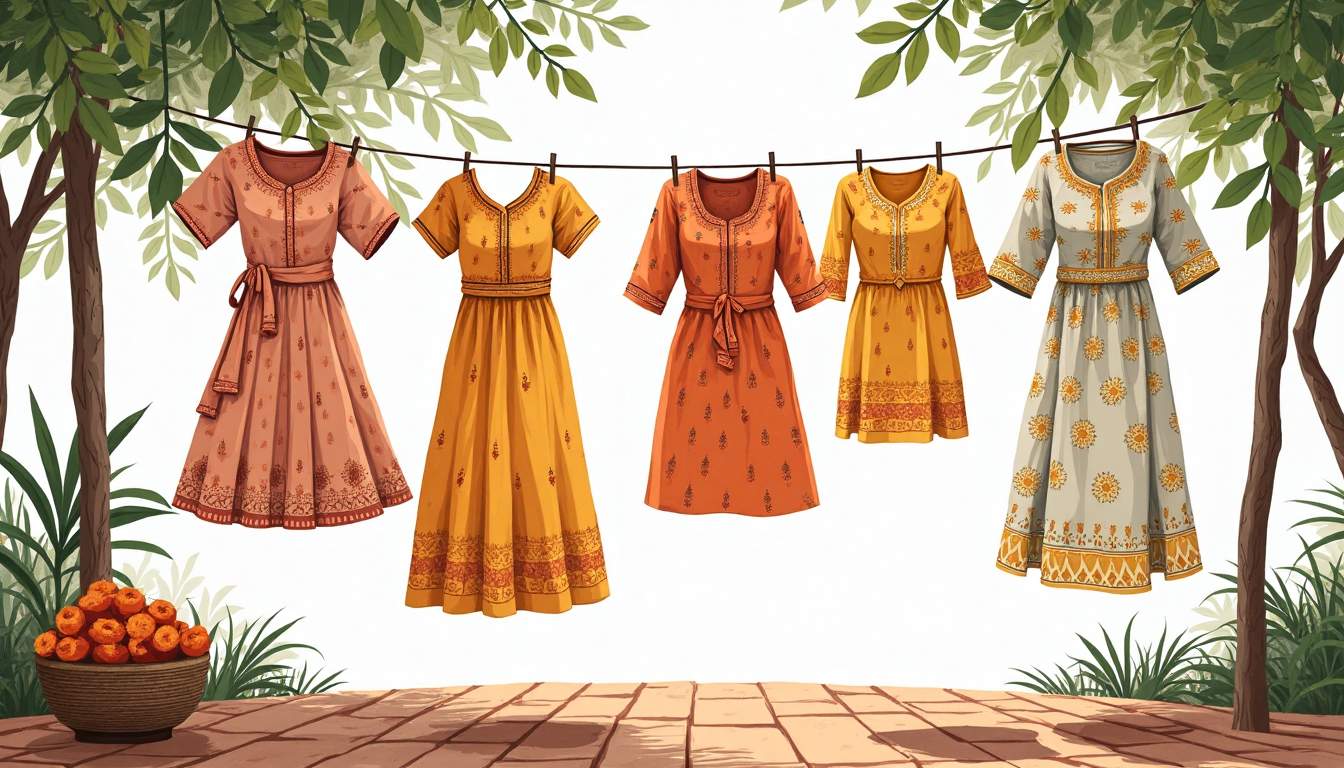
Maxi dresses made from light Indian cotton are a summer staple. Their long, flowing skirts offer ease of movement and a cooling effect as air can move between the fabric and the skin. A sleeveless or short-sleeved cotton maxi with a slightly cinched waist creates a flattering shape without clinging to the body.
These dresses often feature prints like floral motifs, paisley, or geometric designs created through block printing or screen printing. Paired with simple sandals and minimal accessories, a cotton maxi can shift seamlessly from a beachside brunch to a relaxed evening walk.
Shirt Dresses and A-Line Dresses
Shirt dresses in cotton combine structure with breathability. The button-through front and collared neckline lend polish, while the breathable fabric keeps the look summer-appropriate. A-line cotton dresses offer a tailored fit at the top and flair at the hem, creating a balance between fitted and free-flowing that flatters many figures.
Lightweight cotton shirting is ideal for a casual office setting or city errands. A neutral-toned cotton shirt dress can be dressed up with a belt and loafers or kept casual with canvas sneakers.
Sundresses and Slip Dresses
For days when the temperature climbs high, sundresses and slip dresses are invaluable. Thin straps, simple lines, and minimal layers make them one of the coolest options. Cotton voile and muslin are especially suited to these styles because they are airy and ultra-soft against the skin.
Layering can be added when needed — a lightweight cotton shrug, a denim jacket, or a breathable scarf — making these pieces versatile across changing weather and settings.
Colors, Prints, and Craft Techniques
Indian cotton dresses come in a vibrant palette that ranges from soft pastels to saturated hues. The print techniques and dyes used can dramatically alter the mood of the garment, from rustic and earthy to bright and contemporary.
Block Printing and Hand Painting
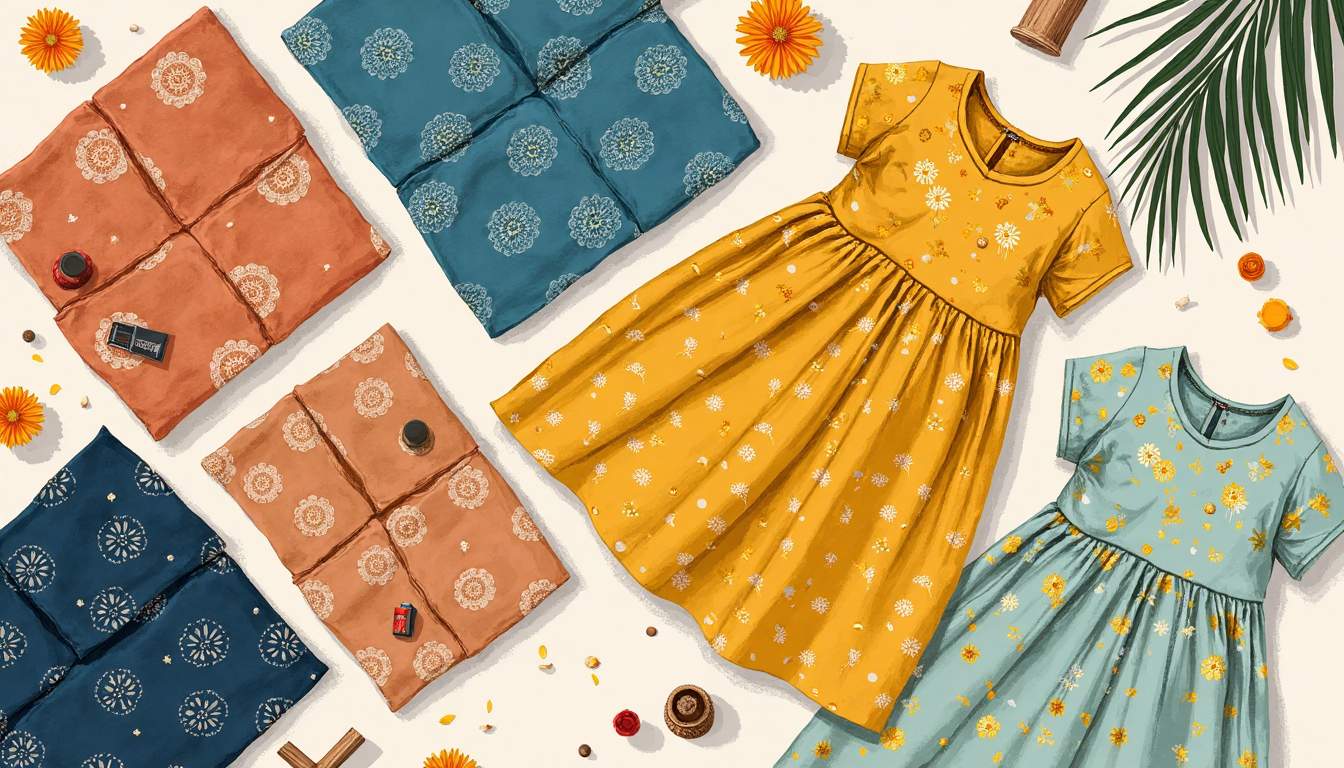
Block printing is a centuries-old craft in India that produces distinct, repetitive patterns using carved wooden blocks. The slight imperfections and variations in block-printed fabric are part of its charm, creating garments that feel handcrafted rather than mass-produced.
Hand-painted cotton dresses take that individuality further. Artisans apply color directly to the fabric with brushes or stamps, resulting in unique patterns and motifs that often reflect regional influences, such as temple motifs in South India or floral designs inspired by Mughal art.
Natural Dyes and Sustainable Practices
Many cotton dresses are dyed using natural pigments derived from plants, minerals, and other organic sources. Natural dyes often produce softer, earthy tones that age gracefully and are less likely to cause skin irritation. Brands and workshops committed to sustainability may also use low-impact processes, water recycling, and fair-wage practices for artisans.
Selecting dresses made with natural dyes and responsible production methods supports both environmental conservation and artisan communities. Such choices often result in garments that have stories woven into their fibers — a connection between the wearer and the maker.
How to Choose the Right Cotton Dress
Finding the perfect summer dress involves more than selecting a pretty print. Consider fabric weight, weave, and construction details to ensure the dress will be comfortable throughout hot days and casual evenings.
Check the Fabric Weight and Weave
Fabrics like muslin and cotton voile are extremely lightweight and breathable, while handloom cotton and khadi offer more texture and a slightly heavier feel. For extremely hot climates, prioritize lightweight weaves. For breezy summer evenings or air-conditioned spaces, a slightly heavier handloom cotton may provide more comfort while still breathing well.
Fit and Cut Considerations
Look for cuts that allow movement and airflow. Dresses with A-line silhouettes, gathered skirts, or pleats offer space for air circulation. Avoid clingy fabrics or tight waistbands that can create discomfort on sweltering days. Adjustable features like drawstrings, ties, or belts add flexibility and help customize fit without sacrificing comfort.
Details That Make a Difference
Small construction details can affect how a dress performs in the heat. Side slits, open backs, and vented hems increase airflow. Natural buttons, wooden toggles, and breathable linings help maintain the lightweight character of the garment. Pockets add practicality without bulk if they are cut into lighter styles.
Styling Tips for Everyday Wear
Styling a cotton summer dress is about enhancing its ease and understated elegance. Accessories should complement the relaxed nature of the fabric while adding functional value for sun-soaked days.
Footwear and Accessories
Sandals, espadrilles, and lightweight canvas sneakers pair naturally with cotton dresses. For a slightly dressier look, simple leather sandals or block-heeled mules work well. Accessories like woven straw hats, canvas tote bags, and cotton scarves enhance the summer aesthetic while providing sun protection and utility.
Layering Without Overheating
When layering, choose pieces that are just as breathable as the dress. A thin cotton or linen shirt worn open over a sundress, a lightweight kimono, or a cropped denim jacket can provide coverage without trapping heat. In the evening, a fine-knit cotton cardigan will add warmth with minimal bulk.
Care and Longevity
Proper care extends the life of a cotton dress and helps preserve color and texture. Gentle handling, mindful washing, and careful storage keep garments looking fresh season after season.
Washing and Drying
Hand washing or a gentle machine cycle with mild detergent protects the fabric and any prints or embellishments. Avoid harsh bleach that can weaken fibers and fade color. After washing, air dry in shade to prevent sun-bleaching and to preserve natural dyes. If ironing is needed, a medium setting or steam will smooth out wrinkles without harming the weave.
Storing and Mending
Store dresses in a cool, dry place away from direct sunlight. Hanging is suitable for structured styles, while foldable soft cottons can be stacked with tissue to prevent creases. Promptly mend small tears or loose seams to prevent further damage; a simple repair can extend a dress’s life and keep it looking cared for.
Where to Find Authentic Pieces
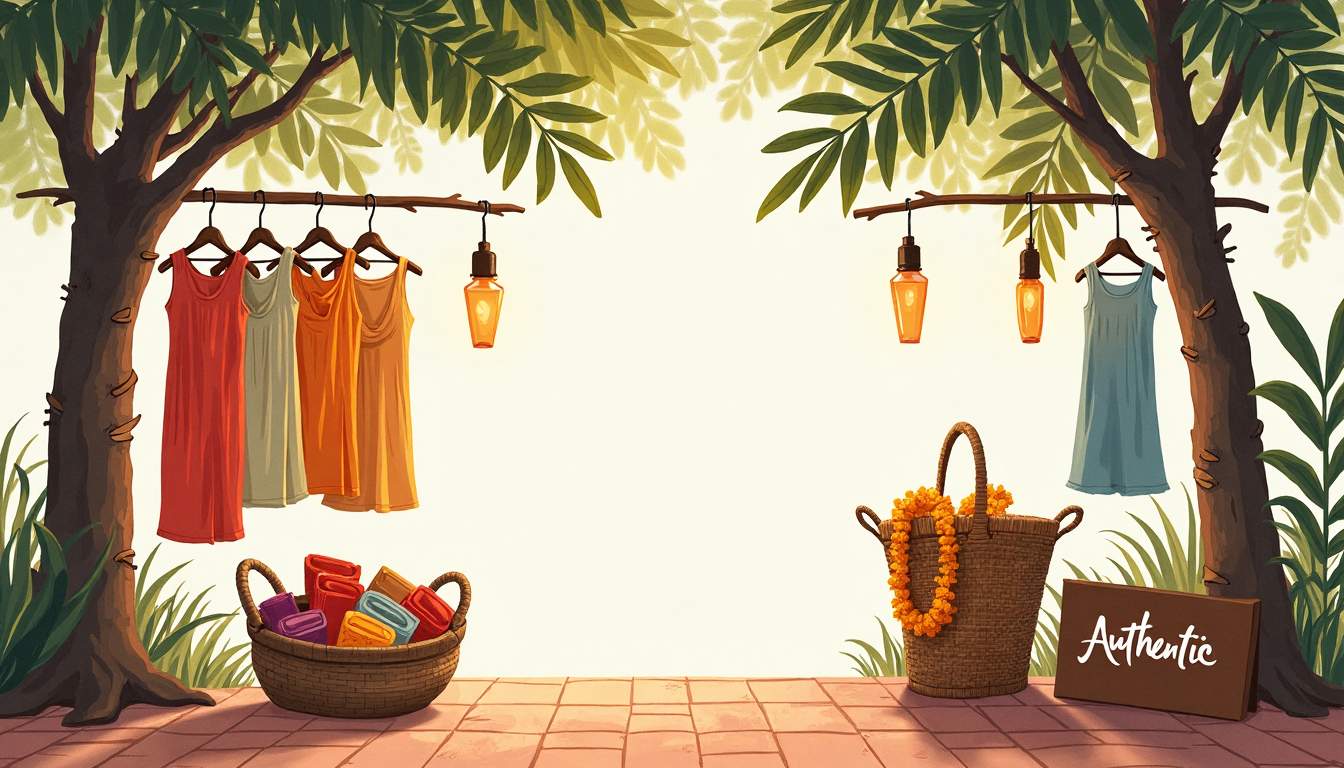
Authentic Indian cotton dresses can be found through a variety of sources, from local markets and artisan cooperatives to online boutiques that partner directly with weavers and craftsmen. Prioritizing sellers who provide transparency about material origin and production methods helps ensure quality and fair practices.
Supporting Artisans and Ethical Brands
Look for brands that highlight artisan involvement, fair wages, and sustainable production. Many small-scale workshops share the stories of the communities behind the textiles, offering insight into the craft traditions and regional specialties. Purchasing from these makers keeps traditional skills alive while fostering livelihoods.
Custom and Tailored Options
For an exact fit and preferred design details, custom tailoring is an excellent option. Many tailors and independent designers work with Indian cotton, creating dresses that match exact measurements and stylistic preferences. This route often results in a garment that feels personal and well-suited to the wearer’s lifestyle.
Final Thoughts
Breezy summer dresses in Indian cotton pair timeless comfort with cultural richness. They offer practical solutions to heat and humidity while showcasing craftsmanship and sustainable practices. Whether drawn to block-printed florals, handloom textures, or the soft gauze of muslin, choosing a cotton dress is a choice for comfort, durability, and a graceful summer aesthetic.
These dresses invite relaxed confidence: pieces that move easily with the day, breathe beautifully, and gain character through wear. Thoughtfully selected and properly cared for, a favorite Indian cotton dress can become a summer wardrobe cornerstone for years to come.







Post Comment