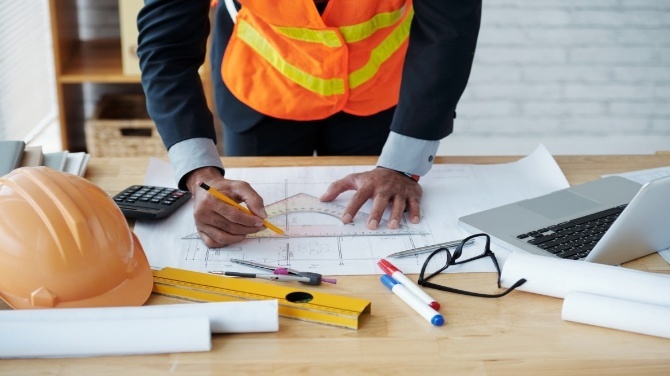
Blending Old and New: Historic Home Remodeling Near Mobile AL
Mobile, Alabama, is a city steeped in history — from its antebellum mansions and Creole cottages to charming craftsman bungalows. These homes, with their character-rich details and architectural legacy, represent more than just buildings; they reflect the cultural and historical identity of the region. Yet, living in a historic home also comes with unique challenges — outdated systems, wear and tear, and layout limitations often call for modernization. That’s where thoughtful remodeling comes in.
Blending old and new in historic home remodeling near Mobile AL requires a balanced approach — one that respects the past while embracing the comforts and efficiencies of modern living. In this article, we’ll explore how homeowners can successfully merge timeless architecture with updated design, creating homes that are both functional and faithful to their roots.
1. Understanding the Value of Historic Homes
Historic homes are valued not only for their craftsmanship but also for the stories they tell. Original hardwood floors, ornate moldings, vintage fireplaces, and tall ceilings are features that give these properties their irreplaceable charm. Preserving these details can add immense value — both emotionally and financially — to a property.
In Mobile, many neighborhoods are listed on the National Register of Historic Places or fall within preservation zones, adding even more importance to maintaining historical integrity during remodeling.
2. Starting with a Respectful Plan
The first step in remodeling a historic home is creating a design plan that identifies which elements should be preserved and which can be updated. For instance:
-
Keep: Original brickwork, trim, windows, and floorboards.
-
Update: Plumbing, electrical systems, HVAC, and insulation.
It’s important to work with architects and contractors who specialize in historic properties. They understand how to integrate new technologies and layouts while preserving heritage features — and they’re familiar with Mobile’s local preservation guidelines and permitting process.
3. Modernizing Without Compromising Character
One of the most rewarding aspects of historic home remodeling is finding creative ways to introduce modern amenities without losing historical charm. Some proven strategies include:
-
Open-Concept Living: Carefully removing or widening doorways can create flow without gutting historic walls.
-
Kitchen Upgrades: Install energy-efficient appliances and cabinetry that echo the home’s original style.
-
Bathroom Remodeling: Use classic materials like subway tiles or clawfoot tubs paired with modern fixtures.
Lighting, smart home systems, and energy-efficient windows can also be incorporated discreetly to enhance comfort while maintaining aesthetics.
4. Sourcing Materials with Care
Using the right materials is key to maintaining authenticity. Salvaged wood, reclaimed bricks, and vintage-style fixtures can help ensure consistency with the original home design. In Mobile, there are local salvage yards, antique shops, and restoration specialists that can help homeowners match materials to their home’s era.
Additionally, custom millwork and reproduction pieces can be used when original features are damaged beyond repair.
5. Preservation Laws and Local Guidelines
Historic remodeling near Mobile may require compliance with local regulations, especially if the property is located in a historic district. The Architectural Review Board (ARB) and Mobile Historic Development Commission (MHDC) often oversee changes to exterior facades, roofing, windows, and structural alterations.
Before beginning any remodel, homeowners should:
-
Confirm if their home is in a protected district.
-
Apply for the necessary permits.
-
Work with professionals familiar with local codes and historic preservation rules.
Staying within these guidelines ensures the home retains its historical designation and avoids potential fines or legal issues.
6. Enhancing Functionality for Modern Living
While preserving history is a priority, historic homes must still serve the needs of today’s families. This may include:
-
Adding storage without altering original built-ins
-
Creating multi-functional rooms (e.g., office/guest room combinations)
-
Improving accessibility for older homeowners or those with mobility concerns
Smart home integrations, improved insulation, and more efficient HVAC systems are also common upgrades that improve daily comfort while reducing long-term energy costs.
7. Choosing the Right Contractor
Not every contractor is suited for historic renovations. Homeowners should look for remodeling professionals with proven experience in working on older properties. The ideal contractor will:
-
Understand traditional building techniques
-
Know how to handle lead paint or asbestos safely
-
Coordinate with preservation boards and city planners
-
Respect the craftsmanship and details that make the home unique
A well-executed remodel should feel like a natural evolution of the home — not a drastic departure from its original identity.
8. The Rewards of Historic Home Remodeling
Though the process can be more complex than a standard renovation, the rewards are often far greater. A well-remodeled historic home:
-
Retains its architectural charm
-
Functions like a modern home
-
Increases in value
-
Contributes to the cultural fabric of the community
For many in Mobile, remodeling a historic home is more than a construction project — it’s a way to participate in the city’s living history.
Final Thoughts
Blending the old and new in historic home remodeling is both an art and a science. It requires patience, vision, and a deep appreciation for architectural heritage. For homeowners embarking on Historic Home Remodeling Near Mobile AL, the goal should be to honor the past while building for the future — one room, beam, and brick at a time.








Post Comment