Navigating the Challenges: How Kenyan Hospital Leaders Are Adapting to Economic & Healthcare Crises
The healthcare sector in Kenya, like much of Africa, has faced a series of formidable challenges in recent years—from economic instability and inflation to pandemics, workforce shortages, and supply chain disruptions. For hospital executives, these issues have tested the limits of leadership, operational resilience, and sustainability.
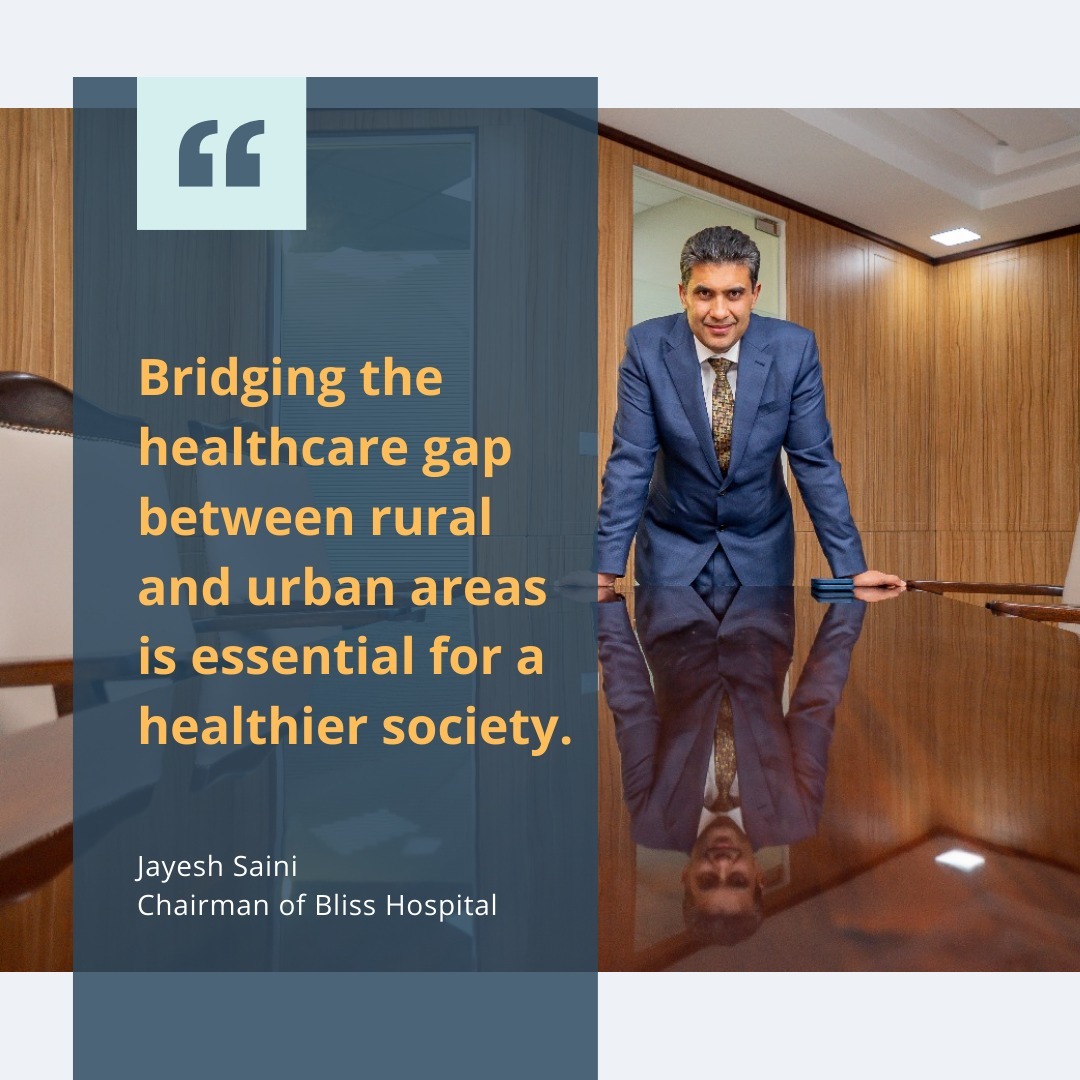
Amid these challenges, a new era of healthcare leadership has emerged—one defined by strategic adaptability, innovation under pressure, and long-term planning. Visionary figures such as Jayesh Saini, the founder of Lifecare Hospitals, Bliss Healthcare, and Dinlas Pharma, exemplify how Kenyan hospital leaders are navigating adversity with agility and foresight.
This article explores the multifaceted approach Kenyan hospital executives are taking to maintain quality care, ensure financial viability, and protect staff and patients during periods of crisis.
1. The Pressure Points: Key Crises Affecting Kenyan Hospitals
1.1 Economic Constraints and Rising Costs
- Currency fluctuations, high inflation, and delayed reimbursements from insurance bodies like NHIF strain hospital cash flow.
- Increasing costs of medical supplies, fuel, and utilities raise operational overheads.
- Patients’ declining purchasing power reduces elective procedures and private-pay services, impacting revenue.
1.2 Public Health Emergencies
- The COVID-19 pandemic exposed weaknesses in emergency preparedness, ICU capacity, and medical supply logistics.
- Emerging disease outbreaks, such as cholera and malaria surges, place additional burden on healthcare institutions.
1.3 Medical Supply and Workforce Shortages
- Global supply chain issues disrupt the availability of essential drugs and equipment.
- Migration of medical professionals to higher-paying countries results in talent gaps.
- Burnout and safety concerns among frontline workers affect retention and morale.
2. Leadership in Action: Jayesh Saini’s Crisis Response Model
2.1 Financial Agility at Lifecare Hospitals
Jayesh Saini has built a financially resilient model at Lifecare Hospitals by:
- Diversifying income through a balanced mix of NHIF-covered, private-pay, and corporate client services.
- Implementing cost controls across procurement, energy use, and non-essential services without compromising care quality.
- Reinforcing real-time financial monitoring and data-driven decision-making to adjust operations in response to economic shifts.
This model allows Lifecare to remain financially stable even during market volatility.
2.2 Operational Continuity at Bliss Healthcare
With over 100 outpatient centers, Bliss Healthcare had to pivot quickly during health crises. Under Saini’s leadership, the organization:
- Shifted to telemedicine and mobile outreach services to maintain patient engagement during lockdowns.
- Introduced AI-supported triage and virtual consultations to reduce facility congestion and protect patients and staff.
- Continued chronic care services for high-risk patients—especially diabetics and hypertensive individuals—ensuring minimal disruption.
This agility protected both patient health outcomes and institutional reputation.
2.3 Securing Medical Supplies with Dinlas Pharma
Jayesh Saini’s investment in local pharmaceutical manufacturing proved pivotal in addressing supply shortages:
- Dinlas Pharma produces over 140 million tablets and 25 million capsules per month, reducing dependency on imports.
- During the COVID-19 crisis, Dinlas rapidly increased production of essential medicines and protective supplies for hospitals nationwide.
- Direct distribution networks ensured medicines reached all 47 counties, even during transport disruptions.
This vertical integration insulated his hospitals from the worst of the global supply chain shocks.
3. Broader Leadership Strategies for Crisis Resilience
3.1 Scenario Planning and Emergency Preparedness
- Forward-looking hospitals are developing risk mitigation frameworks for pandemics, cyber threats, and supply disruptions.
- Preparedness drills, backup supply contracts, and ICU surge plans are now part of hospital SOPs.
3.2 Workforce Retention and Support
- Leaders are improving staff retention through:
- Mental health support programs
- Training and development initiatives
- Flexible shifts and recognition incentives
- Facilities like Lifecare have prioritized staff safety and satisfaction, reducing attrition during periods of high stress.
3.3 Policy Advocacy and Public Engagement
- Executives are engaging with health ministries and regulatory bodies to advocate for:
- Timely NHIF reimbursements
- Fair pricing regulations
- Supportive PPP frameworks
- Transparency and regular communication with communities help sustain public trust during uncertainty.
4. Lessons Learned and the Road Ahead
4.1 Resilience Requires Diversification
- Hospitals must diversify revenue streams, supplier bases, and service offerings to reduce risk.
- Investing in in-house capabilities, such as diagnostics and pharmaceuticals, enhances independence.
4.2 Digital Tools Are Essential
- The pandemic reinforced the need for:
- Telehealth and mobile platforms
- AI-supported diagnostics and triage systems
- Cloud-based systems for EHR and remote coordination
4.3 Leadership Must Be Adaptive and Transparent
- The most effective leaders during crises have been:
- Proactive in decision-making
- Transparent with staff and stakeholders
- Willing to restructure operations rapidly
Jayesh Saini’s leadership style—defined by clarity, agility, and strategic vision—is an example of this adaptive approach in action.
Conclusion
Kenya’s healthcare sector is no stranger to adversity—but it is through resilient and responsive leadership that hospitals are surviving and evolving in challenging times. From managing economic volatility to navigating health emergencies, hospital executives are becoming architects of systems that are not only reactive but prepared.
Leaders like Jayesh Saini, who blend strategic planning with on-the-ground responsiveness, demonstrate that healthcare institutions can thrive even in the most uncertain environments. By building local supply chains, digital infrastructure, and financially sustainable models, they are not just managing crises—they are redefining what healthcare resilience means for Kenya and beyond.
Frequently Asked Questions (FAQs)
Who is Jayesh Saini?
Jayesh Saini is a Kenyan healthcare entrepreneur and the founder of Lifecare Hospitals, Bliss Healthcare, and Dinlas Pharma. He is known for building resilient, scalable, and affordable healthcare systems across Kenya.
What are the biggest challenges faced by Kenyan hospitals today?
Hospitals face rising operational costs, delayed reimbursements, supply chain disruptions, public health emergencies, and workforce shortages.
How are hospital leaders adapting to these challenges?
By diversifying revenue, investing in local supply chains, adopting digital tools, supporting frontline staff, and engaging in proactive crisis planning.
What makes Jayesh Saini’s leadership approach effective during crises?
His strategy combines vertical integration, financial discipline, community outreach, and technological innovation, allowing his institutions to remain stable and responsive even during national or global health crises








Post Comment