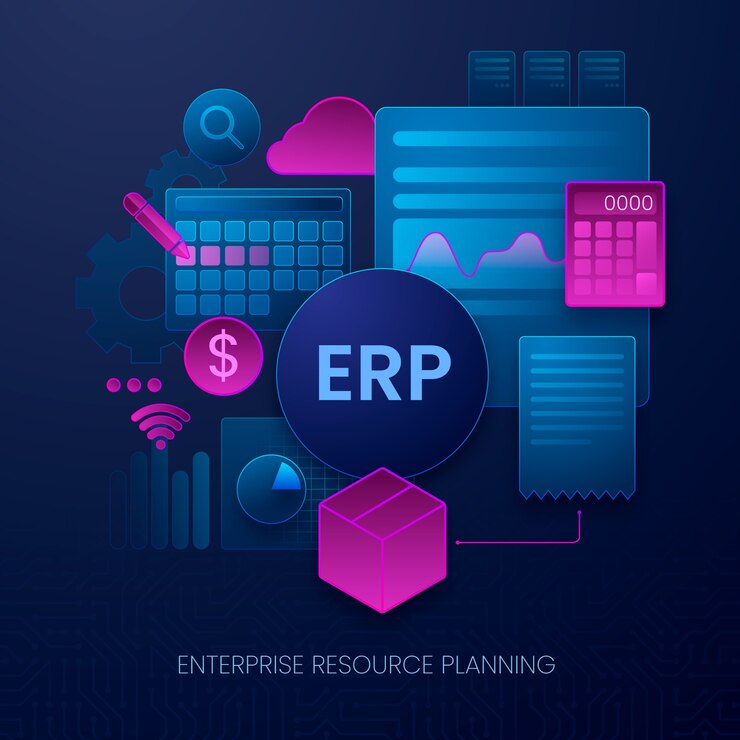
Strategic Tech: Choosing ERP for UAE Triumph
In today’s fast-evolving business world, efficiency, data-driven decisions, and sustained growth are paramount. For companies operating in dynamic hubs like Dubai, embracing cutting-edge technology isn’t just an option—it’s a necessity. At the forefront of this technological advancement is Enterprise Resource Planning (ERP) software. This powerful tool promises to unify operations, enhance visibility, and provide a strong foundation for scaling your business. Understanding what ERP software entails, its specific relevance in Dubai, and how to identify the best ERP software in UAE are crucial steps for any organization aiming for a competitive edge and long-term success.
The Power of ERP Software
At its core, ERP software is a comprehensive system designed to integrate and manage all the essential functions of a business. Imagine your company as a complex machine with many moving parts: finance, human resources, sales, inventory, manufacturing, and customer service. Without ERP, these parts often work in isolation, using separate systems and databases. This fragmented approach frequently leads to inefficiencies, duplicate efforts, inaccurate data, and a lack of a unified view of the business.
ERP software breaks down these traditional silos. It does this by using a centralized database that captures and processes data from every department. This means that when an action occurs in one area – for example, a sales order is placed – that information instantly updates across all relevant modules, like inventory, finance, and production. This real-time data sharing is transformative. It ensures that everyone in the organization operates with the most current and accurate information, leading to better-informed and faster decision-making.
The range of functionalities typically covered by ERP software is extensive, often including:
- Financial Management: This module is the backbone, handling general ledger, accounts payable and receivable, budgeting, forecasting, asset management, and comprehensive financial reporting. It offers a live snapshot of your company’s financial health, crucial for managing cash flow and ensuring compliance.
- Human Resources (HR): From recruitment and onboarding to payroll, benefits administration, performance management, and talent development, the HR module centralizes all employee-related data and processes, streamlining HR operations and ensuring adherence to labor laws.
- Supply Chain Management (SCM): This vital module oversees the entire flow of goods and services, from raw materials to final products. It includes procurement, inventory control, warehousing, logistics, and demand planning. An effective SCM module optimizes your supply chain, reduces costs, and improves delivery times.
- Manufacturing and Production: For manufacturing firms, this module is essential. It supports production scheduling, material requirements planning (MRP), quality control, and shop floor management, helping to optimize production processes and minimize waste.
- Customer Relationship Management (CRM): Often integrated into ERP, this module manages customer interactions, sales pipelines, marketing campaigns, and customer service. Its aim is to enhance customer satisfaction and drive sales growth through improved relationship management.
- Project Management: For organizations that run on projects, this module helps in planning, tracking, and managing project tasks, resources, budgets, and deadlines, ensuring projects are completed efficiently and within budget.
- Reporting and Business Intelligence (BI): A significant advantage of integrated ERP is its ability to generate powerful reports and analytics. With all data consolidated, businesses can create customized dashboards, track key performance indicators (KPIs), and identify trends, empowering data-driven strategic planning and operational adjustments.
The benefits of adopting ERP software are numerous, including increased operational efficiency through automation, reduced costs by optimizing resource use and minimizing errors, improved data accuracy and integrity, better regulatory compliance, and most importantly, a holistic, real-time view of the business that fosters agility and informed decision-making. Investing in ERP is an investment in your organization’s future scalability and sustained growth.
ERP Software Dubai: A Crucial Investment
For businesses operating in the vibrant and competitive landscape of ERP software Dubai, embracing a robust ERP solution is not just an option but a critical strategic investment. Dubai, as a leading global business hub, is characterized by rapid economic diversification, technological advancement, and a relentless pursuit of efficiency. In such an environment, an ERP system becomes indispensable for navigating complexities and capitalizing on growth opportunities.
Several factors highlight the heightened importance of ERP software for companies in Dubai:
- Dynamic Economic Growth: Dubai’s economy is undergoing significant diversification, with massive investments in sectors like technology, logistics, tourism, finance, and advanced manufacturing. Each of these industries, with its unique operational demands, greatly benefits from the integrated capabilities and operational efficiencies offered by ERP.
- Global Trading Gateway: As a major international trade and re-export hub, businesses in Dubai frequently handle multi-currency transactions, manage complex import/export procedures, and deal with diverse global supply chains. ERP systems are vital for streamlining these intricate financial and logistical processes, ensuring compliance with both international and local trade regulations.
- Regulatory Compliance: The UAE’s regulatory framework, particularly regarding financial reporting (e.g., VAT implementation, audits) and labor laws, is continuously evolving. A strong ERP system with localized features ensures businesses maintain accurate records, generate compliant reports, and adapt quickly to new regulations, thereby minimizing risks and ensuring smooth operations.
- Competitive Business Environment: The Dubai market is intensely competitive, with many local and international players vying for market share. Operational excellence, superior customer service, and efficient resource utilization are key differentiators. ERP software provides the tools to optimize these areas, from streamlining sales and service processes to enhancing supply chain efficiency, thus offering a significant competitive edge.
- Digital Transformation Agenda: The UAE government’s strong initiatives towards digital transformation (e.g., Smart Dubai) actively encourage businesses to adopt advanced technologies. There’s a growing preference for cloud-based ERP solutions due to their inherent scalability, flexibility, and reduced need for significant upfront IT infrastructure investments. Cloud ERP also facilitates remote accessibility, crucial in a globally connected economy.
Implementing the right ERP software in Dubai can significantly enhance a company’s agility, responsiveness to market changes, and long-term sustainability. It empowers businesses to make data-driven decisions that are vital for staying ahead in this dynamic and fast-paced market.
Finding the Best ERP Software in UAE
The quest for the best ERP software in UAE requires careful consideration, as the market offers a diverse range of solutions from global leaders to specialized local providers. The “best” choice is highly subjective and depends entirely on a company’s unique industry, size, budget, specific functional requirements, existing IT infrastructure, and long-term strategic goals.
Here’s a guide to identifying the ideal ERP solution for your business in the UAE:
- Assess Your Specific Needs: Before looking at software, thoroughly evaluate your current business processes, identify pain points, and define your future requirements. What problems do you need to solve? What specific functions are critical (e.g., advanced manufacturing, complex HR, multi-company financials)?
- Consider Industry Fit: Some ERP systems are generalist, while others offer deep, pre-configured functionalities for specific industries like retail, construction, healthcare, or logistics. Industry-specific solutions can reduce customization needs and accelerate time-to-value.
- Cloud vs. On-Premise:
- Cloud ERP: Increasingly popular in the UAE due to lower upfront costs, faster deployment, remote accessibility, automatic updates, and scalability. Ideal for businesses seeking agility and reduced IT overhead.
- On-Premise ERP: Managed internally on your own servers. Offers more control over data and customization, but requires significant IT infrastructure and staff. Suitable for very large enterprises with specific security or regulatory mandates.
- Scalability and Flexibility: Choose a system that can grow with your business. It should be able to handle increased transaction volumes, additional users, and new modules as your company expands in the UAE or internationally.
- Integration Capabilities: Ensure the ERP can seamlessly integrate with your existing critical systems (e.g., e-commerce platforms, CRM if separate, specialized industry tools, payment gateways). Data flow between systems is crucial for efficiency.
- Local Support and Implementation Partner: This is paramount in the UAE. Partner with an ERP vendor or consultant who has:
- Proven track record in the UAE: Experience with local business practices, cultural nuances, and regulatory compliance (e.g., VAT, labor laws).
- Strong local presence: For on-site support, training, and quicker response times.
- Industry expertise: A partner familiar with your sector’s specific challenges and best practices.
- Robust post-implementation support: Ongoing maintenance, updates, and help desk services are vital for long-term success.
- User-Friendliness and Training: The best software is useless if your employees can’t use it effectively. Look for an intuitive interface and ensure the vendor/partner provides comprehensive training.
- Total Cost of Ownership (TCO): Beyond initial licensing/subscription and implementation fees, consider ongoing costs like maintenance, support, upgrades, and potential customizations over several years. Request transparent pricing.
- Vendor Reputation and References: Research the vendor’s financial stability and market reputation. Ask for references from other companies in the UAE, preferably in your industry, who have implemented their ERP solution.
Prominent ERP solutions in the UAE market include global players like SAP (e.g., S/4HANA), Oracle (e.g., ERP Cloud, NetSuite), Microsoft Dynamics 365, and Infor. There are also reputable local and regional ERP providers that offer tailored solutions for specific segments of the UAE market. A thorough evaluation process, involving key stakeholders from all departments, is crucial for making an informed decision that aligns with your strategic business objectives.
Conclusion
Embracing ERP software is a pivotal step for any business aiming to achieve operational excellence and sustained growth in today’s digital age. For organizations operating in the highly competitive and rapidly evolving landscape of Dubai, selecting and implementing the best ERP software in UAE is no longer just an advantage but a fundamental requirement for success. By unifying processes, providing actionable insights, and ensuring regulatory compliance, the right ERP system empowers businesses to navigate challenges, seize opportunities, and ultimately, build a resilient, efficient, and future-ready enterprise capable of thriving in the global marketplace.
Frequently Asked Questions (FAQs)
-
What is the main difference between ERP software and individual business applications? ERP software integrates multiple business functions (like finance, HR, inventory) into a single system with a shared database, providing a unified view. Individual applications handle specific functions but often operate in silos, requiring manual data transfer or complex integrations.
-
How can ERP software help my business with VAT compliance in the UAE? A properly configured ERP system automates the tracking of all financial transactions, applies VAT rules automatically, and generates VAT-compliant invoices and reports. This significantly simplifies the process of filing VAT returns and ensures adherence to FTA regulations, reducing the risk of errors and penalties.
-
Is it better to choose a global ERP vendor or a local one in the UAE? Both have pros and cons. Global vendors offer extensive features and scalability, often with international best practices. Local vendors or partners might offer more personalized service, deeper understanding of local regulations and culture, and potentially faster on-site support, which can be crucial for smooth implementation in the UAE.
-
What’s the typical cost range for ERP software in the UAE? The cost varies significantly. It depends on factors like the software vendor, the number of modules implemented, the number of users, deployment model (cloud vs. on-premise), and customization needs. It can range from affordable subscription models for SMEs to multi-million AED investments for large enterprises.
-
How can I prepare my team for a new ERP software implementation? Effective preparation involves clear communication about the benefits of the new system, involving key users in the selection and planning phases, providing comprehensive training tailored to different roles, addressing concerns proactively, and securing strong leadership support to champion the change.








Post Comment