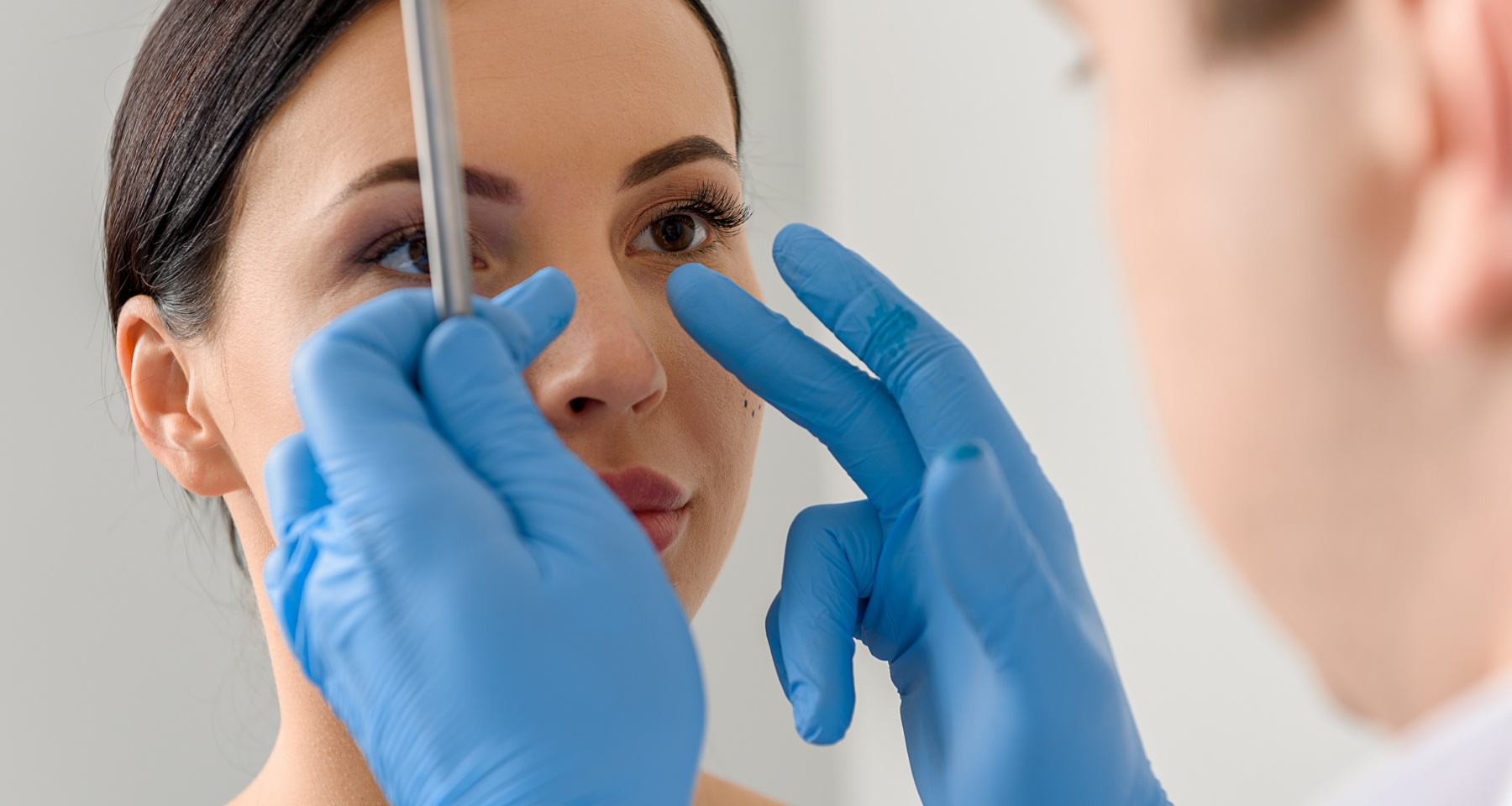
Can I Still Breathe Normally After Rhinoplasty?
When considering nose reshaping surgery, a common concern is whether breathing will remain the same—or even improve—afterward. While cosmetic results often dominate discussions, the functionality of the nose is equally important. In fact, the ideal outcome of Rhinoplasty in Islamabad includes not only aesthetic enhancement but also preservation—or improvement—of nasal airflow.
In this comprehensive article, we will explore how modern rhinoplasty techniques ensure normal breathing, what risks to be aware of, and how to choose the right surgeon in Islamabad to achieve both beauty and breathability.
Understanding Nasal Anatomy and Its Role in Breathing
Before diving into surgery specifics, it’s essential to grasp how the nose functions:
-
Nasal Septum: A wall of cartilage that separates the nostrils. If deviated, it may obstruct airflow.
-
Turbinates: Structures inside the nose that help warm and filter the air.
-
Nasal Valves: The narrowest parts of the nasal airway, which can collapse post-surgery if not carefully preserved.
-
Nasal Tip & Bridge: While reshaped for aesthetics, changes here can affect internal airways if poorly executed.
This interconnected system must be treated holistically during rhinoplasty to maintain function.
Types of Rhinoplasty and Their Impact on Breathing
1. Cosmetic Rhinoplasty
Focuses on reshaping the nose’s appearance. If performed without attention to function, it may narrow airways or disrupt nasal valves.
2. Functional Rhinoplasty
Aimed specifically at improving breathing. Often combined with cosmetic rhinoplasty for dual benefit.
3. Septorhinoplasty
Addresses both cosmetic issues and a deviated septum, providing the most comprehensive approach to form and function.
In Islamabad, many top surgeons offer combined procedures to ensure patients breathe just as well—if not better—after surgery.
Can Rhinoplasty Actually Improve Breathing?
Yes—if structural issues like a deviated septum or collapsed nasal valves are addressed. Patients in Islamabad who underwent functional or septorhinoplasty often report better breathing post-op due to:
-
Realignment of nasal structures
-
Improved symmetry of nasal airflow
-
Reduction of internal obstructions
Many of these procedures are done under the same surgery session as cosmetic enhancements, without significantly extending recovery time.
When Breathing May Be Affected (And How to Avoid It)
Though rare with experienced surgeons, breathing issues post-rhinoplasty can arise due to:
| Potential Cause | Impact on Breathing |
|---|---|
| Over-reduction of nasal bridge | Weakens support, leading to collapse |
| Poor tip support or rotation | Disrupts airflow through internal valves |
| Scar tissue formation | May narrow internal nasal passage |
| Untreated deviated septum | Continues to block airflow after cosmetic work |
To avoid these outcomes, patients must choose a skilled surgeon who understands both cosmetic artistry and nasal physiology.
Why Islamabad Is Gaining Recognition in Functional Aesthetic Rhinoplasty
The capital city has witnessed a surge in advanced rhinoplasty centers that blend cosmetic precision with medical integrity. Surgeons are increasingly trained in functional aspects of rhinoplasty—often having backgrounds in ENT (Ear, Nose, and Throat) surgery.
This unique combination ensures:
-
Aesthetic outcomes without sacrificing breathing
-
Customized plans for individuals with breathing difficulties
-
Technology like 3D imaging to visualize impact on nasal function
What to Discuss With Your Surgeon Before Surgery
Patients considering Rhinoplasty in Islamabad should come prepared with questions during consultation. Key things to ask include:
-
Will the surgery address any breathing concerns I already have?
-
What is your approach to preserving or improving nasal airflow?
-
Have you performed functional rhinoplasty before?
-
Can you show before-and-after cases of patients with similar anatomy?
Transparent communication sets the foundation for a well-planned and safe procedure.
Post-Operative Breathing: What to Expect
Immediately After Surgery:
-
Expect some nasal congestion due to internal swelling.
-
Breathing through the nose may be difficult for 1–2 weeks.
-
Splints or packing may temporarily block airflow.
2–4 Weeks Post-Surgery:
-
Swelling begins to subside.
-
Breathing improves gradually.
-
Nasal passages start opening up.
3+ Months Post-Surgery:
-
Full breathing function should return.
-
Many patients report better airflow than before, especially if functional corrections were included.
Tips to Ensure Smooth Breathing Recovery
-
Follow surgeon instructions: Avoid strenuous activities early on.
-
Use saline sprays: Keeps nasal passages moist and aids healing.
-
Avoid blowing your nose: For at least two weeks post-op.
-
Sleep elevated: Reduces swelling and helps ease breathing.
-
Attend all follow-ups: Your surgeon will monitor healing and intervene if necessary.
Real Patient Experiences From Islamabad
Zara A., 26, Islamabad
“I had always struggled with a deviated septum and was also self-conscious about my wide nasal bridge. My surgeon corrected both. I breathe better now than ever.”
Ali R., 33, Rawalpindi
“I was afraid I’d lose the ability to breathe through my nose. My doctor assured me and walked me through the entire functional plan. Three months later, everything is smooth.”
Maria K., 29, Islamabad
“My breathing was congested for the first few weeks, which I expected. But now, it’s back to normal, and my nose looks amazing!”
What If You Still Have Trouble Breathing After Rhinoplasty?
Occasionally, patients may experience:
-
Prolonged swelling
-
Scar tissue complications
-
Internal valve collapse
-
Uncorrected septal deviation
In such cases, revision rhinoplasty may be needed. Islamabad is home to experienced surgeons who specialize in secondary procedures, which are more complex but highly effective when done correctly.
The Role of Imaging and Simulation in Ensuring Functional Outcomes
Advanced clinics in Islamabad now offer 3D imaging tools to simulate not just the cosmetic appearance but also airflow dynamics. This helps:
-
Plan precise surgical steps
-
Avoid narrowing of airways
-
Set realistic expectations
Such innovation ensures a more science-backed approach to both form and function.
Comparing Islamabad With Other Cities
| City | Functional Rhinoplasty Availability | Average Cost (PKR) |
|---|---|---|
| Islamabad | High (ENT-trained surgeons common) | 200,000–350,000 |
| Lahore | Moderate | 180,000–300,000 |
| Karachi | High | 220,000–400,000 |
| Dubai | Very High but costly | 800,000+ |
Islamabad strikes a balance between high-level expertise and cost-effectiveness, making it a top destination for rhinoplasty with functional outcomes.
Key Takeaways
-
Rhinoplasty in Islamabad is performed with an emphasis on both aesthetics and functionality.
-
Breathing normally after surgery is not just possible—it’s expected, especially with experienced surgeons.
-
Functional and cosmetic goals can be achieved simultaneously with proper planning.
-
Choose a clinic with a record of successful ethnic and functional rhinoplasties.
Conclusion: Breathe Easy With the Right Surgeon
Fear of impaired breathing is a valid concern, but modern rhinoplasty techniques—especially those used in Rhinoplasty in Islamabad—are designed to enhance both form and function. With thorough consultation, advanced planning tools, and expert surgeons who prioritize airway preservation, you can rest assured that breathing comfortably post-surgery is not only likely, but often improved.





Post Comment