Gulberg to Old City: Exploring Contrasts in Lahore’s Urban Life
Lahore, the cultural capital of Pakistan, is a city of many faces. From the glitzy high-rises and tree-lined boulevards of Gulberg to the labyrinthine alleys and crumbling Mughal-era facades of the Old City, Lahore offers a striking juxtaposition of past and present. This contrast, deeply embedded in the city’s fabric, tells a story of transformation, resilience, and the co-existence of tradition and modernity.
The Modern Pulse of Gulberg
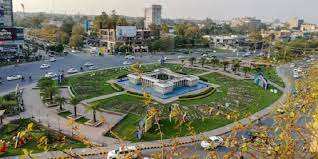
Gulberg, located in central Lahore, represents the city’s modern ambitions. Once a quiet residential neighborhood, it has evolved into a commercial and lifestyle hub over the last few decades. Today, Gulberg is a symbol of urban affluence and development. Its broad roads are lined with designer boutiques, upscale cafes, multinational offices, and sprawling shopping malls like the Emporium Mall and Packages Mall.
One of the defining features of Gulberg is MM Alam Road, named after a national war hero, which has become synonymous with Lahore’s cosmopolitan culture. Brimming with restaurants offering global cuisines and stylish rooftop lounges, it caters to a middle and upper-middle-class population that embraces modernity and convenience.
High-rise apartments and gated communities reflect a desire for organized, secure, and efficient urban living. The area also hosts some of Lahore’s top educational institutions, art galleries, fitness centers, and co-working spaces, reflecting a shift toward a more globalized lifestyle. Urban planners often point to Gulberg as a model of modern development, with its relatively better infrastructure and municipal services.
However, beneath the polished surface, Gulberg also reflects urban challenges: increasing traffic congestion, a growing environmental footprint, and rising socio-economic inequality. The sleek modernity of Gulberg often stands in stark contrast to the lives of workers who commute daily from less affluent areas to maintain this glossy urban dream.
The Living History of the Old City
In stark contrast, the Old City of Lahore—also known as Androon Shehr—is a living museum. Enclosed by the remnants of a Mughal-era wall and accessed through historic gates like Delhi Gate, Bhati Gate, and Roshnai Gate, the Old City is a place where time seems to stand still. Its streets are narrow and often chaotic, its buildings centuries old, but its cultural spirit remains vibrant.
The Old City is home to iconic landmarks such as the Badshahi Mosque, Lahore Fort, Wazir Khan Mosque, and Shahi Hammam, each telling tales of imperial grandeur and spiritual devotion. The bazaars—like Anarkali, Shah Alami, and Rang Mahal—are a sensory overload of colors, sounds, and smells. From hand-woven fabrics and antique jewelry to sizzling street food like pathooray, gol gappay, and payay, the area is teeming with life and heritage.
The urban layout here is organic, a result of centuries of habitation and evolution. Unlike the planned avenues of Gulberg, the Old City’s alleyways twist and turn unpredictably, often leading to hidden courtyards, Sufi shrines, or rooftop tea stalls with stunning views of the minarets.
But the Old City is also struggling. Overpopulation, lack of sanitation, and decaying infrastructure are persistent problems. Many heritage sites are in a state of neglect, and illegal constructions threaten the architectural integrity of the area. Yet, despite these challenges, the community spirit here is strong, and efforts by heritage organizations like the Aga Khan Trust for Culture are helping restore some of its historical charm.
Contrasting Lifestyles and Urban Priorities
The lifestyles in Gulberg and the Old City differ vastly, shaped by geography, history, and socio-economic realities. In Gulberg, life moves fast, often dictated by professional deadlines, social media, and the latest trends. People spend their evenings in cafés or gyms, and the streets are quiet by midnight. In contrast, the Old City pulses with a more communal rhythm. Neighbors gather in the evenings to share meals or tea, shopkeepers know their customers by name, and festivals like Eid, Basant, and Muharram are celebrated with traditional fervor.
These contrasting lifestyles also reflect different urban priorities. Gulberg emphasizes private space, security, and modern amenities, while the Old City values community, continuity, and historical identity. Both are valid but often feel worlds apart in how they shape everyday experiences.
Urban Development and the Question of Inclusion
The development of Gulberg has often been cited as a success story, but it also raises questions about inclusive urban planning. As investment pours into affluent neighborhoods, areas like the Old City are frequently left behind. Infrastructure improvements, public services, and even basic amenities are distributed unevenly across the city.
The gentrification of certain parts of the Old City, such as the food street near Fort Road, has brought in tourism and some restoration projects. However, it has also led to the displacement of lower-income residents and altered the social fabric of the area. Urban development in Lahore must therefore grapple with the challenge of balancing modernization with heritage conservation and social equity.
Bridging the Divide
Despite their contrasts, Gulberg and the Old City are not entirely disconnected. Increasingly, there are efforts to bridge this urban divide. Initiatives like guided heritage tours, street art festivals, and cultural preservation projects are encouraging younger generations from across Lahore to engage with their city’s history. Similarly, artists and entrepreneurs from the Old City are finding platforms in Gulberg’s galleries and markets, showcasing crafts, food, and music that harken back to Lahore’s rich traditions.
There is also a growing recognition among planners and civic activists that the future of Lahore depends on integrating its many identities rather than choosing one over the other. Smart urban policy should aim to preserve the Old City’s character while upgrading its infrastructure, just as it should regulate expansion in areas like Gulberg to ensure sustainability and inclusivity.







Post Comment