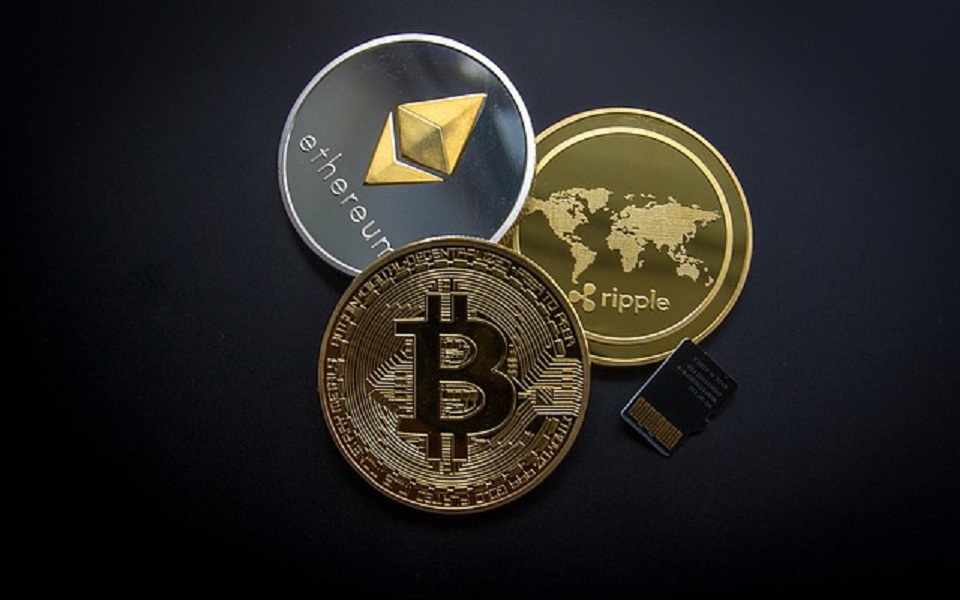
How DAOs Use Custom Tokens to Drive Decentralized Governance
In the rapidly evolving world of blockchain technology, Decentralized Autonomous Organizations (DAOs) have emerged as a key innovation in how we think about governance. Traditionally, organizations have been controlled by centralized entities, whether it’s a board of directors, a CEO, or a single powerful entity. However, DAOs introduce a paradigm shift by allowing decision-making to be distributed across all participants in a transparent and automated manner. At the core of this system are custom tokens, which are not just a medium of exchange but a powerful tool that drives the governance and decision-making processes within DAOs.
In this article, we’ll explore how DAOs utilize custom tokens to enable decentralized governance, why they are critical for DAOs to function effectively, and the role of crypto token development services in helping to build these tokens. By the end, you’ll have a deeper understanding of how token development companies are helping to shape the future of governance through the creation of customized tokens.
What is a DAO?
A Decentralized Autonomous Organization (DAO) is a type of organization that operates without a central authority. Instead of a single entity or individual making decisions, a DAO relies on a community of participants who collectively make decisions through a transparent and immutable process, usually powered by blockchain technology. The primary goal of a DAO is to eliminate intermediaries, increase transparency, and democratize decision-making.
DAOs can be used in a variety of industries, from finance to governance, entertainment, and beyond. However, one of the key challenges for DAOs is ensuring that the decision-making process is fair, transparent, and representative of the community’s interests. This is where custom tokens come into play.
The Role of Custom Tokens in DAO Governance
Custom tokens serve as the backbone of a DAO’s governance model. These tokens are typically created through crypto token development services and act as a means for participants to engage with the DAO. Custom tokens are more than just a currency—they are the tools that give holders the ability to vote, propose changes, and participate in the overall governance of the DAO.
1. Voting Rights and Power Distribution
In a DAO, decisions are often made through a voting process. However, voting within a DAO is typically not one person, one vote. Instead, voting power is often proportional to the number of custom tokens a participant holds. This mechanism allows participants with a vested interest in the project to have more influence over decisions.
For example, if a member of a DAO holds 1,000 tokens, they may have more voting power than someone who only holds 100 tokens. This model is similar to how shareholders in a company vote on corporate decisions based on the number of shares they hold. However, in the case of DAOs, token holders often vote on proposals such as funding allocations, protocol upgrades, or the direction of the project, and the process is governed by the code running on the blockchain.
Custom tokens are designed to be the unit of power in a DAO. Through these tokens, members can participate in discussions and votes, ensuring that governance is decentralized and not controlled by any one entity. This form of governance is transparent and auditable, as every decision made is recorded on the blockchain.
2. Proposal Mechanisms
In addition to voting, tokens can also be used to submit proposals within a DAO. Typically, any member who holds a certain number of tokens can submit a proposal, whether it’s to allocate funds, modify the protocol, or take any action that would affect the direction of the DAO.
The proposal mechanism ensures that those who are most invested in the DAO (in terms of tokens) have the power to initiate changes. This encourages active participation and ensures that the DAO remains dynamic, with regular input from its members. The custom tokens are used to signal support for proposals, and the outcome is determined through a voting process that relies on token ownership.
3. Incentivizing Participation
Custom tokens in DAOs also help to incentivize participation. By holding tokens, members of the DAO are financially motivated to actively contribute to the organization’s governance. In many DAOs, members can earn rewards or dividends based on their contributions to the project, such as voting on proposals or providing valuable feedback. This incentivization ensures that DAOs are self-sustaining and that members have a vested interest in the success of the organization.
The combination of governance power and financial incentives creates a system in which members are motivated to participate in the ongoing development and success of the DAO. Token-based rewards can take many forms, from transaction fees to a share of profits or even future tokens that are distributed as part of the DAO’s treasury.
Why Custom Tokens Are Essential for DAOs
Custom tokens are not just a tool for managing governance; they are essential for DAOs to function effectively. Without custom tokens, there would be no way to fairly distribute voting power or incentivize participation. Moreover, tokens are integral to maintaining the decentralized nature of DAOs.
-
Decentralization of Power: By using custom tokens, DAOs distribute power among a diverse set of participants rather than centralizing control in the hands of a few decision-makers. This ensures that no single entity can unilaterally control the DAO’s direction, which is essential for the principles of decentralization.
-
Transparency: Since blockchain transactions are transparent and immutable, every vote, proposal, and decision made within a DAO is fully traceable. Custom tokens ensure that the process is transparent and auditable, so members can trust that decisions are being made fairly.
-
Security: Custom tokens allow DAOs to implement secure and automated governance processes. Since DAOs rely on smart contracts—self-executing contracts with the terms directly written into code—decisions are carried out automatically once certain conditions are met. This eliminates human error and reduces the potential for manipulation.
-
Autonomy: By using custom tokens, DAOs can function without the need for intermediaries. This means that decisions are made by the community, for the community, and are executed in a way that’s automated and does not require third-party intervention.
The Role of Crypto Token Development Services
To launch a DAO, custom tokens need to be created, and this is where crypto token development services come in. These services specialize in creating the tokens that power DAOs. Whether you want to create a fungible token (like ERC-20) or a non-fungible token (like ERC-721), a token development company can help you design, develop, and deploy a token that meets the unique needs of your DAO.
These services provide expertise in blockchain protocols, smart contract development, and tokenomics (the study of the economics of tokens). The token development company works with the DAO to understand its needs, determine how the token will be used, and ensure that it aligns with the broader goals of the organization.
Key aspects of token development services include:
-
Custom Token Creation: Developing a token that aligns with the DAO’s goals, whether it’s for governance, incentives, or something else.
-
Smart Contract Development: Writing and deploying the smart contracts that power the DAO’s governance, including voting mechanisms, proposal submissions, and distribution of rewards.
-
Security Audits: Ensuring that the smart contracts and tokens are secure and free from vulnerabilities.
-
Tokenomics Design: Creating an economic model that ensures the long-term success and sustainability of the DAO.
Conclusion
Custom tokens are the foundation of decentralized governance within DAOs. They provide a means for members to vote on proposals, submit ideas, and participate in the decision-making process in a transparent and secure manner. By leveraging the power of blockchain technology, DAOs can distribute power, eliminate intermediaries, and foster a more democratic form of organizational governance.
For those looking to launch their own DAO, working with a token development company and utilizing crypto token development services is a crucial step. These services help create the custom tokens that drive the DAO’s operations and governance, ensuring that it remains decentralized, transparent, and secure.
As DAOs continue to grow in prominence, the role of custom tokens in driving decentralized governance will only become more important. Whether you’re an entrepreneur, developer, or enthusiast, understanding how DAOs use tokens to enable governance is key to navigating the future of decentralized organizations.








Post Comment