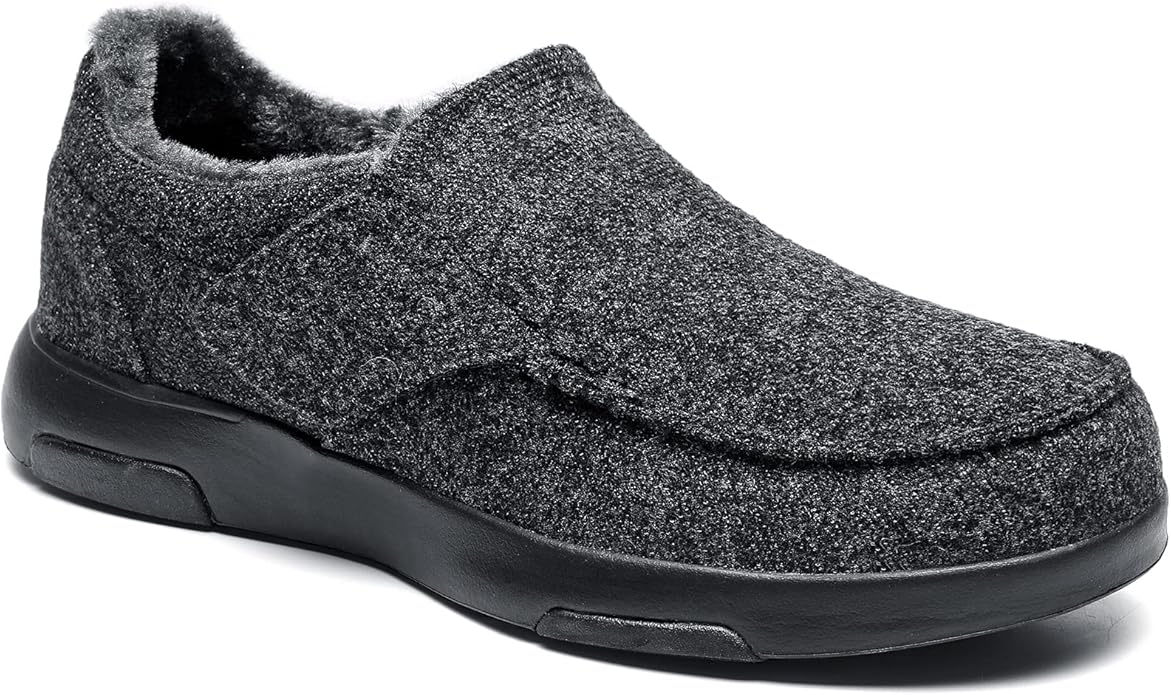
Best Orthopedic Shoes for Comfort & Support: A Complete Guide
When it comes to maintaining overall health, our feet are the unsung heroes of our body. They carry us through life’s daily adventures, but they often bear the brunt of neglect. Whether you’re standing for long hours, walking on uneven terrain, or managing chronic foot conditions, the right footwear can make all the difference. This is where orthopedic shoes come into play. Designed with comfort and support in mind, orthopedic shoes are a must-have for anyone seeking to alleviate pain, improve posture, and enhance mobility.
In this comprehensive guide, we’ll explore the best orthopedic shoes available, their benefits, how to choose the right pair, and why they are essential for maintaining foot health. If you’re ready to invest in your well-being, check out Dr. Kelkar Hospital’s Best Orthopedic Shoes collection for expertly curated options tailored to your needs.
What Are Orthopedic Shoes?
Orthopedic shoes are specially designed footwear crafted to provide maximum comfort, support, and alignment for the feet. Unlike regular shoes, orthopedic shoes are engineered with features like arch support, cushioned insoles, shock absorption, and adjustable fittings. These features ensure proper weight distribution, reduce strain on joints, and alleviate pain caused by various foot conditions.
The primary goal of orthopedic shoes is to address specific foot problems while promoting overall foot health. They are ideal for individuals dealing with plantar fasciitis, flat feet, bunions, arthritis, diabetic neuropathy, and other foot-related issues. However, even those without existing conditions can benefit from wearing orthopedic shoes as a preventive measure.
Why Choose Orthopedic Shoes?
Orthopedic shoes offer numerous advantages that go beyond just comfort. Here are some compelling reasons to consider making the switch:
-
Pain Relief : Orthopedic shoes are specifically designed to ease pain caused by conditions like plantar fasciitis, heel spurs, and arthritis. The added cushioning and arch support help reduce pressure on sensitive areas.
-
Improved Posture : Poorly fitting shoes can lead to misalignment of the spine and joints, resulting in poor posture. Orthopedic shoes promote proper alignment by supporting the natural curve of your feet.
-
Enhanced Mobility : With their superior cushioning and stability, orthopedic shoes make it easier to stay active throughout the day. This is particularly beneficial for people who spend long hours on their feet or are recovering from injuries.
-
Customizable Fit : Many orthopedic shoes come with removable insoles, allowing users to insert custom orthotics prescribed by podiatrists. This ensures a personalized fit tailored to individual needs.
-
Prevention of Future Issues : Wearing supportive shoes can prevent common foot problems such as bunions, corns, calluses, and hammertoes. Orthopedic shoes also reduce the risk of developing more serious conditions over time.
Who Can Benefit from Orthopedic Shoes?
Orthopedic shoes are not just for individuals with existing foot conditions—they cater to a wide range of people who prioritize comfort and foot health. Here’s who can benefit:
-
People with Chronic Foot Pain : If you suffer from persistent pain due to conditions like flat feet, plantar fasciitis, or diabetic neuropathy, orthopedic shoes can provide much-needed relief.
-
Professionals Who Spend Hours on Their Feet : Nurses, teachers, retail workers, and other professionals who stand or walk for extended periods will appreciate the added support and comfort of orthopedic shoes.
-
Athletes and Fitness Enthusiasts : Proper foot alignment is crucial for athletic performance and injury prevention. Orthopedic sports shoes enhance stability and reduce the risk of sprains or strains.
-
Older Adults : As we age, our feet lose padding and elasticity, making them more prone to pain and discomfort. Orthopedic shoes offer cushioning and stability for older adults.
-
Individuals Recovering from Surgery or Injury : Post-surgical recovery requires careful attention to foot health. Orthopedic shoes aid rehabilitation by minimizing stress on injured areas.
Top Features to Look for in Orthopedic Shoes
Choosing the right orthopedic shoes can be overwhelming, especially with so many options available. To simplify the process, here are the top features to look for:
-
Arch Support : Proper arch support is essential for maintaining balance and reducing strain on your feet. Look for shoes with built-in arch support or removable insoles for customization.
-
Cushioning and Shock Absorption : High-quality cushioning in the sole and heel area absorbs impact and reduces fatigue, making them ideal for prolonged use.
-
Breathable Materials : Shoes made from breathable materials like leather or mesh allow air circulation, keeping your feet cool and dry throughout the day.
-
Adjustable Fittings : Look for shoes with adjustable straps, laces, or Velcro closures. These features enable you to customize the fit according to your preference.
-
Wide Toe Box : A roomy toe box prevents crowding and reduces the risk of developing bunions, corns, or hammertoes.
-
Lightweight Design : Orthopedic shoes should be lightweight to ensure ease of movement without adding unnecessary bulk.
For a trusted source of high-quality orthopedic shoes, visit Dr. Kelkar Hospital’s Best Orthopedic Shoes page . Their selection caters to diverse needs and preferences, ensuring you find the perfect fit.
Common Myths About Orthopedic Shoes
Despite their numerous benefits, orthopedic shoes are sometimes misunderstood. Let’s debunk some common myths:
-
Myth #1: Orthopedic Shoes Are Unattractive
Modern orthopedic shoes combine functionality with style. Many brands now offer trendy designs that look just as good as conventional shoes. -
Myth #2: Only Older Adults Need Them
While older adults often benefit from orthopedic shoes, they are suitable for people of all ages, including young adults and children with specific foot concerns. -
Myth #3: They’re Expensive
While orthopedic shoes may cost slightly more than regular footwear, their durability and health benefits make them a worthwhile investment in the long run.
How to Care for Your Orthopedic Shoes
To maximize the lifespan and effectiveness of your orthopedic shoes, follow these tips:
-
Rotate Pairs : Avoid wearing the same pair every day. Rotating between two or three pairs allows each shoe time to air out and recover its shape.
-
Clean Regularly : Use a soft brush or damp cloth to remove dirt and stains. Avoid harsh chemicals that could damage the material.
-
Replace Insoles : Over time, insoles lose their cushioning properties. Replace them periodically to maintain optimal support.
-
Store Properly : Keep your shoes in a cool, dry place away from direct sunlight to prevent warping or fading.
Final Thoughts
Investing in orthopedic shoes is one of the best decisions you can make for your foot health. Not only do these shoes alleviate pain and discomfort, but they also promote better posture, enhance mobility, and prevent future issues. Whether you’re managing a chronic condition or simply seeking everyday comfort, orthopedic shoes are a versatile solution.
If you’re ready to upgrade your footwear game, explore the extensive range of orthopedic shoes available at Dr. Kelkar Hospital . With expert guidance and top-notch products, they ensure your journey toward healthier feet starts on the right foot!
Remember, taking care of your feet today means enjoying a lifetime of pain-free movement tomorrow. So why wait? Step into comfort and style with orthopedic shoes designed just for you.






Post Comment