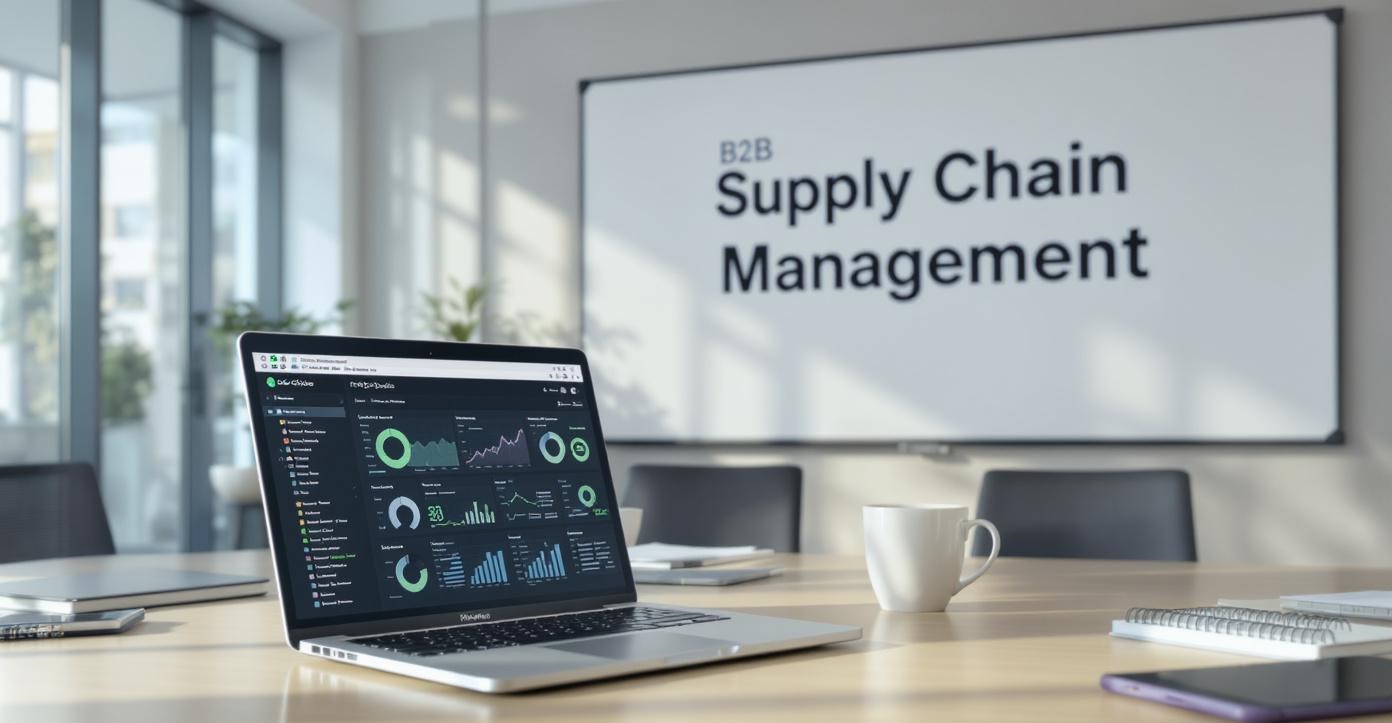
Key Strategies to Optimize B2B Supply Chain Management
In today’s competitive business environment, businesses cannot afford inefficiencies in their supply chain operations. Effective b2b supply chain management is essential to ensure products, information, and services move smoothly between suppliers, partners, and customers. Optimizing these processes not only reduces operational costs but also enhances customer satisfaction and overall business performance. Companies that implement strategic optimization gain a significant advantage in speed, reliability, and responsiveness.
Conducting a Comprehensive Supply Chain Audit
The first step in optimizing a B2B supply chain is conducting a thorough audit. This involves mapping out all processes, evaluating supplier performance, identifying bottlenecks, and assessing inventory management practices. By gaining a clear understanding of the current operational landscape, businesses can pinpoint areas that need improvement and create a roadmap for effective optimization. Regular audits ensure processes remain efficient as the market and business demands evolve.
Implementing Process Automation
Automation is a cornerstone of optimized supply chains. Automated inventory management, order processing, and logistics scheduling reduce human errors and accelerate operations. Enterprise Resource Planning (ERP) systems and Supply Chain Management (SCM) software integrate these processes, providing real-time visibility into stock levels, supplier performance, and order statuses. Automation not only increases efficiency but also allows staff to focus on strategic activities that drive growth.
Strengthening Supplier Relationships
Strong supplier relationships are key to a smooth, optimized supply chain. Businesses should collaborate with suppliers to improve lead times, enhance product quality, and reduce costs. Establishing clear communication channels, performance metrics, and regular feedback ensures that suppliers align with the company’s operational goals. Diversifying suppliers is also crucial to reduce dependency on a single source and mitigate potential risks from disruptions.
Leveraging Data and Analytics
Data-driven decision-making is essential for supply chain optimization. By analyzing historical sales, procurement trends, and supplier performance, businesses can forecast demand accurately and reduce excess inventory. Predictive analytics allows companies to anticipate market shifts, adjust production schedules, and optimize inventory allocation. Advanced analytics tools also help identify inefficiencies, streamline workflows, and support strategic planning.
Inventory Management Optimization
Effective inventory management is critical to minimizing costs and meeting customer demand. Companies should implement strategies such as just-in-time (JIT) inventory, safety stock planning, and automated replenishment. By integrating real-time data from warehouses and suppliers, businesses can maintain optimal stock levels, prevent overstocking or stockouts, and reduce storage costs. Optimized inventory ensures the right products are available at the right time, improving service levels.
Transportation and Logistics Efficiency
Transportation and logistics play a vital role in overall supply chain performance. Route optimization software, advanced tracking systems, and collaboration with reliable logistics partners help minimize delivery times and reduce costs. Companies may also leverage third-party logistics (3PL) providers to scale operations efficiently. Real-time shipment tracking enhances transparency, builds customer trust, and ensures timely delivery across the supply chain network.
Embracing Technology for Smart Operations
Modern supply chain optimization relies heavily on technology. Artificial intelligence (AI), machine learning, and Internet of Things (IoT) devices provide real-time insights into operations. AI algorithms predict demand fluctuations, optimize routes, and identify potential disruptions, while IoT-enabled sensors monitor inventory conditions and logistics performance. These technologies enable companies to make informed, proactive decisions and maintain supply chain resilience.
Enhancing Collaboration Across Teams
Cross-functional collaboration is essential for supply chain optimization. Departments such as procurement, production, sales, and logistics must work closely to ensure alignment and smooth workflows. Collaborative planning, forecasting, and replenishment (CPFR) initiatives enable data sharing with suppliers and partners, reducing miscommunication and minimizing delays. A well-coordinated network enhances efficiency and strengthens relationships throughout the supply chain ecosystem.
Risk Management Strategies
Effective risk management is an integral part of an optimized supply chain. Businesses must identify potential risks, including supplier disruptions, transportation delays, or geopolitical challenges, and develop contingency plans. Diversifying suppliers, maintaining safety stock, and using predictive analytics tools allow companies to mitigate risks proactively. A resilient supply chain ensures continuity and protects the organization from costly interruptions.
Sustainability in Supply Chain Optimization
Sustainable practices contribute to both operational efficiency and environmental responsibility. Companies can reduce waste, optimize energy use, and implement eco-friendly transportation strategies to create greener supply chains. For example, route optimization reduces fuel consumption, and accurate inventory planning minimizes overproduction. Incorporating sustainability into supply chain strategies enhances brand reputation while achieving cost savings.
Employee Training and Change Management
An optimized supply chain requires skilled employees who can effectively use new tools and technologies. Training programs focused on ERP, SCM, automation, and analytics ensure staff can manage processes efficiently. Change management strategies help teams adapt to new workflows and embrace continuous improvement. A knowledgeable workforce supports operational excellence and maximizes the value of technology investments.
Monitoring Key Performance Indicators (KPIs)
Performance measurement is essential for maintaining supply chain efficiency. Businesses should track KPIs such as order fulfillment rates, lead times, inventory turnover, and supplier performance. Real-time dashboards and analytics platforms enable managers to detect inefficiencies, monitor progress, and implement corrective actions promptly. Continuous monitoring ensures the supply chain remains agile and capable of meeting evolving business requirements.
Driving Long-Term Competitive Advantage
Optimizing B2B supply chains delivers long-term benefits, including reduced operational costs, faster response times, and improved customer satisfaction. By integrating technology, enhancing collaboration, and implementing data-driven strategies, companies position themselves for sustainable growth. Optimized supply chains allow organizations to respond effectively to market changes, maintain resilience, and achieve a competitive edge in the B2B landscape.
About Us : Acceligize is a global B2B demand generation and technology marketing company helping brands connect with qualified audiences through data-driven strategies. Founded in 2016, it delivers end-to-end lead generation, content syndication, and account-based marketing solutions powered by technology, creativity, and compliance.







Post Comment