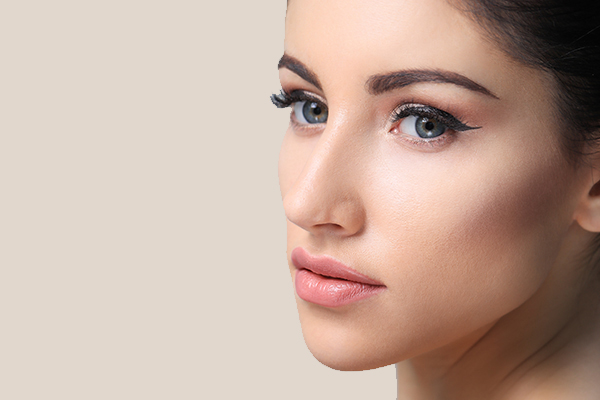
Fast Recovery Tips After Rhinoplasty for Lasting Beauty
Rhinoplasty is more than just a cosmetic procedure—it’s a journey toward enhanced facial harmony and lasting beauty. While the procedure itself is crucial, the recovery phase plays an equally important role in achieving the desired outcome. Proper care, patience, and smart lifestyle choices can make the difference between a smooth healing process and unnecessary complications. This guide provides Rhinoplasty In Dubai recovery tips that help you heal efficiently while maintaining the aesthetic results you desire.
Understanding the Recovery Process
Recovery after rhinoplasty is a gradual process that involves multiple stages. Initially, swelling and bruising are expected, especially around the nose and under the eyes. These symptoms peak within the first 48 to 72 hours and slowly subside over the next two weeks. Understanding the stages of recovery allows you to plan your activities and avoid habits that could hinder healing.
-
First week: Swelling, mild pain, and bruising are common. Keeping your head elevated and avoiding physical strain is essential.
-
Second week: Bruising begins to fade, and nasal congestion may decrease. Light activities can be resumed cautiously.
-
Weeks 3–4: Swelling continues to decrease, and you may notice subtle improvements in the nasal shape.
-
Weeks 5–6: Most patients resume regular activities, but the final shape continues to refine over several months.
By recognizing these stages, you can tailor your recovery routine to meet your body’s needs effectively.
Essential Tips for a Smooth Recovery
1. Prioritize Rest and Sleep
Quality rest is the cornerstone of a successful recovery. Sleep allows your body to repair tissues and reduces inflammation. For the first few weeks, it’s recommended to sleep with your head elevated using extra pillows or a wedge pillow. This position minimizes swelling and prevents fluid accumulation around the nasal area.
2. Apply Cold Compresses Strategically
Cold compresses are highly effective during the initial 48–72 hours after rhinoplasty. They help reduce swelling and alleviate discomfort. Avoid placing ice directly on the nose; instead, wrap it in a soft cloth and apply it gently to the cheeks and under-eye area. Short, frequent applications of 10–15 minutes are more effective than prolonged use.
3. Follow a Gentle Skincare Routine
The skin around your nose may become sensitive during recovery. Avoid harsh exfoliants or strong skincare products near the nasal area. Opt for gentle cleansing and moisturizing to maintain healthy skin without irritating the healing tissue.
4. Stay Hydrated and Eat Nutrient-Rich Foods
Hydration is crucial for tissue repair and overall well-being. Drinking plenty of water helps flush out toxins and supports skin health. A nutrient-rich diet packed with vitamins C, A, and zinc accelerates healing by promoting collagen production and reducing inflammation. Incorporate foods like leafy greens, citrus fruits, berries, lean proteins, and nuts into your daily meals.
5. Avoid Strenuous Activities
Engaging in intense physical activity too soon after rhinoplasty can compromise your results. Avoid exercises that increase blood pressure or risk trauma to the nose, including heavy lifting, running, or contact sports, for at least 4–6 weeks. Instead, focus on gentle walks or light stretching, which help maintain circulation without stressing the healing tissues.
6. Keep Your Nose Protected
Protecting your nose from accidental bumps is vital, especially in the early weeks. Avoid wearing glasses directly on the bridge if possible, and be cautious when navigating crowded spaces. Even minor trauma can cause swelling or misalignment, affecting the final results.

7. Minimize Sun Exposure
The nasal skin is highly sensitive after rhinoplasty, and excessive sun exposure can lead to discoloration or prolonged swelling. Apply a broad-spectrum sunscreen whenever you are outdoors and consider wearing a wide-brimmed hat for added protection.
8. Follow Gentle Breathing Practices
Post-rhinoplasty congestion may make breathing feel challenging. Avoid forceful blowing of the nose and practice gentle nasal breathing. Using a saline spray can help keep nasal passages moist, reduce irritation, and prevent infection.
Managing Swelling and Bruising
Swelling and bruising are normal but can be managed effectively. Besides cold compresses and head elevation, consider the following tips:
-
Compression garments: If advised, gentle facial or nasal taping may help reduce swelling.
-
Anti-inflammatory foods: Pineapple, turmeric, and ginger naturally reduce inflammation.
-
Patience: Swelling decreases gradually, and it may take several months to see the final shape of your nose.
Understanding that healing takes time reduces stress and promotes a positive recovery mindset.
Psychological Tips for a Smooth Recovery
Recovery is not just physical—it’s emotional too. Temporary changes in appearance, swelling, and bruising can impact self-esteem. Maintaining a positive outlook and practicing mindfulness techniques such as meditation, deep breathing, or journaling can help manage anxiety during the healing period.
1. Set Realistic Expectations
Recognize that the final results of rhinoplasty appear gradually. Avoid comparing yourself to others or expecting immediate perfection.
2. Stay Connected with Supportive People
Having friends or family members who understand your recovery journey can provide emotional reassurance and practical help during the initial weeks.
3. Engage in Light Distractions
Activities like reading, listening to music, or watching movies can keep your mind occupied and reduce focus on temporary discomfort or swelling.
Monitoring Your Progress
Keeping track of your healing process is essential. Take weekly photos under similar lighting conditions to observe changes over time. This visual record helps you notice gradual improvements and identify any unusual swelling or asymmetry that may need attention.
Warning Signs to Watch For
Although complications are rare, it’s important to be aware of red flags:
-
Severe or persistent pain unrelieved by rest or cold compresses
-
Unusual discharge or bleeding from the nose
-
Fever or signs of infection
-
Significant asymmetry that worsens over time
Prompt attention to these symptoms ensures that minor issues do not affect the final outcome.
Long-Term Care for Lasting Results
Even after the initial recovery period, certain habits support long-term beauty and nose health:
-
Sun protection: Continue applying sunscreen to prevent skin discoloration.
-
Avoid trauma: Be mindful of activities that could injure the nose.
-
Healthy lifestyle: Maintain a balanced diet, stay hydrated, and exercise moderately.
-
Regular check-ins: Periodic evaluations help track the progress and address minor concerns early.
Final Thoughts
Achieving lasting beauty after Rhinoplasty Dubai goes beyond the surgery itself. A combination of rest, nutrition, gentle care, and mindful practices ensures a smooth recovery and optimal results. By following these tips, you can minimize swelling, reduce bruising, and protect the delicate structures of your nose while enjoying the transformation confidently.
Recovery is a journey that requires patience, but the rewards—a refined appearance and improved self-confidence—are well worth the effort. Remember, your commitment to proper care directly influences the longevity and quality of your results, making each step in the healing process an investment in your lasting beauty.





Post Comment