The Essential Guide to Alligator Forceps in Surgery
In the precise world of surgical procedures, the right instrument can make all the difference. Among the most crucial tools in a surgeon’s kit is the forceps alligator. This uniquely designed instrument is essential for a variety of delicate tasks, from removing foreign objects to placing tiny components in intricate surgeries. Its distinct shape and function provide unparalleled control and access, making it indispensable in fields like otolaryngology (ENT), neurosurgery, and general surgery. Understanding its design, applications, and the importance of quality manufacturing is key for any medical professional seeking optimal patient outcomes.

Unpacking the Design of Alligator Forceps
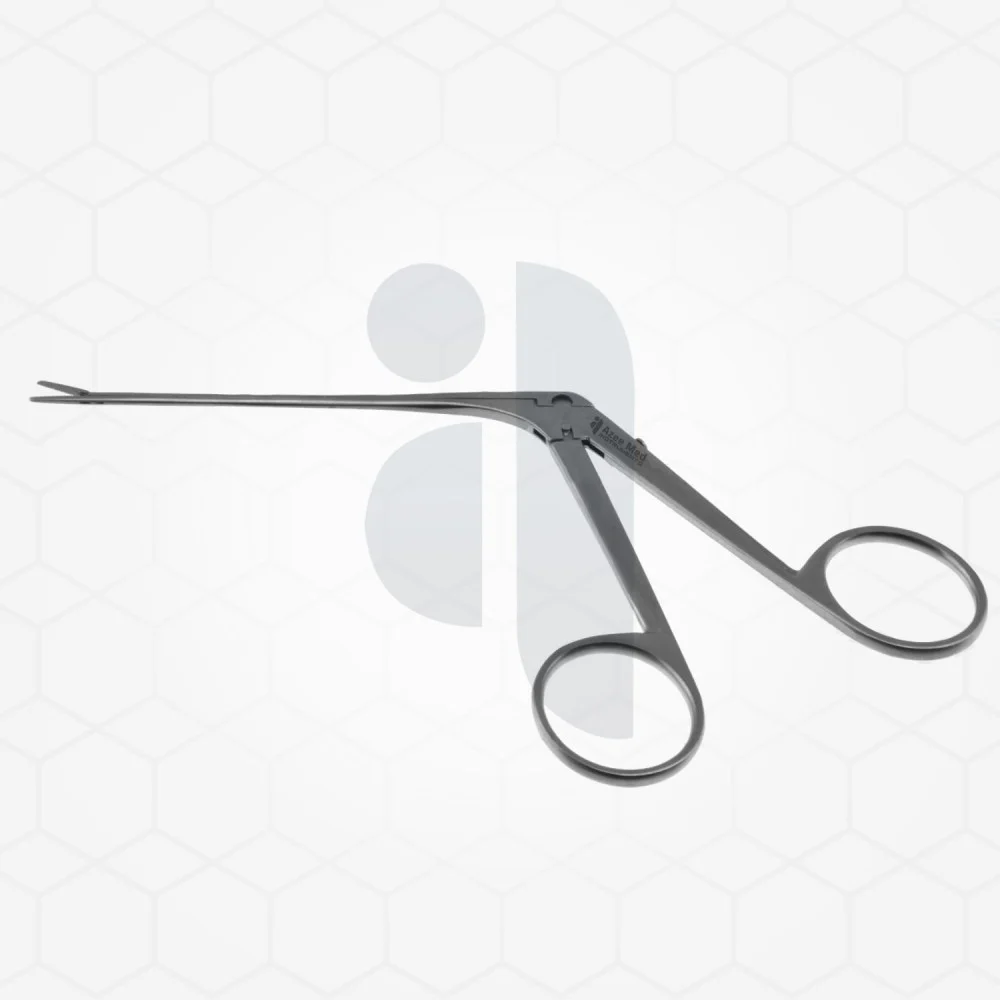
The name itself gives a clue to its appearance. The diamond jaws of the instrument resemble the snout of an alligator, with a long, thin shaft that allows surgeons to reach deep into narrow cavities with minimal tissue disruption. This design is not just for show; it is a masterclass in functional engineering. The shaft connects to a handle with a scissor-like grip, providing the surgeon with intuitive and precise control over the clamping motion of the jaws. This ergonomic setup reduces hand fatigue during long procedures and allows for steady, controlled manipulation. High-quality versions of this tool, like those from Azeemed Instruments®, are crafted from surgical-grade stainless steel to ensure durability, corrosion resistance, and the ability to withstand repeated sterilization cycles without degradation.
Critical Applications in Medical Specialties
While versatile, the forceps alligator truly shines in specialties requiring high precision in confined spaces. In ENT procedures, surgeons use it to grasp and remove foreign bodies from the ear canal or nasal passages. The slender design allows them to navigate these delicate areas without causing additional trauma to the surrounding tissues. Similarly, in neurosurgery, these forceps are used to handle tiny fragments of bone or tissue near the spinal cord or brain. The precise grip ensures that sensitive neural structures are not compromised during the procedure. The instrument’s utility extends to veterinary medicine as well, where it serves a similar purpose in treating animals.
Why Quality Manufacturing Matters
When dealing with patient safety, the quality of surgical instruments is non-negotiable. A poorly made forceps alligator can have serious consequences. Inferior materials may rust or break, posing a risk of infection or leaving fragments inside the patient. Inconsistent jaw alignment can lead to a weak grip, causing the surgeon to lose hold of an object at a critical moment. This is why trusted manufacturers are vital. Azeemed Instruments® is dedicated to providing high-quality surgical tools that meet the rigorous standards of medical professionals. Their commitment ensures that every instrument, including the essential forceps alligator, performs reliably and safely, procedure after procedure.
Proper Care and Sterilization
To maintain the integrity and longevity of any surgical tool, proper care is essential. After each use, the forceps alligator must be thoroughly cleaned to remove all biological debris. This is followed by a rigorous sterilization process, typically involving an autoclave, which uses high-pressure steam to kill all microorganisms. Adhering to strict sterilization protocols is fundamental to preventing cross-contamination and surgical site infections. Regular inspection for any signs of wear, damage, or corrosion is also a critical step in instrument maintenance, ensuring that only tools in perfect working condition are used in the operating room. This diligence upholds the standards of patient care and safety that define the medical profession.








Post Comment